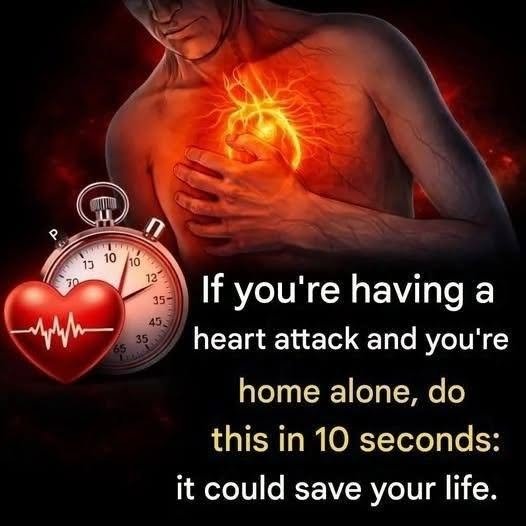
When viral health myths or clickbait videos claim that you can survive a heart attack at home by performing “cough CPR” or slamming your chest in 10 seconds, they are spreading a dangerous falsehood.
The most famous version of this myth claims that coughing violently and repeatedly during a heart attack will squeeze the heart and restore normal rhythm. Medical authorities, including the American Heart Association (AHA), have repeatedly debunked this: “cough CPR” does not work during a true cardiac arrest and can actually delay life-saving emergency care.
An evidence-based look at what a heart attack actually is, why these viral hacks fail, and what you should do in the critical first minutes provides life-saving clarity.
Why the “10-Second Cough” Trick Fails
A heart attack (myocardial infarction) occurs when a coronary artery becomes blocked, cutting off blood flow to a portion of the heart muscle. While dangerous arrhythmias can develop, the heart is typically still beating. Coughing requires conscious, coordinated effort and specific chest pressures that cannot restart a failing heart or unblock an artery. Relying on a fake internet trick while experiencing a heart attack wastes precious time when every second counts.
The Real 10-Second Action Plan: What to Do Instead
If you or someone at home experiences sudden, crushing chest pain, shortness of breath, pain radiating down the arm or jaw, or sudden cold sweats, execute these real, evidence-based steps immediately:
Recognizing the True Signs of a Heart Attack
Knowing the symptoms ensures you act fast without falling for online distractions. Common signs include:
-
Uncomfortable pressure, fullness, squeezing, or pain in the center of the chest lasting more than a few minutes.
-
Pain or discomfort spreading to one or both arms, the back, neck, jaw, or stomach.
-
Sudden shortness of breath, often accompanied by cold sweats, lightheadedness, or sudden nausea.
