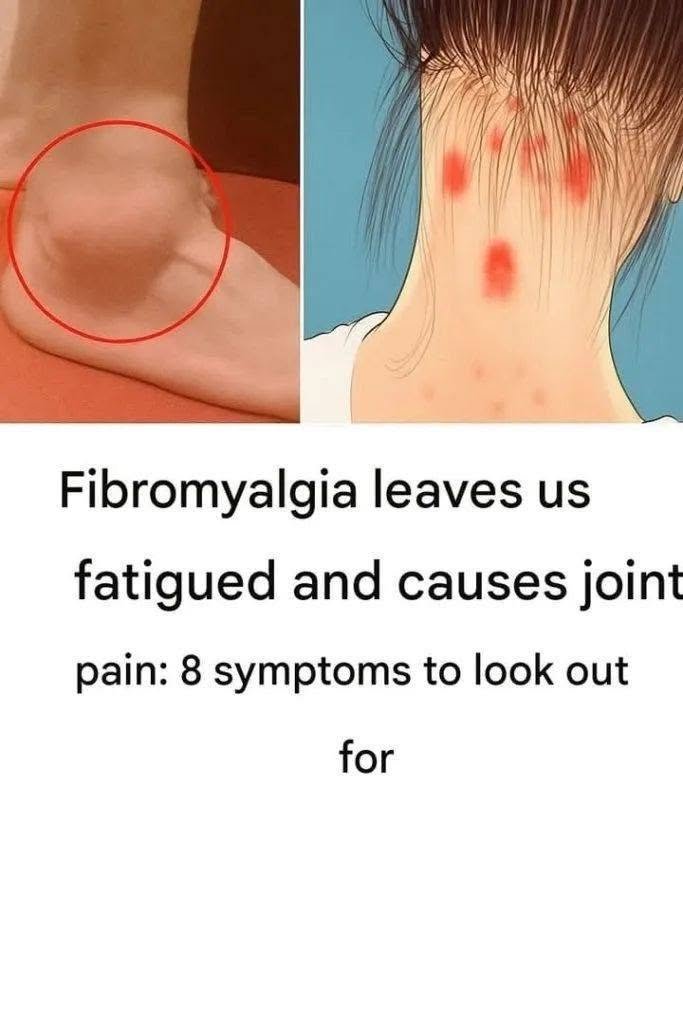
When sensational health articles and wellness blogs proclaim that “Fibromyalgia: The Disease of Unexpressed Emotions,” they reduce a complex, debilitating chronic pain disorder into a simplistic psychological metaphor.
The underlying medical and rheumatological reality is far more rigorous: fibromyalgia is a recognized, legitimate neurological and central nervous system disorder characterized by abnormal pain processing, not a physical manifestation of bottled-up feelings or emotional repression. While psychological stress, trauma, and emotional states can significantly influence pain perception and symptom flare-ups (as they do with virtually all chronic medical conditions), framing fibromyalgia as a “disease of unexpressed emotions” is scientifically inaccurate, stigmatizing, and dismissive of actual physiological pathology.
An evidence-based look at what fibromyalgia actually is helps separate psychological victim-blaming from modern pain science.
What Fibromyalgia Actually Is (The Neurological Reality)
Decades of neuroimaging, biomarker research, and clinical studies have established that fibromyalgia is fundamentally a disorder of central sensitization:
-
Amplified Pain Signaling: In individuals with fibromyalgia, the central nervous system (the brain and spinal cord) processes pain signals abnormally. Chemical signals in the brain that transmit pain (like substance P and glutamate) are elevated, while inhibitory pain-suppressing pathways are underactive.
-
Volume Control Turned Up: Essentially, the brain’s “volume control” for sensory input is permanently turned up. Normal touch, pressure, or temperature changes can be registered by the brain as widespread, severe pain.
-
Co-Occurring Symptoms: Beyond widespread musculoskeletal pain, patients experience hallmark physiological symptoms, including severe chronic fatigue, unrefreshing sleep, cognitive difficulties (“fibro fog”), and heightened sensitivity to light, sound, and touch.
The Real Role of Stress and Emotions (No Metaphor Required)
Why do wellness gurus so frequently attach emotional labels to fibromyalgia? Because there is a kernel of physiological truth that gets distorted:
-
The Stress-Pain Axis: Chronic psychological stress, anxiety, and past trauma activate the hypothalamic-pituitary-adrenal (HPA) axis and sympathetic nervous system. In a nervous system that is already sensitized, high stress levels can trigger or worsen pain flares.
-
Mind-Body Connection, Not Cause: Acknowledging that stress exacerbates symptoms is entirely different from claiming emotions cause the disease. Managing stress through cognitive behavioral therapy (CBT), pacing, mindfulness, and gentle movement is a vital part of comprehensive fibromyalgia treatment—not because it cures an “unexpressed emotion,” but because it helps calm an overactive nervous system.
Evidence-Based Management
Because fibromyalgia is a complex neurological condition, effective treatment requires an evidence-based, multi-disciplinary approach rather than emotional journaling:
-
Targeted Medications: Certain FDA-approved medications (such as specific neuromodulators like pregabalin or duloxetine) help calm overactive nerve signaling in the central nervous system.
-
Graded Aerobic and Strength Exercise: While counterintuitive when you are in pain, carefully paced, low-impact exercise (like swimming, walking, or cycling) is one of the most proven interventions for reducing fibromyalgia symptoms over time.
-
Sleep Hygiene: Prioritizing restorative sleep and addressing sleep disorders (like restless legs or apnea) dramatically improves pain thresholds.
-
Pacing and Lifestyle Adaptation: Learning to manage physical energy prevents the “boom-and-bust” cycle of overexertion followed by severe flare-ups.
The Takeaway
Ignore the reductive narrative that fibromyalgia is simply the price of “unexpressed emotions.” It is a real, measurable disorder of central nervous system processing. Recognizing its true physiological foundation empowers patients to seek proper medical validation, evidence-based therapies, and compassionate care rather than carrying the unfair burden of causing their own chronic illness.
