When sensationalized health articles hook you with the headline **”The Best Vitamin for Your Legs: What Dead Feet and Heavy Calves Are Missing,”** they are relying on dramatic, fear-inducing medical clickbait to convince you that a single, obscure nutrient is the secret cure for normal physical fatigue, soreness, or sluggish circulation. The underlying physiological and medical reality is far more grounded: **there is no single “magic vitamin” for your legs; sensations of heaviness, cramping, or “dead feet” are usually driven by biomechanical strain, prolonged standing, mild circulatory pooling, or nerve compression—not a mysterious, isolated vitamin deficiency.** While proper nutrition (including B-vitamins, magnesium, and electrolytes) supports optimal nerve and muscle function, popping a single supplement will rarely solve structural or circulatory leg discomfort. An evidence-based look at what causes heavy calves and foot fatigue helps separate sensational internet health myths from practical care. — ### 1. Why Legs Feel “Heavy” or Tired When your calves feel like lead weights or your feet feel sluggish at the end of the day, it is typically a mechanical or circulatory issue rather than a chemical drought: * **Venous Sluggishness (Prolonged Standing or Sitting):** Your leg veins rely on the contraction of your calf muscles (the “calf muscle pump”) to push blood back up to your heart against gravity. If you sit or stand motionless for hours, blood and fluid can pool in your lower extremities, creating that heavy, achy sensation. * **Muscular Fatigue and Micro-Trauma:** Unaccustomed exertion, inadequate footwear, or lack of conditioning leaves muscle fibers mildly fatigued and tight. * **Nerve Compression:** Tight lower back muscles, poor spinal posture, or tight footwear can mildly impinge nerves traveling down the leg, leading to tingling or that “dead foot” feeling. — ### 2. The Actual Nutritional Players (Beyond the Clickbait Myth) While no single vitamin acts as a miracle fix, certain nutrients genuinely support lower-extremity neuromuscular health: * **Magnesium and Potassium:** These essential electrolytes regulate muscle contraction and relaxation. Deficiencies can trigger muscle spasms, but replenishing them works best through a balanced diet (leafy greens, nuts, bananas, whole grains) rather than megadoses. * **Vitamin B12:** Essential for nerve sheath maintenance. A true B12 deficiency can cause neuropathy, tingling, or numbness in the feet—though this typically presents with other systemic signs like fatigue or balance issues, and is easily diagnosed via routine blood work. * **Iron:** Crucial for oxygen transport. Low iron (anemia) causes widespread fatigue and heavy limbs because your muscles aren’t getting enough oxygen-rich blood, but taking iron without a confirmed deficiency is unhelpful and potentially harmful. — ### 3. Practical Ways to Relieve Heavy Legs and Foot Fatigue Instead of chasing a miracle vitamin supplement advertised online, you can address heavy calves and tired feet with targeted physical habits: 1. **Elevate Your Legs:** Reverses gravity pooling in your veins. At the end of a long day, lie down and prop your legs up on pillows so they are elevated slightly above the level of your heart for 15 to 20 minutes. This instantly helps drain pooled blood and relieves heavy calves. 2. **Movement and Stretching:** Activates the calf muscle pump. If your job requires prolonged sitting or standing, take short walking breaks every hour and perform seated ankle rolls and calf stretches to keep blood circulating efficiently. 3. **Stay Hydrated and Balanced:** Ensures proper cellular hydration. Drink adequate water throughout the day and maintain a diet rich in whole foods, leafy greens, and lean proteins to support natural electrolyte balance. — ### The Takeaway Ignore the breathless clickbait searching for a single “best vitamin” to cure heavy calves and dead feet. While proper nutrition is vital for overall health, heavy legs are usually a mechanical and circulatory signal that you’ve been standing too long, sitting poorly, or overworking your muscles. Simple elevation, movement, and hydration will do more for your legs than any miracle supplement.

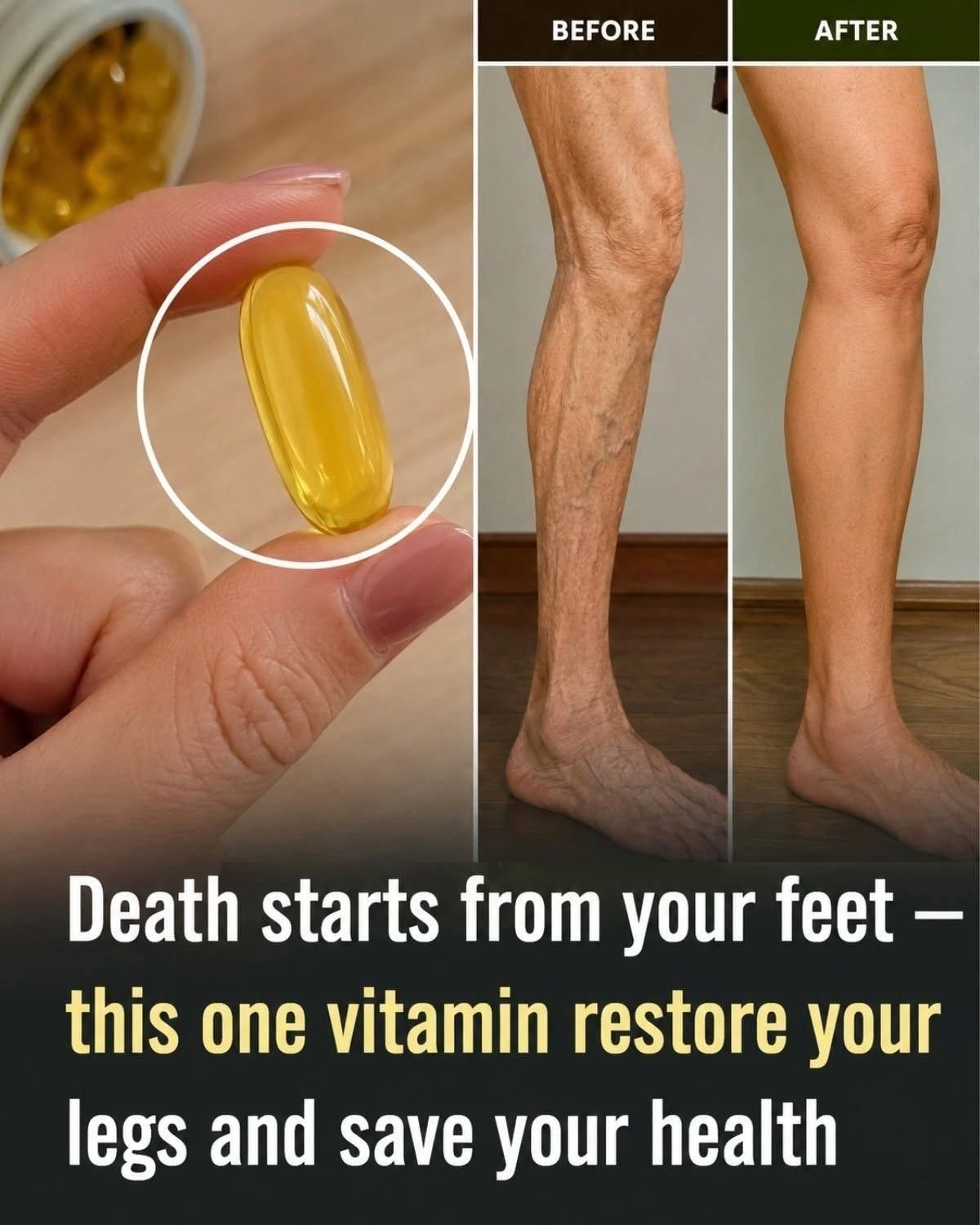
When sensationalized health articles hook you with the headline “The Best Vitamin for Your Legs: What Dead Feet and Heavy Calves Are Missing,” they are relying on dramatic, fear-inducing medical clickbait to convince you that a single, obscure nutrient is the secret cure for normal physical fatigue, soreness, or sluggish circulation.

The underlying physiological and medical reality is far more grounded: there is no single “magic vitamin” for your legs; sensations of heaviness, cramping, or “dead feet” are usually driven by biomechanical strain, prolonged standing, mild circulatory pooling, or nerve compression—not a mysterious, isolated vitamin deficiency. While proper nutrition (including B-vitamins, magnesium, and electrolytes) supports optimal nerve and muscle function, popping a single supplement will rarely solve structural or circulatory leg discomfort.
An evidence-based look at what causes heavy calves and foot fatigue helps separate sensational internet health myths from practical care.

1. Why Legs Feel “Heavy” or Tired

When your calves feel like lead weights or your feet feel sluggish at the end of the day, it is typically a mechanical or circulatory issue rather than a chemical drought:
  • Venous Sluggishness (Prolonged Standing or Sitting): Your leg veins rely on the contraction of your calf muscles (the “calf muscle pump”) to push blood back up to your heart against gravity. If you sit or stand motionless for hours, blood and fluid can pool in your lower extremities, creating that heavy, achy sensation.
  • Muscular Fatigue and Micro-Trauma: Unaccustomed exertion, inadequate footwear, or lack of conditioning leaves muscle fibers mildly fatigued and tight.
  • Nerve Compression: Tight lower back muscles, poor spinal posture, or tight footwear can mildly impinge nerves traveling down the leg, leading to tingling or that “dead foot” feeling.

2. The Actual Nutritional Players (Beyond the Clickbait Myth)

While no single vitamin acts as a miracle fix, certain nutrients genuinely support lower-extremity neuromuscular health:
  • Magnesium and Potassium: These essential electrolytes regulate muscle contraction and relaxation. Deficiencies can trigger muscle spasms, but replenishing them works best through a balanced diet (leafy greens, nuts, bananas, whole grains) rather than megadoses.
  • Vitamin B12: Essential for nerve sheath maintenance. A true B12 deficiency can cause neuropathy, tingling, or numbness in the feet—though this typically presents with other systemic signs like fatigue or balance issues, and is easily diagnosed via routine blood work.
  • Iron: Crucial for oxygen transport. Low iron (anemia) causes widespread fatigue and heavy limbs because your muscles aren’t getting enough oxygen-rich blood, but taking iron without a confirmed deficiency is unhelpful and potentially harmful.

3. Practical Ways to Relieve Heavy Legs and Foot Fatigue

Instead of chasing a miracle vitamin supplement advertised online, you can address heavy calves and tired feet with targeted physical habits:
1.Elevate Your Legs:Reverses gravity pooling in your veins.

At the end of a long day, lie down and prop your legs up on pillows so they are elevated slightly above the level of your heart for 15 to 20 minutes. This instantly helps drain pooled blood and relieves heavy calves.
2.Movement and Stretching:Activates the calf muscle pump.

If your job requires prolonged sitting or standing, take short walking breaks every hour and perform seated ankle rolls and calf stretches to keep blood circulating efficiently.
3.Stay Hydrated and Balanced:Ensures proper cellular hydration.

Drink adequate water throughout the day and maintain a diet rich in whole foods, leafy greens, and lean proteins to support natural electrolyte balance.

The Takeaway

Ignore the breathless clickbait searching for a single “best vitamin” to cure heavy calves and dead feet. While proper nutrition is vital for overall health, heavy legs are usually a mechanical and circulatory signal that you’ve been standing too long, sitting poorly, or overworking your muscles. Simple elevation, movement, and hydration will do more for your legs than any miracle supplement.

Leave a Comment