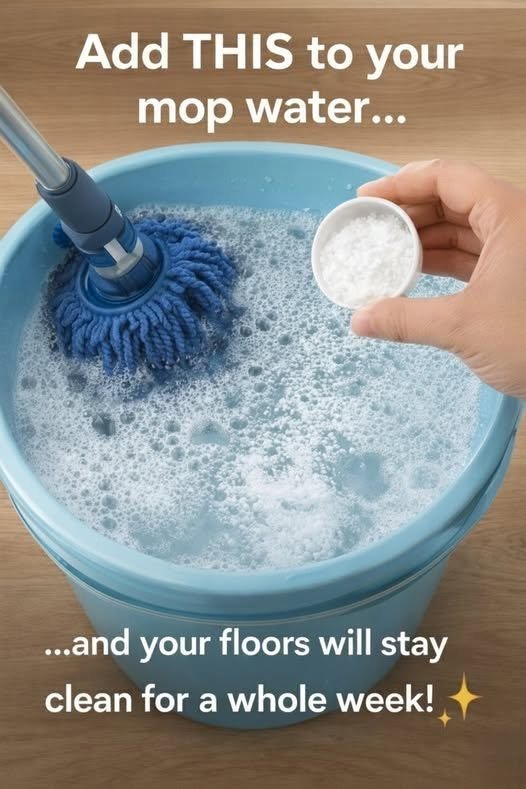
Headlines teasing a “floor trick” you have to try rely on classic clickbait curiosity loops, wrapping an ordinary household chore or basic cleaning hack in mysterious, breathless hype to trick you into clicking.
Whether the video or article turns out to be about using a damp mop, wrapping a microfiber cloth around a broom, or tossing a dryer sheet on the floor, the underlying tactic is always the same: manufacturing breathless wonder out of mundane domestic tasks. Understanding why these hooks work helps separate genuine utility from viral exaggeration.
Why “Floor Trick” Clickbait Captures Attention
Sensationalized lifestyle posts thrive on the promise of secret knowledge:
-
The “Secret Hack” Hook: By insisting the author was initially skeptical (“I didn’t believe it until I tried it”), the headline creates a personal endorsement and an irresistible mystery. It triggers your fear of missing out on an effortless shortcut.
-
Overhyping Ordinary Physics: These posts take standard cleaning principles—like friction, static electricity, or leveraging a flat surface—and rebrand them as mind-blowing life discoveries.
The Real Mechanics of Common Floor “Tricks”
Most viral floor hacks boil down to basic domestic science rather than revolutionary magic:
-
Microfiber Friction: Many “miracle” floor techniques rely on the simple electrostatic and capillary properties of microfiber pads, which trap dust and dirt more effectively than traditional cotton mops without needing harsh chemicals.
-
Targeted Spot Cleaning: Using specialized tools or positioning cleaning agents to dwell on a tough spot for a few minutes simply gives surfactants and solvents time to break down grease—no secret formula required.
The Bottom Line
Ignore the viral clickbait hyping up mysterious floor tricks. While clever cleaning tips can make chores easier, household maintenance is built on simple physics, the right tools, and routine upkeep—not secret hacks waiting to be unlocked by a click.
