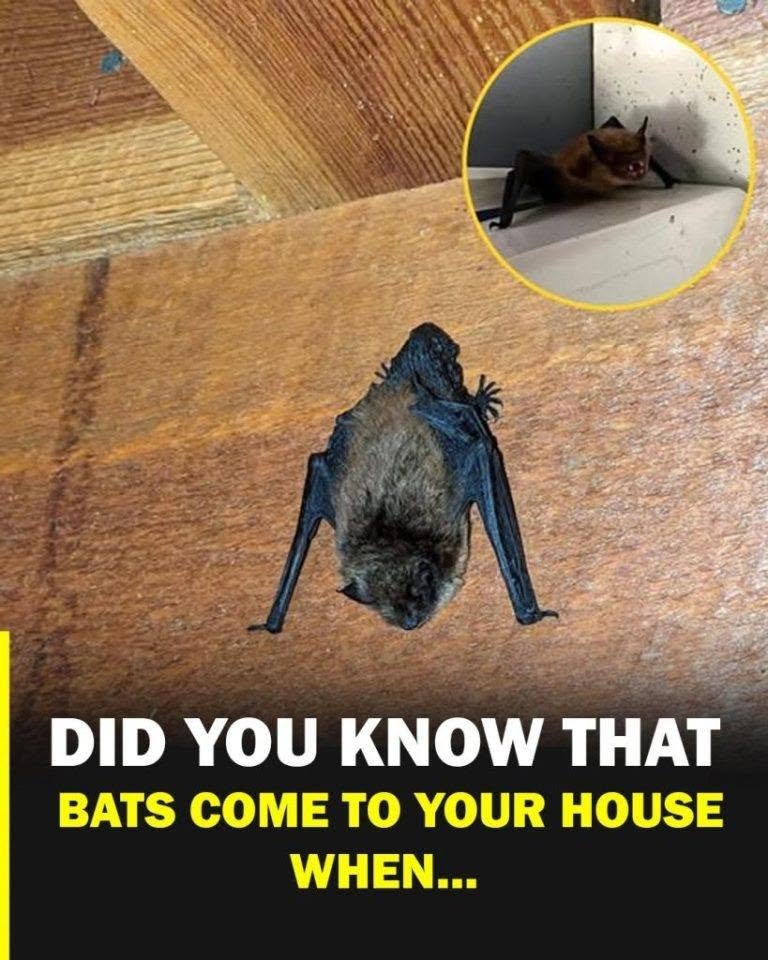
…you have open food sources, unsealed entry points, or brightly lit exterior areas that attract insects!
While popular myths suggest bats are drawn to homes by human activity or hair, they are actually opportunistic hunters following two simple incentives: food and shelter.
Why Bats Are Attracted to Specific Houses
-
Outdoor Lighting & Flying Insects: Bright porch lights, floodlights, or patio illumination attract swarms of moths, mosquitoes, and beetles. Microbats track these light sources directly to harvest easy insect meals near your roofline.
-
Open Unsealed Entry Points: Small gaps in fascia boards, unmeshed attic vents, loose shingles, or chimney openings emit warm air currents. Bats detect these warm drafts and use tiny openings (some as small as 1/2 inch) to enter attics or wall voids for roosting.
-
Standing Water Features: Uncovered birdbaths, open rain barrels, or stagnant garden ponds give bats a place to drink on the wing during dusk and dawn.
-
Overhanging Trees & Wooded Cover: Mature trees growing close to your roofline act as natural launching pads, shielding bats from predators as they navigate toward your soffits.
Key Signs a Bat Is Roosting Nearby
| Sign | What It Looks Like / Means |
| High-Pitched Squeaking | Audible chirping or scratching sounds coming from inside walls, attics, or behind shutters near sunset. |
| Guano Accumulation | Small, dark droppings beneath entry points or on windowsills. (Unlike rodent droppings, bat guano crumbles easily into shiny insect fragments). |
| Staining Near Gaps | Dark, oily rub marks around small exterior holes caused by natural oils in the bat’s fur. |
Safe and Humane Prevention Steps
-
Perform Dusk Observations: Stand outside your home 15 minutes before sunset and watch the roofline to identify exact exit points.
-
Seal Gaps Outside Maternity Season: Seal gaps larger than 1/4 inch using silicone caulk or heavy hardware cloth. Crucial: Avoid sealing entry points between late spring and mid-summer (maternity season) to prevent trapping flightless pups inside.
-
Use One-Way Exclusion Devices: Install one-way netting over active entry points so bats can leave at night to hunt but cannot re-enter.
-
Adjust Exterior Lighting: Switch bright white outdoor bulbs to yellow LED or motion-activated lights to reduce the surrounding insect population.
