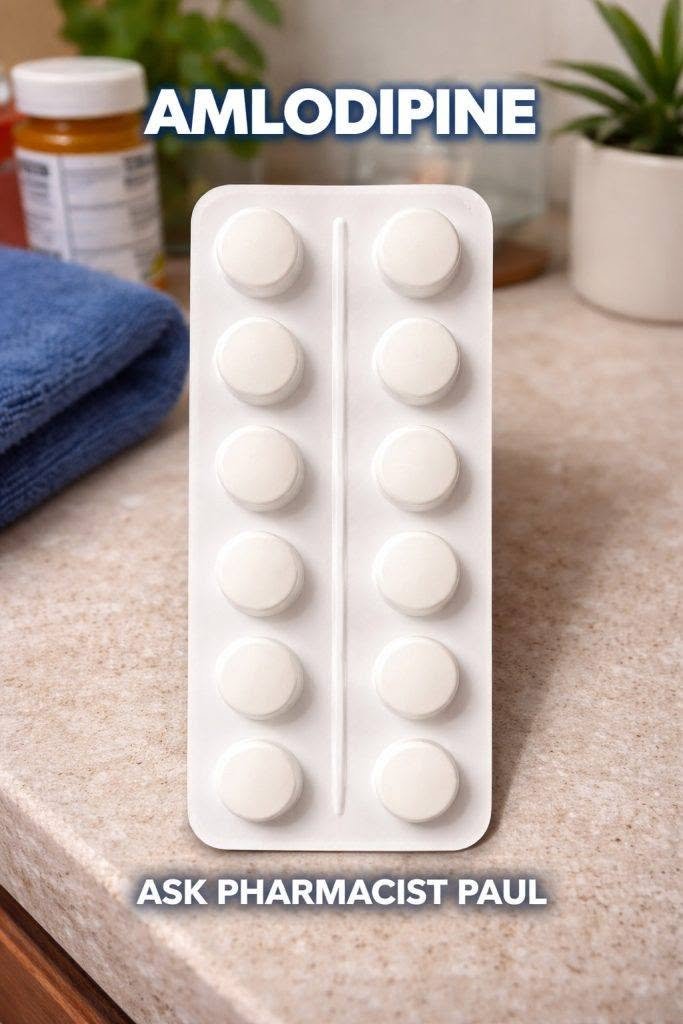
Amlodipine is a widely prescribed calcium channel blocker used to treat high blood pressure (hypertension) and angina. It works by relaxing blood vessels so blood flows more easily. However, certain everyday habits can interfere with how the medication is metabolized, trigger dangerous side effects, or counteract its blood-pressure-lowering effects.
8 Habits to Avoid While Taking Amlodipine
1. Consuming Grapefruit or Grapefruit Juice
-
Why Stop: Grapefruit contains compounds called furanocoumarins that inhibit the CYP3A4 enzyme in your liver—the enzyme responsible for breaking down Amlodipine. Blocked metabolism leads to dangerously high levels of the drug in your bloodstream, causing severe drops in blood pressure, dizziness, and extreme facial flushing.
2. Taking NSAID Pain Relievers Regularly
-
Why Stop: Frequent use of Non-Steroidal Anti-Inflammatory Drugs (like ibuprofen, naproxen, or high-dose aspirin) causes the body to retain sodium and fluid while constricting blood vessels. This directly opposes Amlodipine’s relaxing effect on blood vessels, spiking your blood pressure.
3. Standing Up Too Quickly
-
Why Stop: Amlodipine lowers systemic vascular resistance, which can impair your body’s natural reflex to adjust blood pressure when changing positions. Rapidly standing up can trigger orthostatic hypotension—a sudden drop in blood pressure that causes lightheadedness, faintness, or falls.
4. Neglecting Fluid Balance and Over-Elevating Legs for Swelling
-
Why Stop: Lower extremity swelling (peripheral edema in the ankles and feet) is one of the most common side effects of Amlodipine because it dilates arteries more than veins, causing fluid to pool. Ignoring fluid intake or failing to elevate your feet above heart level during rest allows fluid buildup to worsen, increasing discomfort and skin tightness.
5. Abruptly Stopping or Skipping Doses
-
Why Stop: Blood pressure medications work through steady systemic accumulation. Suddenly stopping Amlodipine can trigger rebound hypertension, where blood pressure spikes higher than before treatment, increasing the acute risk of stroke, heart attack, or severe chest pain.
6. Consuming Excess Alcohol
-
Why Stop: Alcohol acts as a vasodilator initially and can combine with Amlodipine to cause excessive blood pressure drops, resulting in severe dizziness, headaches, and fainting. Long-term heavy alcohol use also stiffens arteries and increases overall baseline blood pressure, neutralizing your treatment.
7. Relying on High-Sodium Foods
-
Why Stop: Excess dietary sodium forces the kidneys to retain water, increasing total blood volume and arterial pressure. A high-sodium diet actively fights against Amlodipine’s mechanism, requiring higher dosages or additional medications to achieve target readings.
8. Overusing Decongestants or High-Caffeine Energy Drinks
-
Why Stop: Over-the-counter nasal decongestants containing pseudoephedrine or phenylephrine, along with high-dose caffeine energy drinks, stimulate the sympathetic nervous system and constrict blood vessels. This raises heart rate and blood pressure, overriding Amlodipine’s therapeutic effects.
Habit Risk Breakdown
| Habit |
Primary Danger |
Action to Take |
| Grapefruit Consumption |
Drug toxicity / Extreme low blood pressure |
Switch to citrus fruits like oranges or lemons. |
| Regular NSAID Use |
Treatment resistance / Fluid retention |
Use acetaminophen for mild pain after consulting your doctor. |
| High Sodium Intake |
Blood pressure spikes |
Limit daily sodium to under 1,500–2,000 mg. |
| Sudden Dose Cessation |
Rebound hypertension / Cardiovascular events |
Always consult your prescribing physician before altering doses. |
Medical Warning: Always consult your physician or pharmacist before starting new supplements, altering your diet significantly, or changing pain management routines while taking Amlodipine. Seek immediate medical attention if you experience severe ankle swelling accompanied by shortness of breath, chest pain, or irregular heartbeats.