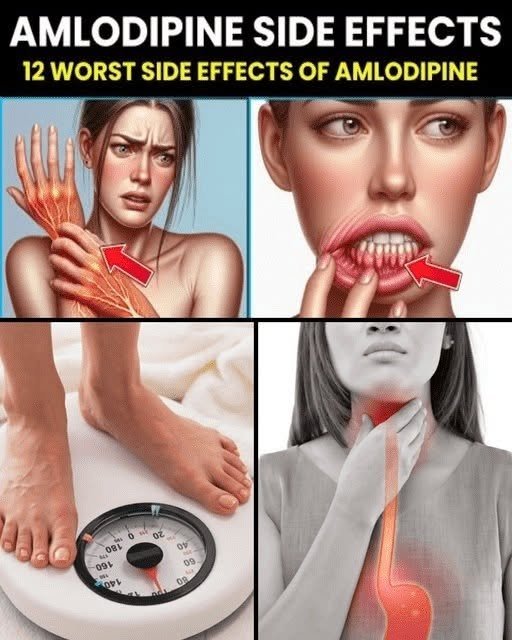
Amlodipine is a widely prescribed calcium channel blocker that relaxes blood vessels to treat high blood pressure (hypertension) and angina. While effective and generally safe, it can cause distinct side effects ranging from common physical discomforts to rare, serious medical reactions.
Never stop taking Amlodipine abruptly without consulting your physician, as stopping suddenly can cause your blood pressure to rebound dangerously.
🚨 WHEN TO SEEK IMMEDIATE EMERGENCY CARE (911)Seek urgent emergency medical assistance if you experience signs of a severe allergic reaction (hives, swelling of the face, lips, tongue, or throat, difficulty breathing), worsening chest pain, or symptoms of a heart attack.
12 Notable Side Effects of Amlodipine
1. Peripheral Edema (Swelling of Ankles, Feet, and Lower Legs)
The most common side effect of Amlodipine. Because it dilates arterial blood vessels more than veins, fluid can leak into surrounding tissues, causing noticeable swelling in the lower extremities.
2. Severe Dizziness or Lightheadedness
As blood pressure drops, blood flow to the brain can temporarily decrease, particularly when standing up quickly from a sitting or lying position (orthostatic hypotension).
3. Rapid, Pounding, or Irregular Heartbeat (Palpitations)
A sudden lowering of blood pressure can trigger reflex tachycardia—a physiological response where the heart beats faster or flutters to compensate for relaxed blood vessels.
4. Worsening Chest Pain (Angina) or Sudden Heart Attack
Although rare, when initiating Amlodipine or increasing the dose, some individuals (especially those with severe obstructive coronary artery disease) may experience an increase in the frequency or severity of chest pain.
5. Extreme Fatigue and Drowsiness
As arterial pressure lowers, the body may experience persistent sluggishness, low energy, and daytime somnolence during the initial weeks of treatment.
6. Flushing (Sudden Warmth and Redness)
Relaxation and widening of cutaneous blood vessels can cause a warm, red sensation across the face, neck, and upper chest.
7. Gingival Hyperplasia (Swollen or Bleeding Gums)
A known long-term reaction to calcium channel blockers where gum tissue overgrows, swells, or bleeds easily during brushing. Good oral hygiene helps manage this effect.
8. Shortness of Breath (Dyspnea)
Unexplained breathing difficulty or tightness in the chest can occur, sometimes linked to fluid retention or pulmonary vascular relaxation changes.
9. Persistent Nausea and Abdominal Discomfort
Gastrointestinal smooth muscle relaxation can lead to mild nausea, stomach pain, indigestion, or changes in bowel habits like constipation.
10. Liver Dysfunction or Jaundice (Yellowing of Skin/Eyes)
In rare cases, Amlodipine can cause elevated liver enzymes, hepatitis, or jaundice. Dark urine, pale stools, or yellowing of the skin and eyes require immediate medical evaluation.
11. Muscle Cramps and Joint Stiffness
Imbalances in vascular tone and localized fluid movement can cause sudden muscular spasms, stiffness, or aching in the limbs.
12. Headaches
Widening blood vessels in the brain frequently triggers mild-to-moderate headaches, particularly during the first few days of starting the medication.
Key Precautions & Drug Interactions
| Consideration | Details |
| Grapefruit / Grapefruit Juice | Grapefruit inhibits CYP3A4 enzymes in the liver, which breakdown Amlodipine. Consuming it can sharply increase drug levels in your blood, raising the risk of severe hypotension and swelling. |
| Simvastatin Interaction | Amlodipine raises blood levels of the cholesterol drug Simvastatin. Doctors typically limit the Simvastatin dose to 20 mg daily when taken alongside Amlodipine to prevent muscle toxicity (rhabdomyolysis). |
| Dose Adjustments | Never adjust your dose or add over-the-counter supplements (like magnesium or NSAIDs) without consulting your prescribing doctor. |
