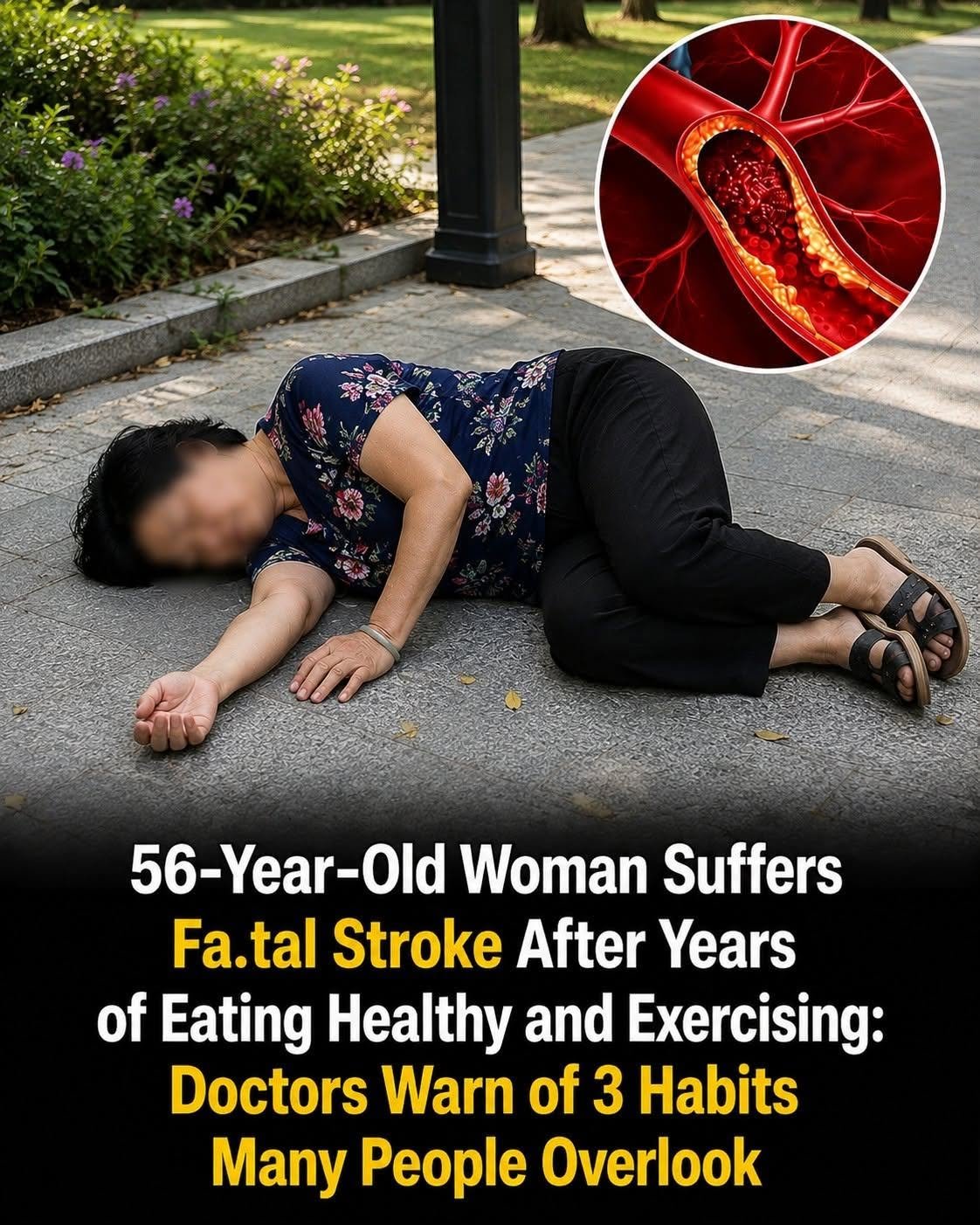
It is deeply tragic and unsettling when someone who seemingly did everything right—eating well, staying active, and taking care of their health—suffers a sudden, catastrophic event. Stories like this often shake our faith in the idea that health is purely a matter of personal control.
While a healthy lifestyle drastically reduces your overall risk, it does not reduce it to zero. Understanding why this can happen involves looking at factors that diet and exercise alone cannot always override:
1. Undetected Genetic and Structural Factors
Some cardiovascular and cerebrovascular risks are entirely hidden beneath the surface. These include:
-
Congenital anomalies: Conditions like an undetected cerebral aneurysm (a weak spot in a brain blood vessel) or structural heart defects (such as an undiagnosed patent foramen ovale or certain cardiomyopathies) can be silent ticking clocks.
-
Genetic predispositions: Familial hypercholesterolemia or inherited clotting disorders can cause aggressive plaque buildup or abnormal blood clotting regardless of how clean your diet is.
2. Silent Physiological Drivers
Even active, health-conscious people can develop silent risk factors that require clinical testing to catch:
-
Hypertension (High Blood Pressure): Often called the “silent killer,” high blood pressure strains blood vessels in the brain for years without any noticeable symptoms until a vessel weakens or ruptures.
-
Atherosclerosis Progression: While diet slows arterial plaque accumulation, age-related vascular stiffening and subclinical plaque buildup can still occur quietly.
3. The Limits of Lifestyle
Lifestyle medicine is remarkably powerful for preventing the most common lifestyle-driven diseases (like Type 2 Diabetes and standard coronary artery disease), but it is not a complete shield against acute medical emergencies like a sudden hemorrhagic stroke, an unprovoked embolism, or an unexpected cardiac arrhythmia.
When a tragedy strikes someone who lived healthily, it serves as a stark reminder of our biological vulnerability—and underscores why regular medical screenings (such as blood pressure checks, lipid panels, and vascular or cardiac evaluations when indicated) remain critical complements to a healthy lifestyle.
