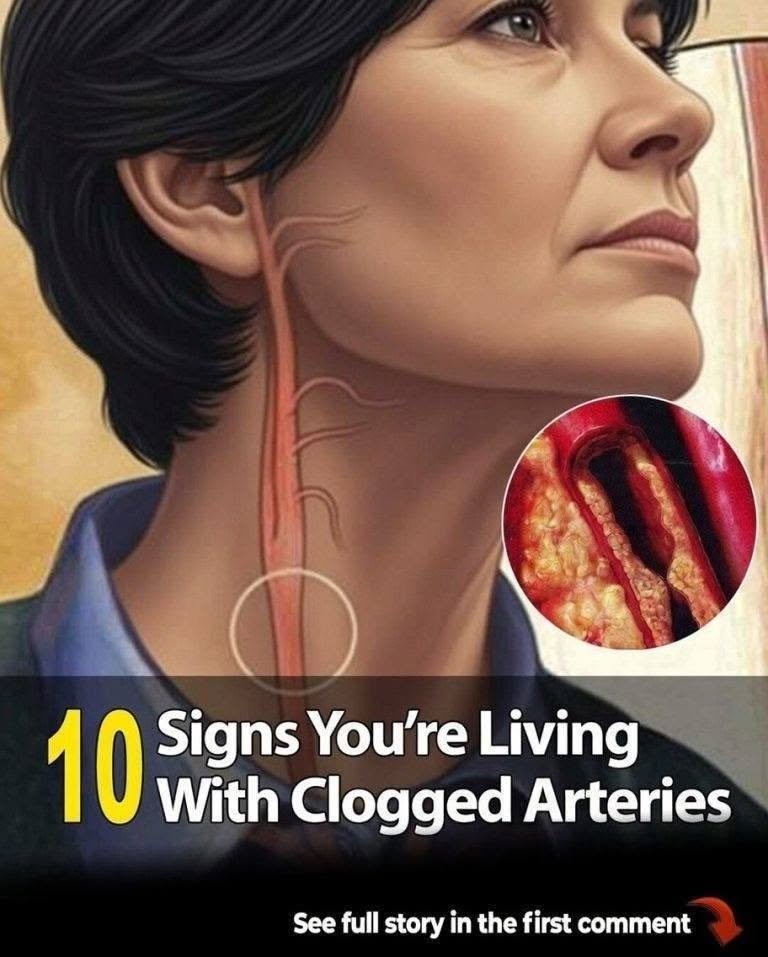
When online health articles list “10 indicators of blocked arteries you shouldn’t ignore,” they often blend genuine medical symptoms of cardiovascular disease with vague, non-specific sensations that can stem from dozens of minor causes.
While advanced atherosclerosis (arterial plaque buildup) is a serious condition that requires medical attention, understanding which signs are clinically validated red flags—and which are internet myths—helps separate real risk from fear-mongering.
The True Clinical Indicators of Arterial Blockage
When coronary, carotid, or peripheral arteries become significantly narrowed or blocked, they restrict blood flow to vital organs, triggering specific, recognizable symptoms:
-
Chest Pain or Pressure (Angina): The classic sign of restricted blood flow to the heart muscle. It often feels like tightness, squeezing, or pressure behind the breastbone, typically triggered by physical exertion or emotional stress and relieved by rest.
-
Shortness of Breath: If the heart muscle isn’t pumping efficiently due to blocked coronary arteries, fluid can back up into the lungs, making everyday activities feel breathless.
-
Intermittent Claudication (Leg Pain with Walking): Pain, cramping, or heaviness in the calves, thighs, or buttocks that occurs during walking and disappears with rest is a hallmark sign of peripheral artery disease (PAD)—plaque buildup in the arteries supplying the legs.
-
Transient Ischemic Attacks (TIAs) or Strokes: Temporary or permanent numbness, weakness on one side of the body, facial drooping, slurred speech, or sudden vision loss can indicate plaque buildup or blood clots in the carotid arteries supplying the brain.
-
Coldness or Numbness in Extremities: Severely restricted blood flow to the hands or feet can cause chronic coldness, pale skin tone, or slow-healing sores due to poor circulation.
The “Internet Myths” Often Misattributed to Blocked Arteries
Viral health articles frequently claim that minor physical quirks are direct signs of clogged arteries. These are scientifically unfounded:
-
Creased Earlobe (Frank’s Sign): While some observational studies have looked at diagonal earlobe creases and aging or heart disease risk, it is not a diagnostic indicator of blocked arteries.
-
Hair Loss on Legs: While advanced peripheral artery disease can cause hair thinning due to extreme chronic ischemia, routine hair loss on the legs is far more commonly tied to normal aging or genetics.
-
Yawning Constantly: Some viral posts claim frequent yawning means your brain isn’t getting enough oxygen due to blocked arteries. In reality, yawning is tied to thermoregulation, tiredness, and boredom, not acute vascular blockage.
How Blocked Arteries Are Actually Diagnosed
Because mild to moderate arterial plaque often causes zero symptoms for decades (the exact reason it is called a “silent killer”), waiting for physical warning signs is not an effective screening strategy. Doctors use diagnostic imaging and functional testing to evaluate vascular health:
-
Lipid Panels and Blood Tests: Assessing cholesterol, triglycerides, and inflammatory markers like hs-CRP.
-
Carotid Ultrasound: Sound waves used to check blood flow and plaque buildup in the neck arteries.
-
Ankle-Brachial Index (ABI): Comparing blood pressure in the ankles versus the arms to check for peripheral artery disease.
-
Calcium Scoring (CAC Scan) or Coronary Angiography: Advanced imaging used to visualize calcified plaque directly in the heart’s arteries.
If you experience persistent chest pain, sudden unexplained shortness of breath, or neurological symptoms, seek immediate medical evaluation.
