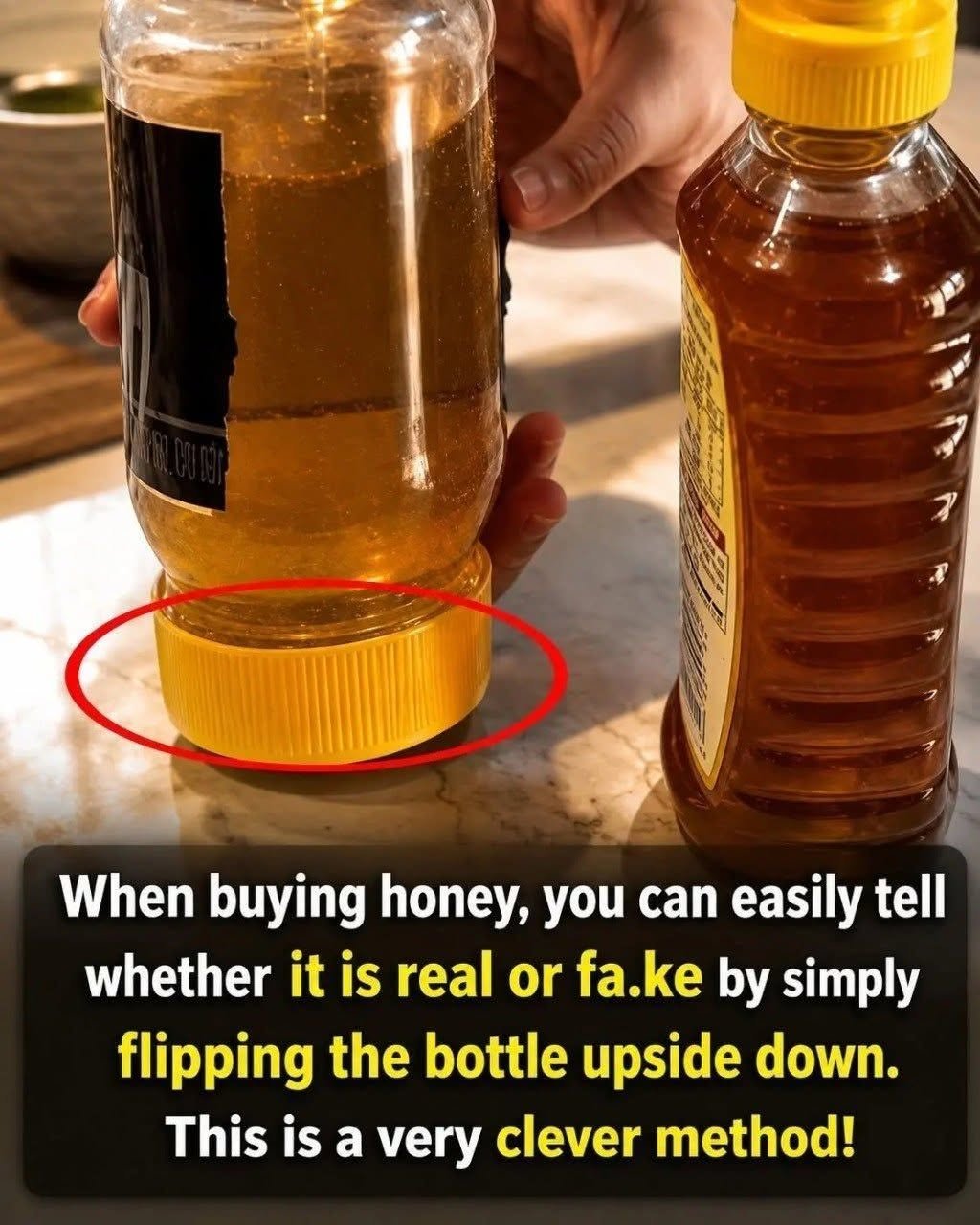
When lifestyle and food blogs publish an exposé warning that “you might not be buying real honey,” they usually lean into viral internet lore. They love to feature kitchen tests—like dropping honey into water to see if it dissolves, drawing a honeycomb pattern on a plate, or burning a match dipped in honey—claiming these DIY tricks will reveal whether your jar has been “adulterated with cheap corn syrup or sugar water.”
While commercial honey fraud (the practice of diluting pure floral honey with cheaper syrups like high-fructose corn syrup, rice syrup, or cane sugar) is a legitimate economic challenge in the global supply chain, amateur kitchen science cannot detect it. Understanding how honey is made, what adulteration actually looks like, and how regulatory bodies test it separates internet myths from food science.
The Real Science of Honey Production
To understand how honey can be altered, it helps to look at what true honey is:
-
Botanical Origin: Bees gather nectar from flowers, ingest it (where natural enzymes like invertase break down complex sucrose into glucose and fructose), and deposit it into honeycomb cells. They fan the comb with their wings to evaporate excess water until moisture drops below ~18-20%, sealing the comb with beeswax.
-
Natural Variability: Real honey varies wildly in color, flavor, viscosity, and crystallization speed depending on the floral source (e.g., clover vs. buckwheat vs. orange blossom) and ambient storage temperature.
Why Kitchen “Fake Honey” Tests Don’t Work
Viral articles promote several popular tests, all of which are fundamentally flawed based on basic chemistry and physics:
-
The Water Dissolution Test (“Does it melt or sink?”): The claim is that pure honey sinks in water without dissolving, while fake honey immediately disperses. In reality, all genuine honey is primarily composed of water-soluble simple sugars (fructose and glucose). How fast a spoonful of honey dissolves in water depends entirely on its temperature, moisture content, and viscosity—not its purity.
-
The Match Test (“Does it burn?”): The claim is that if you dip a match in honey and try to strike it, fake honey won’t burn because of excess moisture. In truth, honey is packed with combustible sugars; whether a match lights depends almost entirely on the moisture coating the match head and the humidity of the air, making this test completely unreliable.
-
The Thumb Test (“Does it form a ball?”): The claim is that pure honey holds its shape when placed on your thumb. Viscosity is simply a function of moisture content and temperature—some entirely pure, raw honeys have a higher moisture content and flow more easily than others.
How Honey Is Actually Adulterated and Tested
Real economic adulteration doesn’t leave obvious clues for a drop of water or a matchstick. Fraudulent honey is industrially engineered to mimic the exact sugar profile, moisture level, and viscosity of natural floral honey.
Because of this, detection requires advanced laboratory analysis:
-
Stable Isotope Ratio Analysis (SIRA): This sophisticated laboratory test analyzes the carbon isotope ratios in the honey. Because corn and cane sugar use a different photosynthetic pathway (C4 pathway) than flowers visited by bees (C3 pathway), mass spectrometry can easily spot if cheap corn or cane syrups have been mixed in.
-
Nuclear Magnetic Resonance (NMR) Profiling: Modern food laboratories use NMR to create a unique “fingerprint” of a honey sample, comparing its chemical components against a vast database of authentic floral honeys to detect even subtle modifications.
The Bottom Line
You cannot spot adulterated honey with a match or a glass of water. If you want to avoid industrial syrup blends, the most effective strategy is supply chain transparency: buy directly from local beekeepers whose hives you can trace, or purchase reputable brands that test their batches using certified laboratory methods rather than relying on grocery store bargain bins.
