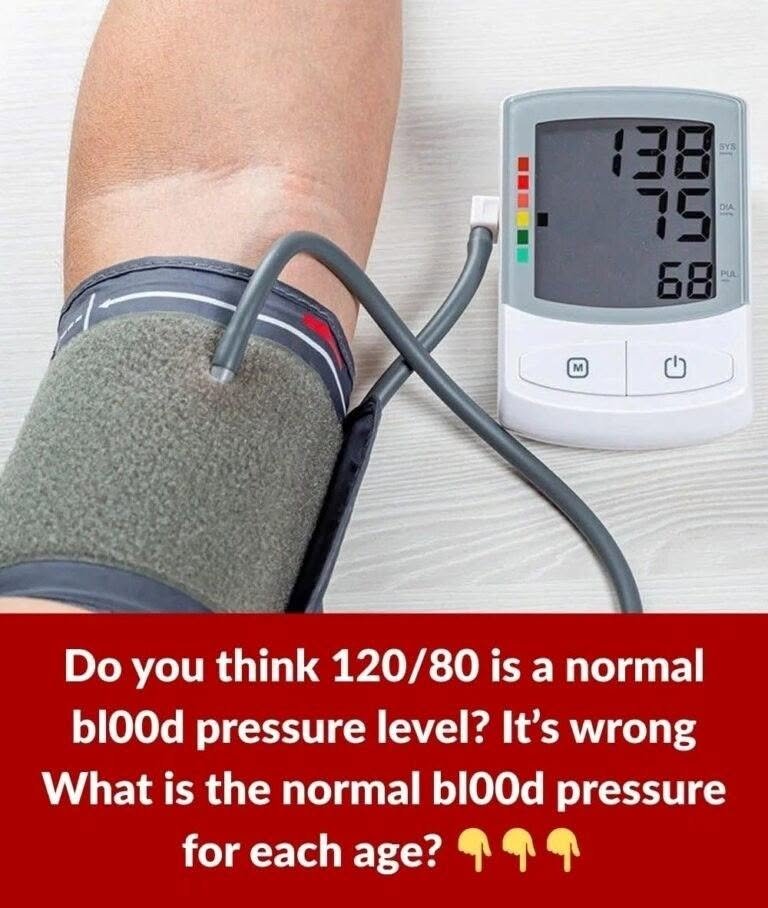
When commercial wellness charts feature age-adjusted blood pressure ranges that creep upward with each decade, they often foster a dangerous misconception: the idea that high blood pressure becomes “normal” or acceptable as you get older.
In clinical cardiology and official guidelines from organizations like the American Heart Association (AHA) and the American College of Cardiology (ACC), normal blood pressure does not change with age. For every adult—whether you are 20, 50, or 80 years old—normal blood pressure is defined as below 120/80 mm Hg.
The Confusion: “Common” Versus “Healthy”
Charts that list higher acceptable numbers for older age groups are confusing population averages with healthy physiological targets.
Because large segments of the aging population experience gradual arterial stiffening over time, average blood pressure readings naturally drift upward. However, just because a higher reading is common in older age groups does not mean it is safe, optimal, or medically normal. Unchecked high blood pressure carries the same cardiovascular and stroke risks regardless of a person’s birthday.
Official Adult Blood Pressure Categories
Regardless of your age as an adult, clinical readings are classified into these standard categories:
| Blood Pressure Category | Systolic (Top Number) | Diastolic (Bottom Number) | |
| Normal | Less than 120 | and | Less than 80 |
| Elevated | 120–129 | and | Less than 80 |
| Stage 1 Hypertension | 130–139 | or | 80–89 |
| Stage 2 Hypertension | 140 or higher | or | 90 or higher |
How Physiology Shifts With Age
While the definition of normal blood pressure stays fixed at under 120/80 mm Hg, the behavior of the cardiovascular system does evolve over time:
-
Arterial Compliance and Systolic Rise: As decades pass, large elastic arteries naturally lose some of their elasticity and become stiffer. This causes the top number (systolic pressure—the pressure when the heart beats) to rise steadily across the lifespan.
-
The Diastolic Pattern: The bottom number (diastolic pressure—the pressure when the heart rests between beats) typically rises through young adulthood and middle age, but frequently levels off or even declines slightly after age 60. This widening gap between the two numbers is known as isolated systolic hypertension, the most common pattern seen in older adults.
What About Children and Teens?
Blood pressure standards for minors are structured entirely differently than adult cut-offs:
-
Ages 1 to 12: Because a child’s healthy blood pressure depends heavily on their body size, pediatric guidelines rely on percentile charts that factor in age, sex, and height. Readings must be interpreted by a pediatrician against these specific growth metrics.
-
Ages 13 and Older: Adolescents transition to standard adult evaluation parameters, meaning readings below 120/80 mm Hg are considered normal.
Evidence-Based Takeaways
-
Never Ignore a Rising Trend: If your readings are creeping into the elevated or stage 1 ranges, address them with lifestyle modifications (such as sodium management and regular aerobic exercise) early, rather than waiting for them to “match your age.”
-
Individualized Treatment Goals: While a reading below 120/80 is the universal ideal, physicians managing older adults on medication may tailor individual treatment targets (often aiming below 130/80) to balance cardiovascular protection against potential risks like dizziness or falls.
