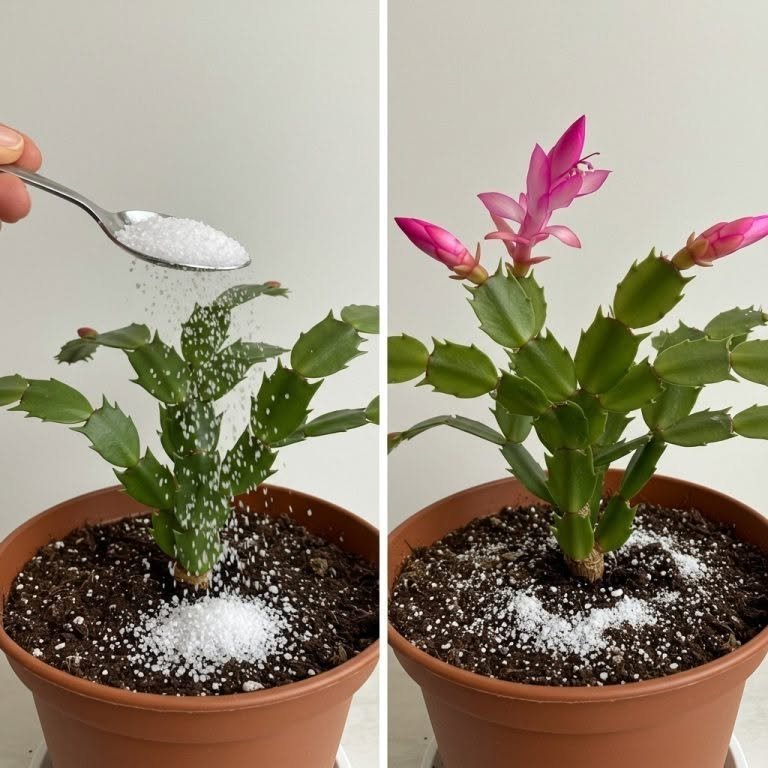
1. The Light Shift (Maximizing Shifting Sunlight)
As autumn arrives, the Earth’s tilt alters the angle of the sun, drastically shortening daylight hours and lowering light intensity inside your home. A window that flooded your flowering houseplants with bright, indirect light all summer may suddenly become a dimly lit corner.
-
The Action: Take stock of your plant placements. Move light-hungry flowering species (like African violets, orchids, or peace lilies) closer to south- or east-facing windows to catch every possible ray.
-
The Cold Buffer: While you want to maximize light, be cautious of resting leaves directly against cold glass. Nighttime autumn and winter temperatures can cause chilling injury or leaf drop if foliage touches frosty windowpanes.
2. The “Little Secret”: Unblocking Plant Solar Panels
If your indoor flowers or foliage plants look dull or lackluster as the seasons change, there is a simple, frequently ignored culprit: microscopic dust buildup.
-
The Science: Indoor dust settles on leaves over the dry summer months, acting like a physical sunscreen that blocks already-weakened autumn sunlight and inhibits efficient gas exchange.
-
The Fix: Gently wipe smooth-leaved plants with a damp microfiber cloth. For delicate or textured leaves, use a soft, dry brush. This instant refresh clears the pores (stomata) and supercharges light absorption just as natural light levels decline.
3. Recalibrating the Water Cycle
Continuing a heavy, rigid summer watering routine into autumn is the single fastest way to invite root rot. Because temperatures cool and light drops, indoor plants slow down their metabolic activity and drink considerably less water.
-
The Test: Ditch the calendar schedule. Always check the soil depth with your finger or a wooden chopstick before watering. If the soil clings or feels damp an inch down, wait a few more days. Allowing the soil to dry out slightly more between waterings mimics natural seasonal rhythms.
4. Battling Dry Air and Indoor Heating
When the weather cools and heating systems turn on, indoor humidity levels plummet. Many tropical flowering houseplants struggle in dry forced-air environments, leading to brown leaf tips and bud drop.
-
The Fix: Group moisture-loving plants together to create a localized microclimate of higher humidity, place pots on pebble trays filled with water (keeping the water level below the pot base), or run a small room humidifier nearby.
5. Pausing Active Fertilization
It feels counterintuitive to stop feeding plants when you want them to stay vibrant, but autumn signals a natural resting or slow-growth period for most indoor species.
-
Why It Matters: Forcing synthetic nutrients into a plant that isn’t actively growing leaves behind excess mineral salts in the potting mix. These accumulated salts can burn delicate roots and cause foliage to scorch. Put away liquid plant food until spring daylight returns.
