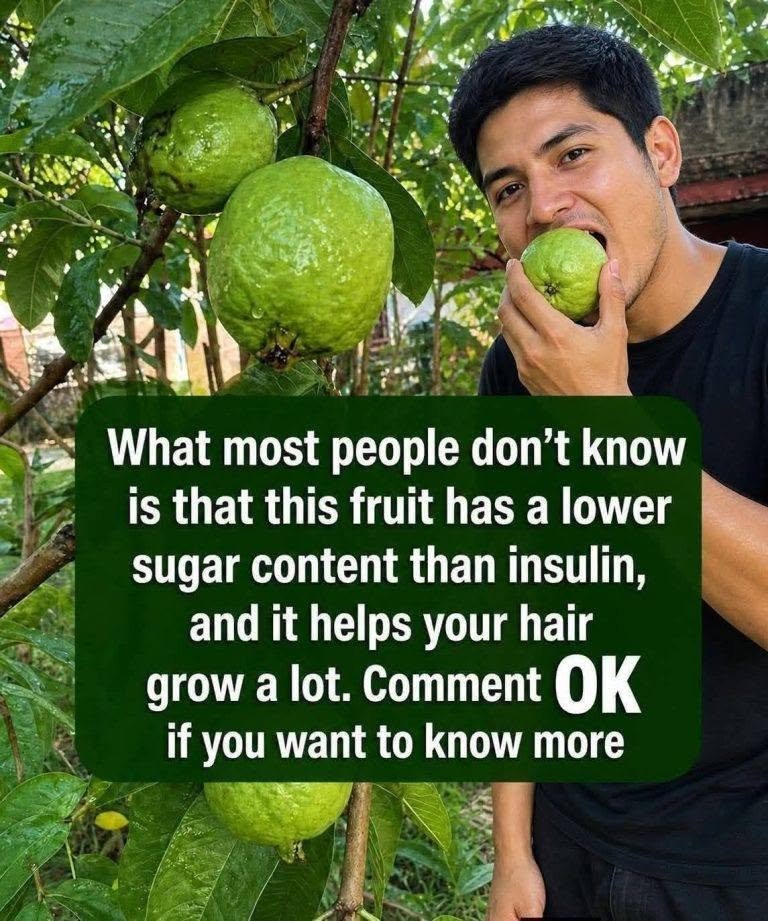
Viral health videos and social media headlines regularly showcase claims like “Goodbye High Blood Sugar: Discover the Power of Guava,” marketing guava fruit, extracts, or teas as quick, miraculous cures for diabetes that can instantly replace prescription glucose-lowering medications.
In reality, while guava is a exceptional, low-glycemic fruit with genuine metabolic benefits, no single food can cure or instantly eliminate high blood sugar or diabetes.
Here is an objective, science-based breakdown of what guava actually does for blood glucose regulation, the mechanisms behind its benefits, and crucial safety rules for managing diabetes:
The Science: How Guava Supports Blood Sugar Balance
Guava (Psidium guajava) and guava leaf extract have been widely studied in clinical and laboratory settings for their anti-diabetic properties:
-
Low Glycemic Index and High Dietary Fiber:
-
The Mechanism: Raw guava has a low Glycemic Index (GI) and is packed with dietary fiber (particularly soluble pectin).
-
The Clinical Result: Soluble fiber slows gastric emptying and delays the absorption of glucose in the small intestine. This prevents the sharp post-meal blood sugar spikes that occur after consuming high-glycemic carbohydrates.
-
-
Inhibition of Carbohydrate-Digesting Enzymes:
-
The Mechanism: Bioactive compounds in guava leaf extract—such as flavonoids (quercetin) and polyphenols—have been shown to inhibit key digestive enzymes like alpha-glucosidase and alpha-amylase.
-
The Clinical Result: By slowing down the breakdown of complex starches into simple sugars in the digestive tract, guava leaf tea can help moderate postprandial (post-meal) blood sugar elevations.
-
-
Improved Insulin Sensitivity:
-
The Mechanism: Antioxidants present in guava help combat systemic oxidative stress and inflammation, two primary drivers of peripheral insulin resistance in Type 2 diabetes.
-
Important Clinical Realities & Potential Pitfalls
While incorporating fresh guava or guava leaf tea into your routine is generally safe and beneficial, there are important nuances to keep in mind:
-
Peel vs. Flesh Dynamics:
-
Some animal studies suggest that the outer skin or peel of the guava fruit may cause a slight, transient increase in blood sugar in some individuals due to concentrated natural sugars. For optimal glycemic response, some researchers recommend peeling the fruit or consuming it in moderate portions.
-
-
Whole Fruit vs. Processed Juices:
-
Drinking commercial guava juice strips away the beneficial insoluble fiber and often adds concentrated sweeteners, which will raise your blood sugar rapidly rather than lower it. Stick to whole, fresh fruit or brewed, unsweetened guava leaf tea.
-
-
Not a Replacement for Medication:
-
Guava supports glycemic management as part of a total lifestyle pattern (balanced nutrition, physical activity, and stress management). It cannot replace insulin therapy, metformin, or other physician-prescribed diabetes medications.
-
Safe Usage Guidelines for Diabetics
-
Portion Control: Enjoy one small-to-medium fresh guava as a snack, ideally paired with a source of protein or healthy fat (such as a handful of almonds or walnuts) to further stabilize glucose levels.
-
Monitor Your Numbers: If you add guava leaf tea or fresh guava to your daily routine while taking glucose-lowering medications, monitor your blood sugar regularly. Small dietary improvements can enhance medication sensitivity, requiring adjustments by your endocrinologist or primary care doctor to prevent hypoglycemia (low blood sugar).
