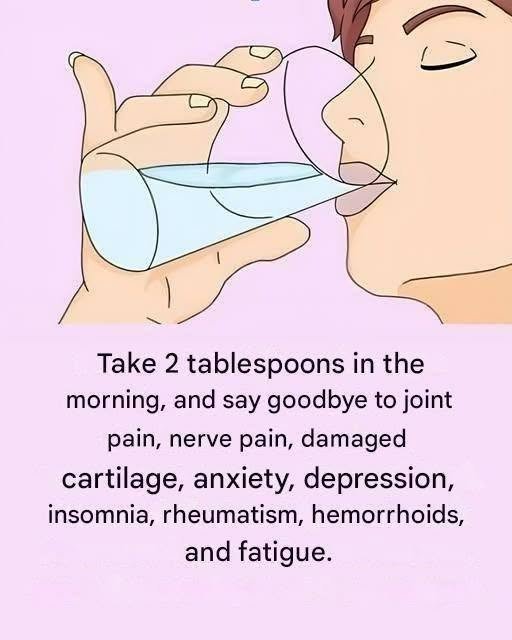
Viral wellness reels and alternative medicine blogs frequently promote simple home remedies—such as herbal teas, spice mixes, or single-vitamin tonics—claiming they can simultaneously cure chronic bone pain and completely resolve mental health conditions like anxiety or depression.
In clinical medicine and orthopedics, bone pain and mental health are deeply interconnected through physiological pathways, but they cannot be cured by a simple natural remedy. Chronic pain places severe, inflammatory stress on the central nervous system, frequently triggering depressive symptoms and anxiety. Conversely, psychological distress amplifies the perception of physical pain.
While no home remedy replaces medical treatment for underlying bone pathology or clinical mood disorders, evidence-based lifestyle approaches can significantly support both skeletal and neurological health.
Here is an objective, science-based breakdown of the physiological connections, the limits of natural remedies, and proven strategies to manage both:
The Physiological Link: Bones and Mood
When individuals experience deep, persistent “bone pain” (often felt as a heavy, dull ache in the limbs, spine, or hips) alongside mental fatigue or low mood, clinicians typically look for common physiological denominators:
-
Vitamin D and Calcium Deficiencies:
-
The Mechanism: Vitamin D acts as both a vitamin and a hormone. Severe deficiency impairs calcium absorption, leading to osteomalacia (softening of the bones), which causes dull skeletal aches. Simultaneously, Vitamin D receptors in the brain regulate neurotransmitters associated with mood regulation; deficiency is strongly linked to seasonal affective symptoms and depression.
-
-
Systemic Inflammation (“Inflammaging”):
-
The Mechanism: Chronic inflammatory states release cytokines that degrade bone density and simultaneously affect neural circuits in the brain, driving fatigue, anxiety, and depressive symptoms.
-
-
The Pain-Mood Feedback Loop:
-
The Mechanism: Unmanaged chronic pain exhausts neurological reserves, disrupts sleep architecture, and elevates stress hormones (cortisol), which in turn degrades mental health and lowers pain tolerance.
-
What Natural Strategies Actually Do (and Don’t Do)
-
The Myth: Drinking a specific herbal tonic or fruit infusion will rebuild bone matrix and cure clinical depression.
-
The Reality: While anti-inflammatory foods, gentle movement, and proper hydration support overall well-being, they cannot reverse conditions like osteoporosis, autoimmune bone disorders, clinical depression, or generalized anxiety disorder.
Evidence-Based Integrative Approaches
To genuinely support both bone integrity and mental well-being, clinical guidelines emphasize a multi-faceted approach:
1. Correct Deficiencies (Test, Don’t Guess)
-
Ask your physician for a simple blood panel to check your 25-hydroxyvitamin D, calcium, and Vitamin B12 levels. If you are deficient, targeted supplementation prescribed by a doctor restores bone mineralization and stabilizes neurological function far more effectively than random home tonics.
2. Incorporate Low-Impact Weight-Bearing Movement
-
The Mechanism: Mechanical loading stimulates osteoblasts (bone-forming cells) to increase bone mineral density while triggering the release of endorphins and brain-derived neurotrophic factor (BDNF), which elevate mood and reduce anxiety.
-
The Action: Engage in daily brisk walking, gentle resistance training, or tai chi, which improves balance, protects joints, and supports mental health.
3. Anti-Inflammatory Nutritional Patterns
-
Focus on a whole-food, Mediterranean-style diet rich in omega-3 fatty acids (found in salmon, walnuts, and flaxseeds), leafy greens, and adequate dietary protein to support both musculoskeletal repair and gut-brain axis health.
4. Sleep Hygiene and Stress Management
-
Deep, restorative sleep is when bone remodeling and neurological repair primarily occur. Establishing a consistent sleep schedule and practicing mindfulness or diaphragmatic breathing helps lower cortisol and reduce the physiological perception of pain.
When to Seek Immediate Medical Evaluation
Because persistent bone pain can occasionally signal serious underlying medical issues—such as stress fractures, severe vitamin D-induced osteomalacia, rheumatological conditions, or metastatic bone disease—never ignore deep, unremitting skeletal pain.
Schedule an appointment with your primary care physician for a thorough physical examination, blood work, and potential imaging (such as a DEXA scan for bone density or X-rays) to ensure you receive an accurate diagnosis and targeted care plan.
