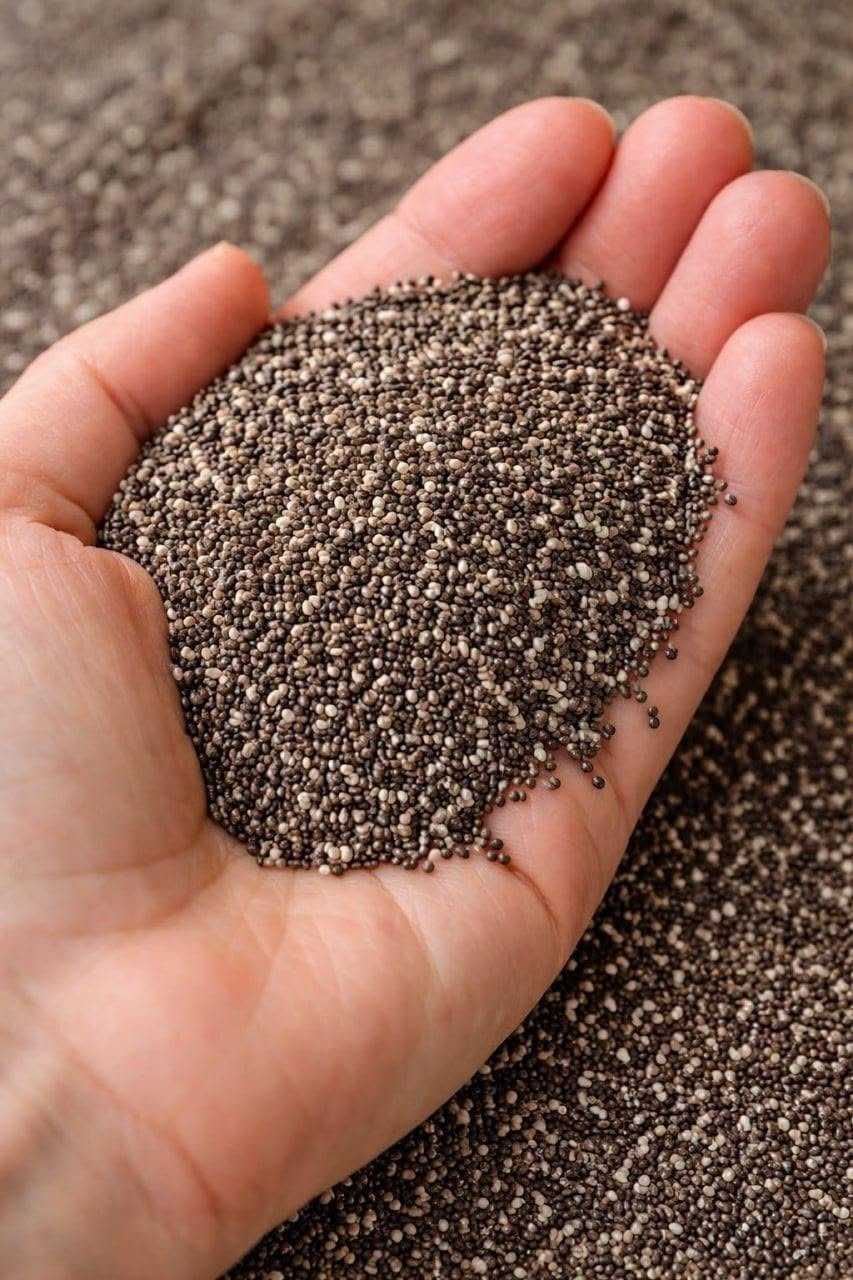
While chia seeds are widely celebrated as a nutrient-dense superfood packed with fiber, omega-3 fatty acids, and essential minerals, gastroenterologists and physicians frequently warn about the specific physical risks associated with improper preparation—as well as the digestive shifts that occur when introducing them to your diet.
Here is an objective, science-based breakdown of the physiological effects of eating chia seeds, the mechanics of potential esophageal blockages, and how to consume them safely:
The Primary Hazard: Esophageal Obstruction
The most significant medical risk associated with chia seeds is acute esophageal impaction, a condition where the seeds form a dense, gel-like blockage in the throat or esophagus.
-
The Hydrophilic Gel Mechanism: Chia seeds are uniquely hydrophilic, meaning they can absorb 10 to 12 times their weight in water. When dry chia seeds come into contact with moisture, their outer seed coat rapidly secretes a thick mucilage layer.
-
The Clinical Risk: If dry chia seeds are swallowed and chased with water, they do not wash down smoothly. Instead, they expand rapidly while inside the narrow esophagus, forming a sticky, gelled mass that can completely block the passage of food, liquids, and saliva.
-
Vulnerable Populations: Individuals with existing swallowing difficulties (dysphagia), esophageal strictures (narrowing), or motility disorders are at a significantly higher risk for this complication.
Digestive Effects: Fiber Load and Hydration
Beyond the throat, the high fiber concentration in chia seeds induces distinct gastrointestinal responses:
-
Abdominal Bloating and Gas:
-
The Mechanism: Two tablespoons of chia seeds provide approximately 10 grams of dietary fiber (roughly one-third of the daily recommended intake). If consumed suddenly by someone unaccustomed to high fiber, gut bacteria rapidly ferment these complex carbohydrates, producing gas, distension, and cramping.
-
-
Constipation and Intestinal Sluggishness:
-
The Mechanism: Because chia seeds draw water inward to expand, consuming large quantities without increasing fluid intake can strip moisture from the digestive tract, resulting in dry, hard stools or severe constipation.
-
Potential Medication Interactions
In high daily quantities, the active compounds in chia seeds can exert mild pharmacological effects:
-
Antihypertensive Medications: The high concentration of alpha-linolenic acid (an omega-3 fatty acid) in chia seeds exerts a modest, natural blood-pressure-lowering effect, which may cause additive drops in blood pressure if combined with high-dose antihypertensive drugs.
-
Glycemic Control Medications: The soluble fiber in chia seeds slows gastric emptying and delays carbohydrate absorption. While beneficial for baseline blood sugar management, individuals on potent diabetes medications should monitor their glucose levels to prevent unexpected drops.
How to Eat Chia Seeds Safely
To obtain the cardiovascular, metabolic, and digestive benefits of chia seeds without physical risks, adhere to these evidence-based guidelines:
-
Always Pre-Soak (1:4 Ratio): Never consume raw, dry chia seeds by the spoonful. Combine 1 part chia seeds with at least 4 parts liquid (water, milk, juice, or yogurt) and let them expand for 15 to 20 minutes (or overnight) until a soft pudding consistency forms.
-
Hydrate Adequately: Always drink an extra glass of water when adding high-fiber seeds to your meals to ensure smooth transit through the gastrointestinal tract.
-
Gradual Introduction: Start with 1 teaspoon per day and gradually increase your intake over two to three weeks to allow your gut microbiome to adapt.
