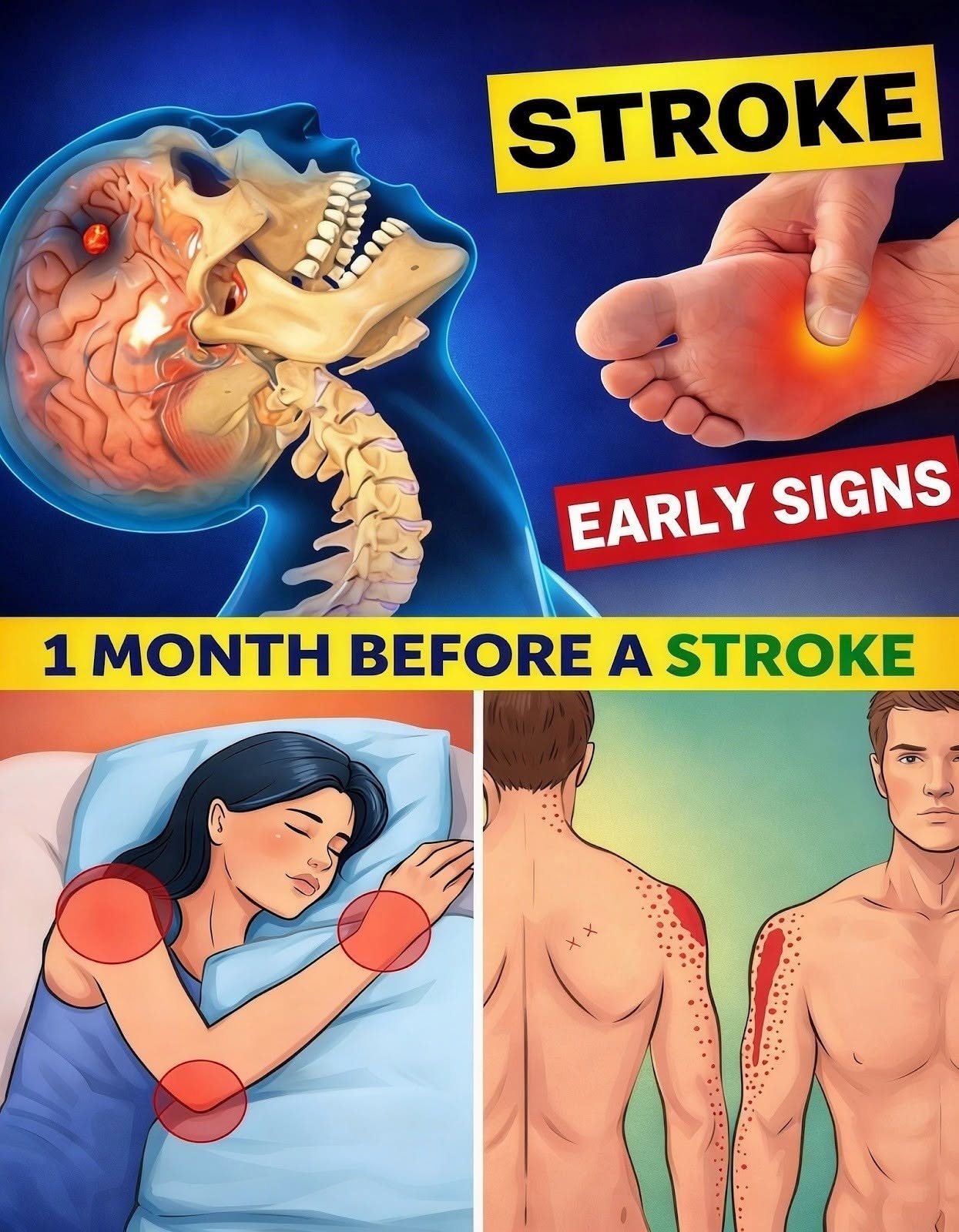
A stroke occurs when blood flow to part of the brain is interrupted or reduced, depriving brain tissue of oxygen and vital nutrients. Within minutes, brain cells begin to die.
While a major stroke can strike suddenly, the brain often gives early warning signals hours, days, or even weeks before a catastrophic event occurs. Recognizing these subtle red flags and taking proactive preventive steps can dramatically reduce the risk of permanent brain damage, disability, or death.
Here is an objective, evidence-based breakdown of the 8 potential warning signs of an impending stroke and 9 medically proven ways to lower your risk.
8 Early Warning Signs of Stroke
Many stroke patients experience a Transient Ischemic Attack (TIA)—often called a “mini-stroke”—prior to a full-blown stroke. A TIA occurs when a temporary blood clot briefly blocks blood flow to the brain, causing temporary stroke symptoms that usually last from a few minutes to a few hours before resolving on their own. A TIA is a medical emergency that strongly predicts a major stroke.
1. Sudden Numbness or Weakness in the Face, Arm, or Leg
-
The Mechanism: Ischemia (lack of blood flow) in the motor cortex or internal capsule disrupts signals from the brain to spinal nerves. This often affects only one side of the body (unilateral weakness), causing one arm or leg to go limp or heavy.
2. Facial Droop or Asymmetry
-
The Mechanism: When blood flow to the facial nerve pathways in the brainstem or cerebral cortex is restricted, one side of the face may lose muscle tone. This causes one corner of the mouth to droop when smiling or trying to speak.
3. Slurred Speech or Difficulty Understanding (Aphasia)
-
The Mechanism: Interruption of blood flow to Broca’s area (responsible for speech production) or Wernicke’s area (responsible for language comprehension) causes sudden difficulty articulating words, jumbled speech, or inability to comprehend simple spoken commands.
4. Sudden Confusion or Cognitive Changes
-
The Mechanism: Acute cognitive impairment, sudden disorientation, or memory gaps occur when ischemic changes affect frontotemporal neural networks, disrupting executive functioning and processing speed.
5. Sudden Vision Loss or Changes in One or Both Eyes
-
The Mechanism: A blockage in the ophthalmic artery or retinal vessels can cause sudden, painless vision loss in one eye—often described as a black shade falling over the eye (amaurosis fugax). Occipital lobe ischemia can also cause sudden loss of peripheral vision in both eyes.
6. Sudden Severe “Thunderclap” Headache
-
The Mechanism: A sudden, unusually severe headache with no clear cause—frequently described by patients as “the worst headache of my life”—can signal an impending hemorrhagic stroke, a leaking brain aneurysm, or a tear in the arterial wall (arterial dissection).
7. Sudden Dizziness, Loss of Balance, or Vertigo
-
The Mechanism: Ischemia affecting the cerebellum or brainstem disrupts the body’s balance and orientation systems, leading to a sudden inability to walk straight, unsteadiness, or a spinning sensation (vertigo) accompanied by nausea.
8. Difficulty Swallowing (Dysphagia) or Coordination Loss
-
The Mechanism: Dysfunction in lower cranial nerve pathways or cerebellar structures impairs the complex muscular coordination required for swallowing liquids or food, or leads to sudden clumsiness when handling objects.
Remember the F.A.S.T. Acronym for Emergency Action:
9 Evidence-Based Ways to Lower Your Stroke Risk
Up to 80% of strokes are preventable through targeted lifestyle modifications and proper management of underlying cardiovascular risk factors.
1. Strictly Manage High Blood Pressure (Hypertension)
-
Why It Matters: Uncontrolled high blood pressure is the single largest contributing factor to both ischemic and hemorrhagic strokes, as it damages and weakens blood vessel walls over time.
-
Target: Work with your doctor to maintain a blood pressure reading consistently below 120/80 mmHg through diet, exercise, and prescribed antihypertensive medications if needed.
2. Control Type 2 Diabetes and Blood Sugar
-
Why It Matters: Elevated blood glucose levels over time cause vascular inflammation and endothelial dysfunction, accelerating plaque accumulation (atherosclerosis) in the carotid and cerebral arteries.
-
Target: Aim for a target HbA1c below 7.0% through dietary management, regular physical activity, and prescribed medications.
3. Manage Atrial Fibrillation (AFib) and Cardiac Conditions
-
Why It Matters: AFib is an irregular heart rhythm that allows blood to pool in the upper heart chambers, forming clots that can travel directly to the brain and cause an ischemic stroke.
-
Action: If diagnosed with AFib, consult a cardiologist about blood thinners (anticoagulants) to significantly reduce clot formation.
4. Quit Smoking and Avoid Secondhand Smoke
-
Why It Matters: Nicotine increases heart rate and blood pressure, while carbon monoxide reduces the amount of oxygen your blood can carry. Smoking thickens the blood, promotes clot formation, and damages arterial linings.
-
Action: Quitting smoking dramatically cuts stroke risk; within 2 to 5 years of quitting, your stroke risk drops to near that of a non-smoker.
5. Maintain Healthy Lipid/Cholesterol Levels
-
Why It Matters: High levels of LDL (“bad”) cholesterol promote fatty plaque buildup in major blood vessels supplying the brain (carotid artery stenosis).
-
Action: Keep LDL cholesterol within target ranges through a diet rich in soluble fiber and healthy fats, or statin therapy as recommended by your physician.
6. Adopt a Heart-Healthy Mediterranean Diet
-
Why It Matters: Diets rich in vegetables, fruits, whole grains, nuts, legumes, lean proteins (like fish), and healthy fats (like extra virgin olive oil) reduce vascular inflammation and improve arterial compliance.
-
Action: Reduce intake of ultra-processed foods, saturated fats, and excess dietary sodium (salt).
7. Engage in Regular Physical Activity
-
Why It Matters: Exercise lowers blood pressure, enhances insulin sensitivity, improves lipid profiles, and boosts endothelial nitric oxide release, which keeps blood vessels flexible and dilated.
-
Target: Aim for at least 150 minutes of moderate-intensity aerobic exercise (such as brisk walking or swimming) per week.
8. Maintain a Healthy Body Mass Index (BMI)
-
Why It Matters: Carrying excess body weight—especially abdominal fat—increases the strain on your circulatory system and raises the risk of diabetes, high blood pressure, and metabolic syndrome.
-
Action: Combining calorie moderation with regular movement supports sustainable weight management and vascular health.
9. Limit Alcohol Consumption
-
Why It Matters: Excessive alcohol consumption raises blood pressure, increases the risk of heart arrhythmias like AFib, and contributes to hemorrhagic stroke risk by impairing blood clotting.
-
Target: Limit intake to moderate levels—no more than one drink per day for women or two drinks per day for men—or abstain entirely.
