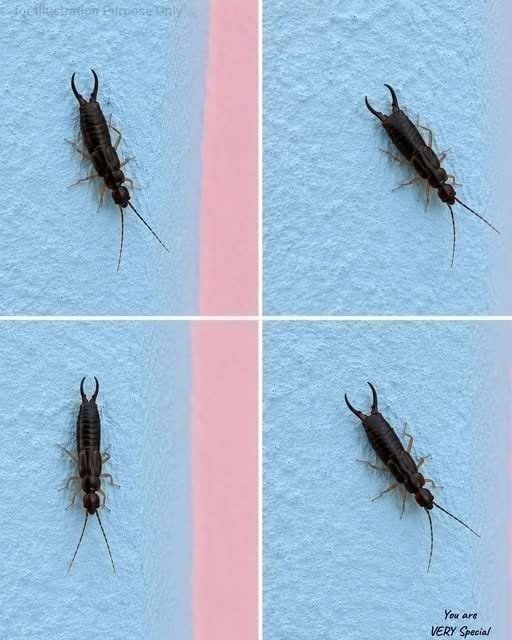
Viral pest control videos and sensationalized home maintenance articles frequently use alarming headlines like “Warning! If you have found this insect in your home, it’s a sign that you need to…”—claiming that spotting a single bug indicates an imminent structural collapse, toxic mold infestation, or severe health hazard.
In entomology and residential maintenance, finding an occasional insect indoors is a normal part of living in a shared ecosystem. While certain pests can point to environmental conditions that need attention (such as excess moisture or unsealed entry points), a random sighting rarely signals a household emergency.
Here is an objective, science-based breakdown of what common household insects actually indicate about your home environment:
1. Finding Silverfish or Booklice
-
What It Points To: High local humidity and damp environments.
-
The Mechanism: Silverfish and booklice thrive in moist, dark conditions where relative humidity exceeds 70%. They feed on starches, paper, glue, and mold spores.
-
What You Need to Do: If you spot them in a bathroom, basement, or kitchen, it’s a sign that you need to improve ventilation and reduce ambient moisture. Running a dehumidifier, fixing leaking pipes, and using exhaust fans during showers will naturally drive them away without needing harsh chemical sprays.
2. Finding Subterranean Termites (Swarmers or Mud Tubes)
-
What It Points To: Wood-to-soil contact, moisture retention, or unsealed structural entry points.
-
The Mechanism: Termites require cellulose and moisture to survive. Winged swarmers appearing indoors in the spring often indicate a mature colony nearby attempting to expand.
-
What You Need to Do: If you find discarded wings, frass (termite droppings), or mud tubes running along your foundation, it is a genuine signal that you need to schedule a professional pest inspection to protect your home’s structural framing. Clear away wood mulch, firewood, and damp soil touching the exterior siding of your house.
3. Finding Stink Bugs or Boxelder Bugs (Seasonal Invaders)
-
What It Points To: Seasonal weather changes rather than a dirty home.
-
The Mechanism: As outdoor temperatures drop in the autumn, these harmless agricultural insects seek shelter from the cold and naturally migrate toward the warm, sunlit exterior walls of homes, squeezing through tiny gaps around windows and doors.
-
What You Need to Do: Finding them inside during cooler months means you need to seal your building envelope. Check and replace worn weather stripping around exterior doors, patch torn window screens, and caulk gaps around utility penetrations.
4. Finding Grain Weevils or Pantry Moths
-
What It Points To: Contaminated dry goods brought home from the grocery store.
-
The Mechanism: These insects do not infest your house from the outside structure; rather, microscopic eggs are frequently already present inside packages of flour, rice, oatmeal, or pet food purchased from suppliers.
-
What You Need to Do: Spotting webbing or small beetles in your pantry means you need to inspect dry food storage. Discard heavily infested boxes, wipe down pantry shelves with vinegar and water, and store dry goods in airtight glass, metal, or heavy-plastic containers.
The Practical Takeaway
When you spot an insect indoors, resist the urge to panic or automatically assume your home is unclean or failing. Assess the type of bug, check for environmental triggers like moisture or unsealed gaps, and take targeted, practical steps to correct the underlying condition.
