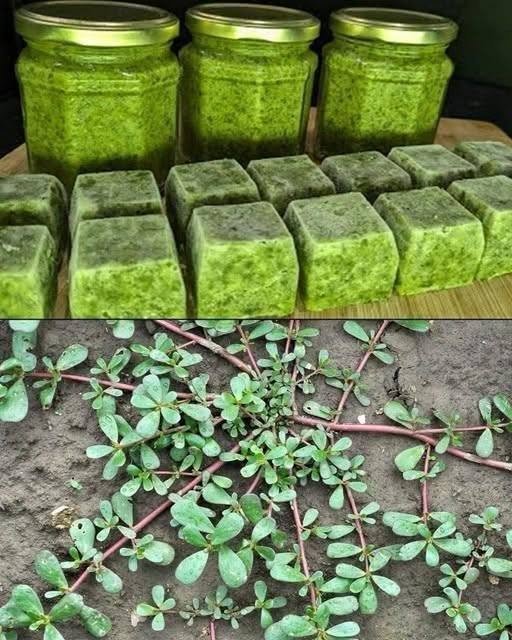
Viral gardening headlines frequently warn against pulling specific wild plants, labeling them a “gold mine” due to their hidden ecological or homeopathic value.
While common volunteer plants like dandelions or mullein are frequently spotlighted in these viral claims—praised by permaculturists and herbalists as “nutrient accumulators” with deep taproots that mine minerals from subsoils and support pollinators—treating every wild plant as an unmitigated asset depends entirely on your landscape goals.
The Ecological “Gold Mine” Perspective
-
Dynamic Accumulators: Many plants dismissed as weeds possess deep root systems that draw up micronutrients like calcium, potassium, and magnesium from deep within the earth, storing them in their leaves. When these plants die back or are chopped down and used as surface mulch (“chop and drop”), those nutrients return to the topsoil in an accessible form for other plants.
-
Soil Indicators and Aerators: Deep-rooting wild plants often target compacted or depleted soils, naturally breaking up hardpan layers with their roots and signaling underlying mineral deficiencies or moisture patterns.
The Practical Horticultural Reality
While these plants offer ecological utility in wild spaces or regenerative agriculture, they can quickly become aggressive competitors in a curated home garden:
-
Seed Dispersal: Left unchecked, prolific seed producers can overwhelm flower beds and vegetable plots, crowding out cultivated crops for sunlight, water, and nutrients.
-
Management: Rather than letting them take over, many gardeners practice selective management—pulling them before they set seed to prevent takeovers, or utilizing them in compost bins to recycle their accumulated minerals back into the garden safely.
