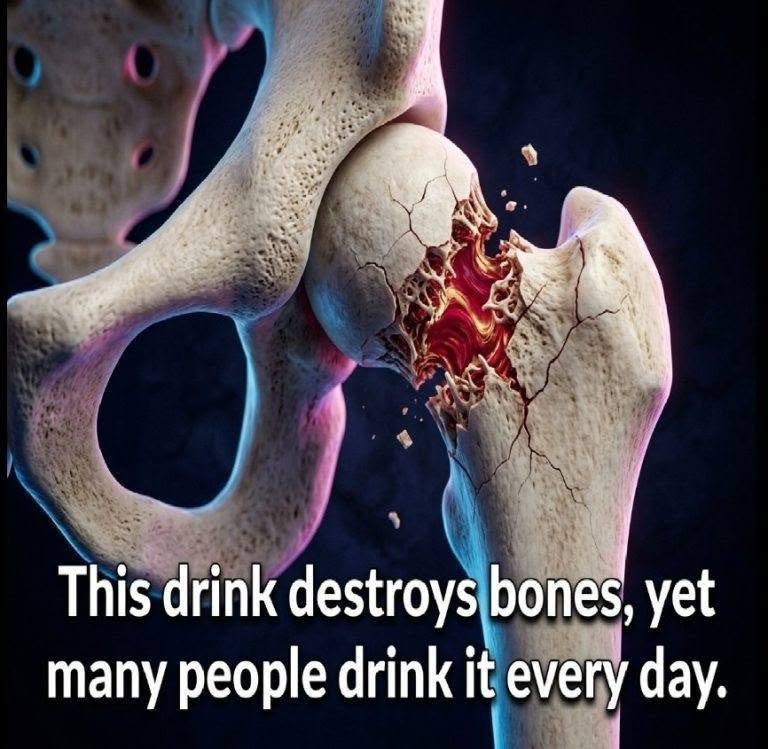
Maintaining optimal bone density requires a delicate balance of minerals—primarily calcium, phosphorus, and magnesium—alongside bone-building hormones and vitamin D. Certain popular beverages can actively interfere with this balance by disrupting calcium absorption, accelerating mineral excretion, or disturbing hormonal production.
According to orthopedic and bone-health specialists, the five drinks most damaging to your long-term bone health include:
1. Dark Colas & Carbonated Soft Drinks
Colas are particularly detrimental to bone mineral density due to a combination of phosphoric acid and added sugars. High amounts of phosphoric acid shift the body’s phosphorus-to-calcium ratio, prompting the body to pull calcium directly from the bones into the bloodstream to maintain equilibrium. Additionally, soda consumption often replaces nutrient-dense, calcium-rich alternatives like milk or fortified plant beverages.
2. Excessive Alcohol
Chronic or heavy alcohol consumption is one of the most significant lifestyle risk factors for osteoporosis. High alcohol intake interferes with the liver and pancreas, impairing their ability to process vitamin D—which is required to absorb calcium from food. It also suppresses osteoblast function (the cells responsible for building new bone tissue) and lowers estrogen levels in women, leading to accelerated bone breakdown.
3. Highly Caffeinated Energy Drinks & Heavy Coffee
While moderate coffee consumption (1–2 cups per day) poses minimal risk if calcium intake is adequate, heavy caffeine intake can compromise bone density. Caffeine acts as a mild diuretic and directly decreases intestinal calcium absorption while increasing the amount of calcium excreted in urine. Energy drinks exacerbate this problem by pairing extreme caffeine doses with high amounts of sodium and refined sugar.
4. High-Sodium Sports & Electrolyte Drinks
While sports drinks are designed to replace lost electrolytes during high-intensity exercise, consuming them routinely as a casual beverage can overload your system with sodium. Your kidneys excrete excess sodium alongside calcium; for roughly every 2,300 mg of sodium flushed out by the body, about 40 mg of essential calcium is lost with it.
5. Sugary Fruit Juices & Sweetened Teas
Fruit juices that lack natural fiber and are loaded with added refined sugars can negatively impact bone remodeling. Spikes in blood sugar foster systemic inflammation and can impair the activity of bone-forming osteoblast cells. Furthermore, high sugar intake increases urinary excretion of both calcium and magnesium, two foundational minerals required to maintain bone mass.
How to Protect Your Bone Density
-
Choose Bone-Supporting Alternatives: Swap dark colas and sugary sports drinks for calcium- and vitamin D-fortified plant milks, dairy products, or plain water infused with fresh fruit.
-
Balance Caffeine with Calcium: If you enjoy coffee or tea, ensure your daily diet includes sufficient calcium sources (such as leafy greens, almonds, yogurt, or fortified foods) to offset minor calcium excretion.
-
Keep Sodium in Check: Limit high-sodium packaged drinks and processed foods to keep your kidneys from wasting stored calcium.
This video provides an expert explanation of common morning beverages that lower bone density and breaks down the exact mechanisms behind mineral loss.
