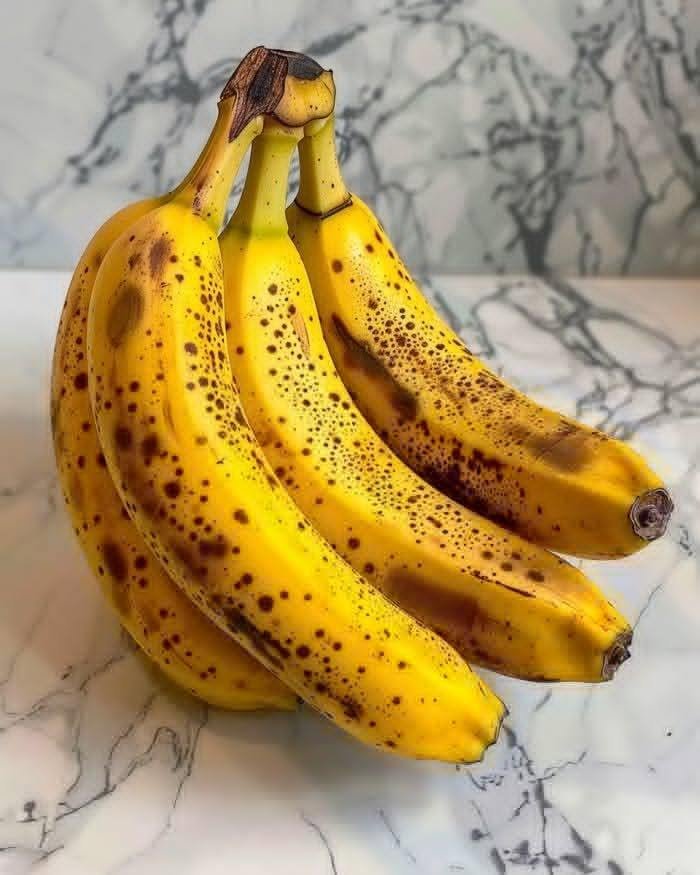
Moving past the basic science of how starches convert into simple sugars and antioxidants, getting the most out of spotted bananas involves mastering their shelf-life, managing their glycemic impact, and utilizing them effectively in your everyday routine.
If you want to turn those speckled bananas into a practical nutritional and culinary asset, here is a strategic guide to storing, pairing, and utilizing them.
Step 1: Mastering the Ripening Timeline (Speeding Up or Slowing Down)
Sometimes you have green bananas that you need to ripen quickly for baking, or perfectly speckled bananas that are heading toward mush before you can use them.
-
How to Speed Up Ripening: Place your firm or green bananas inside a brown paper bag along with an apple or an avocado. Apples and avocados emit high levels of ethylene gas, a natural plant hormone that accelerates the ripening process, giving you beautiful sugar spots within 24 to 48 hours.
-
How to Pause the Process: Once your bananas reach your preferred level of spots, separate them from the bunch (hanging them or cutting them apart slows down ethylene accumulation at the stems). Alternatively, you can pop them into the refrigerator; while the peel will turn completely black due to cold damage, the fruit inside will stay firm and ripe for several more days.
Step 2: Smart Blood Sugar Pairing (Blunting the Glycemic Spike)
Because heavily spotted bananas contain free-flowing simple sugars, they enter the bloodstream rapidly. If you love sweet, spotted bananas but need to manage your blood sugar levels or avoid energy crashes, never eat them completely on their own.
-
The Protein and Fat Buffer: Pair your sliced spotted banana with a source of healthy fats or protein, such as a tablespoon of natural almond or peanut butter, a scoop of full-fat Greek yogurt, or a sprinkle of hemp seeds and chia seeds.
-
Why It Works: Fats and proteins slow down gastric emptying, delaying how fast the sugars hit your small intestine and creating a much steadier, flatter blood sugar curve.
Step 3: The Ultimate Preservation Guide (The Freezer Strategy)
Never throw away heavily speckled or completely brown bananas. As they reach peak sweetness, they are at their absolute culinary prime.
-
The Peel-and-Freeze Method: Peel your overripe spotted bananas, slice them into rounds (or break them into chunks), and toss them into a freezer-safe bag or container.
-
The Payoff: Frozen spotted bananas become the ultimate foundation for healthy, creamy treats. Toss them straight into a high-powered blender with a splash of milk for a 2-ingredient, dairy-free “nice-cream,” or blend them into morning smoothies to add natural sweetness and a thick, velvety texture without needing added sugars or ice.
Step 4: Creative Culinary Uses Beyond Banana Bread
While classic banana bread is a staple for a reason, heavily spotted bananas can replace refined sugars and fats in several other recipes:
-
Natural Oatmeal Binder: Mash a very ripe, spotted banana directly into your morning stovetop oats while they cook. It melts into the grains, imparting intense natural sweetness and creaminess so you don’t need maple syrup or brown sugar.
-
Flourless Pancake Base: Mash one spotted banana and whisk it vigorously with two eggs. Pour small circles onto a hot griddle for simple, protein-packed, naturally sweet 2-ingredient pancakes.
-
Baking Sweetener Substitute: In many muffin or cookie recipes, you can substitute mashed spotted bananas for a portion of the butter or oil, adding moisture while cutting down overall saturated fat.
The Bottom Line
Spotted bananas shouldn’t be viewed as past their prime—they are simply optimized for sweetness, rapid energy, and easy digestion. By managing how you store them, pairing them with the right macronutrients, and keeping your freezer stocked with overripe chunks, you can turn every speckled banana into a healthy, zero-waste kitchen win.
