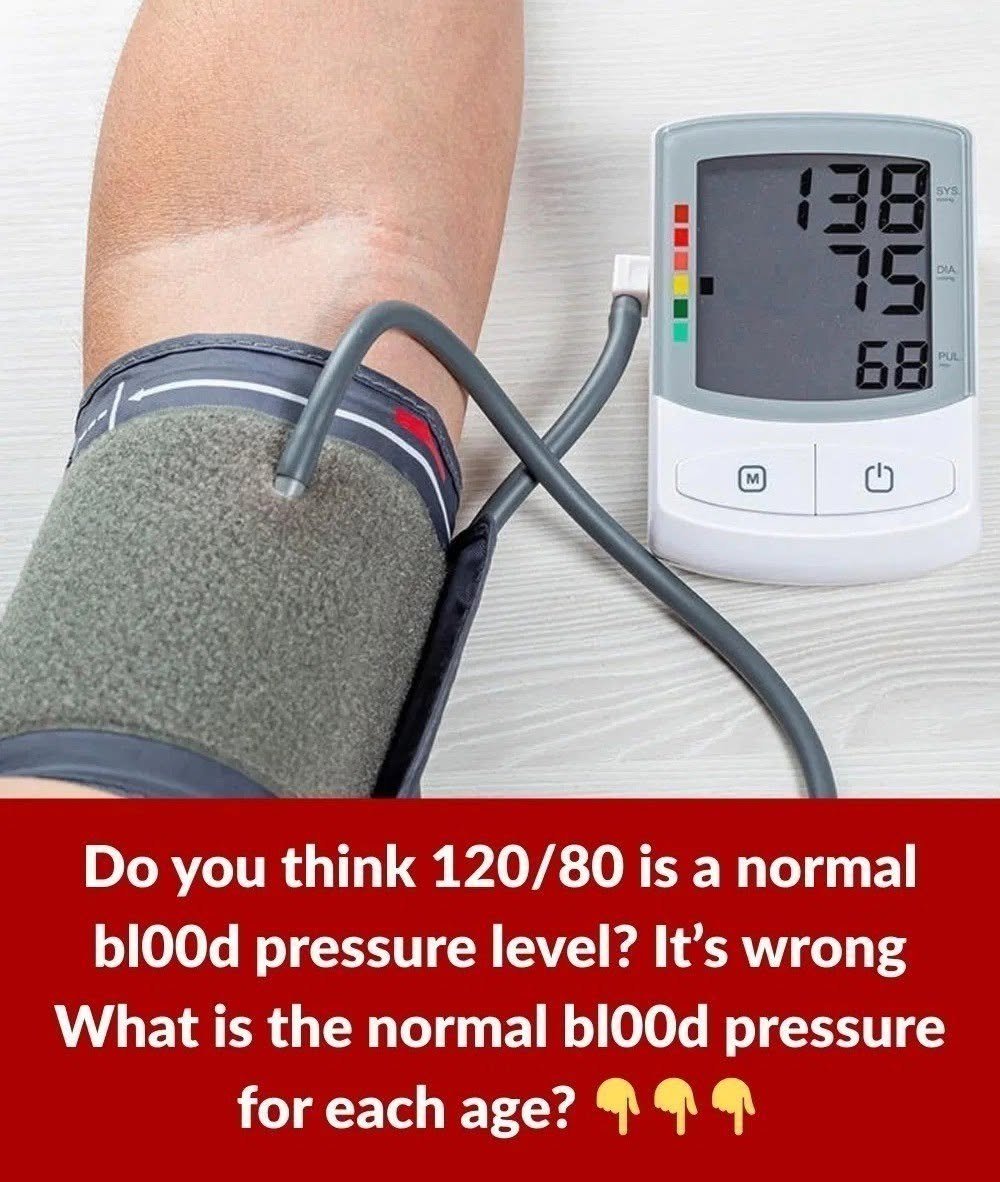
When looking at blood pressure across different stages of life, modern medical consensus draws an important distinction: while average blood pressure naturally drifts upward as people age due to changes in arterial elasticity, the ideal clinical target for cardiovascular health remains the same for all adults.
Here is a breakdown of what constitutes a normal blood pressure across different age groups, how averages shift over time, and what the clinical categories mean.
1. Adults (Ages 18 and Older): The Universal Standard
According to guidelines from major cardiovascular organizations like the American Heart Association (AHA) and the American College of Cardiology (ACC), the gold standard for normal, healthy blood pressure in adults of any age is less than 120/80 mm Hg.
While many people experience a gradual rise in blood pressure as they age, a reading above 120/80 is no longer automatically excused as “normal for your age”—instead, it serves as an early indicator to monitor cardiovascular health.
Average Blood Pressure Trends by Adult Age Bracket:
-
Young Adults (Ages 18–39): Average readings typically hover around 110–120 / 70–80 mm Hg. Because blood vessels are maximally elastic during these years, readings consistently near or above 130/80 warrant lifestyle adjustments.
-
Middle-Aged Adults (Ages 40–59): Averages naturally shift closer to 122–124 / 74–77 mm Hg as blood vessels experience mild, normal stiffening.
-
Older Adults (Ages 60 and Older): Average resting readings frequently drift higher (often around 130–139 / 70–80 mm Hg). While minor increases can accompany aging, persistent systolic readings (the top number) at or above 130 mm Hg are classified as Stage 1 hypertension. (Note: For frail older adults, physicians sometimes tailor targets individually to prevent dizziness or fainting).
2. Children and Adolescents (Ages 1 to 17)
Unlike adults who have a fixed numerical standard, normal blood pressure for children and teenagers depends on age, height, and biological sex. Pediatricians use specialized growth charts to determine exact percentiles. General averages include:
-
Infants (1 to 12 months): Roughly 87–105 / 53–66 mm Hg
-
Toddlers & Preschoolers (1 to 5 years): Roughly 95–110 / 56–70 mm Hg
-
School-Aged Children (6 to 11 years): Roughly 97–112 / 57–71 mm Hg
-
Adolescents (12 to 17 years): Roughly 112–128 / 66–80 mm Hg
(For youth, a normal reading is defined as being below the 90th percentile for their specific age, height, and sex).
Understanding the Official Adult Blood Pressure Categories
If you are measuring your blood pressure at home or at a clinic, healthcare providers categorize readings into five distinct stages:
-
Normal: Less than 120 / 80 mm Hg
-
Elevated: Systolic between 120–129 AND Diastolic less than 80 mm Hg (A warning sign that hypertension may develop without lifestyle changes).
-
Stage 1 Hypertension: Systolic between 130–139 OR Diastolic between 80–89 mm Hg
-
Stage 2 Hypertension: Systolic 140 mm Hg or higher OR Diastolic 90 mm Hg or higher
-
Hypertensive Crisis: Systolic higher than 180 AND/OR Diastolic higher than 120 mm Hg (Requires immediate emergency medical evaluation).
Why Does Blood Pressure Rise with Age?
As people age, large elastic arteries (such as the aorta) gradually accumulate collagen and lose elastin. This structural stiffening means the arteries cannot expand as easily when the heart pumps blood, causing the systolic pressure (the top number representing pressure during a heartbeat) to rise. Regular aerobic exercise, maintaining a healthy weight, managing sodium intake, and staying properly hydrated help preserve arterial flexibility over time.
