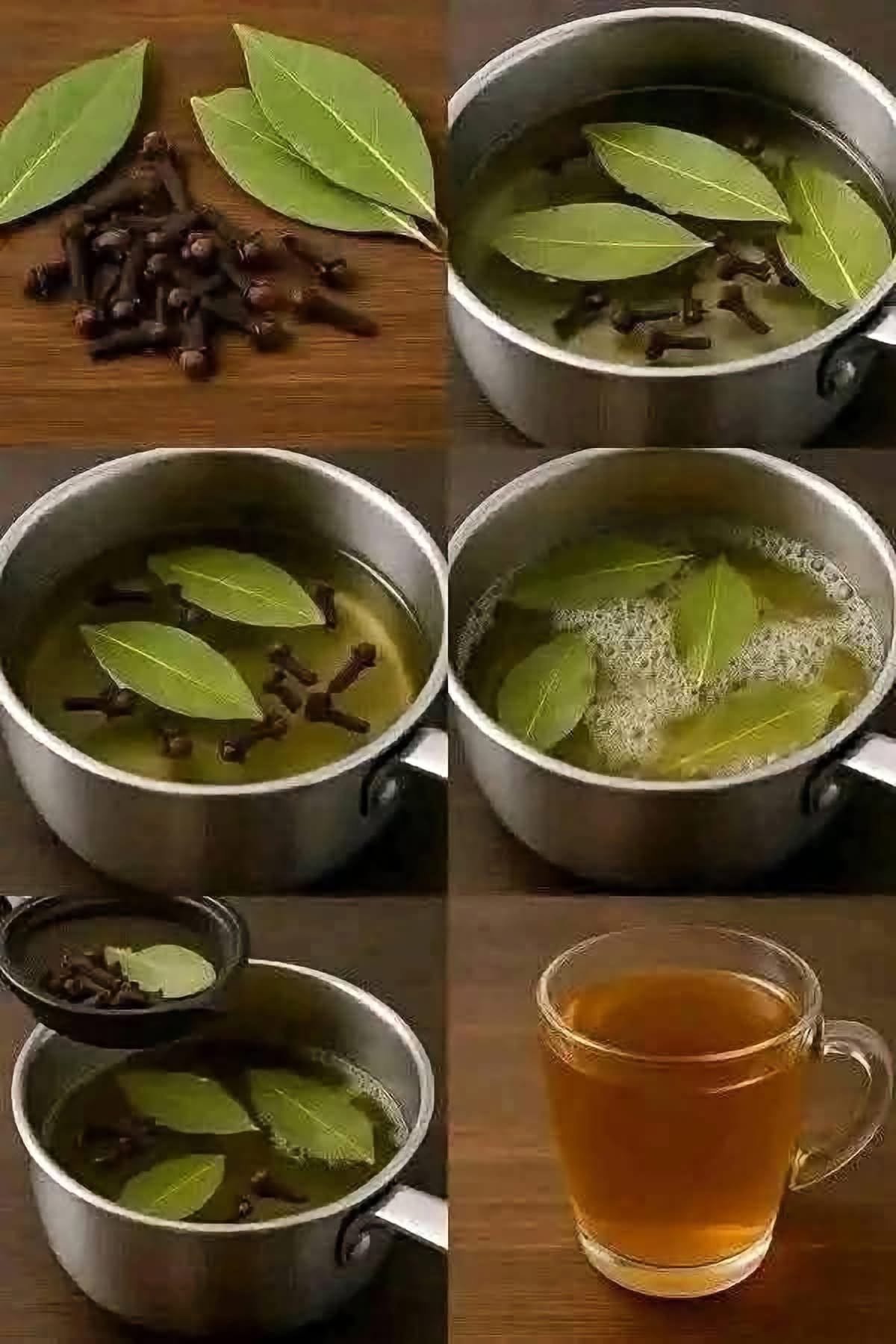
The desire to eradicate cancer and protect vision is a universal human hope, driven by the profound toll these conditions take on individuals and families. However, from a medical and scientific standpoint, it is vital to address claims regarding “recipes” or home remedies that promise to remove all cancer cells from the body or cure vision loss.
While nutrition plays a powerful, foundational role in supporting overall health, strengthening the immune system, and reducing chronic disease risk, no single food, supplement, or recipe can cure cancer or reverse complex vision loss.
Understanding why cancer requires advanced medical intervention—and how nutrition actually supports the body—helps clarify the boundary between wellness habits and evidence-based oncology.
The Biological Reality of Cancer
Cancer is not a single disease, but a vast and complex group of more than 200 distinct conditions characterized by the uncontrolled growth and spread of abnormal cells.
-
Genetic Mutations: Cancer begins when mutations occur in the DNA within cells, damaging the genetic instructions that control how a cell grows, divides, and dies. These mutated cells evade the body’s natural regulatory checkpoints, multiplying rapidly to form tumors or disrupting normal blood and organ function (as in leukemias).
-
Systemic Complexity: Because cancer cells are rogue versions of the body’s own cells, they can hide from the immune system, build their own blood supply (angiogenesis), and spread (metastasize) to distant organs. No dietary compound can selectively target, isolate, and destroy these complex cellular mutations throughout the body.
Why Evidence-Based Oncology Is Essential
Because cancer involves aggressive, autonomous cellular replication, treating it requires precise medical tools designed to disrupt cancer cell division or harness the immune system:
-
Surgery: Physically removing localized tumor masses.
-
Radiation Therapy: Using high-energy beams to damage the DNA of cancer cells in a targeted area.
-
Chemotherapy & Targeted Therapy: Using systemic medications that interfere with the specific biochemical pathways cancer cells use to grow and multiply.
-
Immunotherapy: Re-educating or boosting the patient’s own immune system to recognize and attack cancer cells.
Relying on unverified “cures” or dietary shortcuts instead of these medical treatments can allow cancer to advance unchecked, drastically lowering survival outcomes.
The Role of Nutrition: Supportive Care vs. Cure
While food cannot cure cancer, medical nutrition plays a critical, evidence-backed role in comprehensive cancer care:
-
Reducing Inflammation: Diets rich in antioxidants, phytochemicals, and fiber (such as the Mediterranean pattern) help lower systemic inflammation and oxidative stress, which creates a less hospitable environment for chronic disease development.
-
Supporting Treatment Tolerance: During active cancer treatment, specialized nutritional support helps patients maintain muscle mass, manage side effects, and keep their immune systems strong enough to endure chemotherapy, radiation, or surgery.
-
Cancer Prevention: Public health organizations estimate that a significant percentage of cancer cases are preventable through lifestyle factors—such as avoiding tobacco, limiting alcohol, maintaining a healthy weight, protecting skin from UV radiation, and eating a nutrient-dense, plant-forward diet. However, prevention is a long-term risk-reduction strategy, not an acute treatment.
Understanding Vision Loss
Like cancer, vision loss is driven by diverse and often progressive physiological mechanisms, including macular degeneration, glaucoma, diabetic retinopathy, cataracts, and genetic retinal dystrophies.
-
While eating foods rich in vitamins A, C, E, zinc, and carotenoids (like lutein and zeaxanthin found in leafy greens) supports long-term retinal health and can slow the progression of certain age-related eye conditions, it cannot reverse established structural damage, clear cataracts, or cure conditions like glaucoma.
-
Protecting and treating vision requires regular comprehensive examinations by an optometrist or ophthalmologist for early detection and medical management (such as prescription eye drops, laser therapy, or microsurgery).
The Bottom Line
Compassion means steering people toward safe, proven medical care. When faced with serious diagnoses like cancer or vision decline, the most powerful tool available is modern, evidence-based medicine combined with a supportive, nutrient-rich lifestyle—ensuring patients receive the real, clinical interventions necessary to save lives and protect sight.
