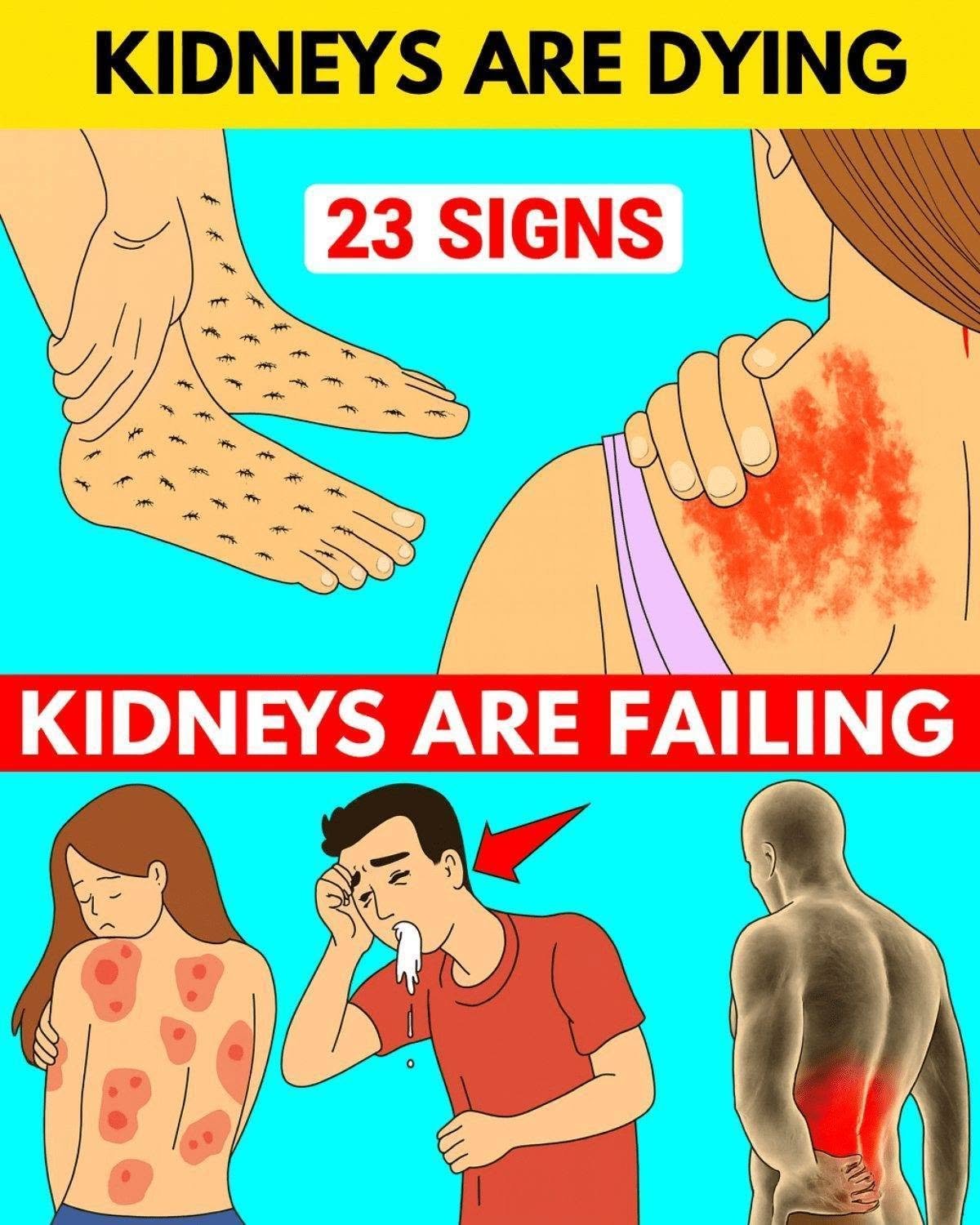
Chronic kidney disease (CKD) is often termed a “silent” illness because the kidneys possess a remarkable ability to compensate for declining function. In fact, individuals can lose up to 90% of their kidney function before classic, severe symptoms emerge.
However, as waste products (uremic toxins), excess fluids, and electrolyte imbalances accumulate in the bloodstream, the body displays subtle, strange, and often overlooked warning signs.
Here are 23 unexpected signals that your kidneys may be struggling:
1. Foamy or Bubbly Urine
Persistent, thick foam in the toilet bowl—resembling scrambled egg white foam—indicates proteinuria (excess protein, specifically albumin, leaking through damaged glomeruli into your urine).
2. Periorbital Edema (Persistent Eye Puffiness)
When damaged kidneys leak large amounts of protein into the urine rather than keeping it in the bloodstream, lowered blood protein levels cause fluid to leak into delicate tissues, manifesting as prominent, persistent puffiness around the eyes.
3. Metallic Taste in the Mouth (Dysgeusia)
A buildup of nitrogenous waste products in the blood (uremia) can alter saliva composition, leaving a persistent metallic, bitter, or chemical taste in your mouth and causing food to taste completely different.
4. Ammonia Breath (Uremic Fetor)
As urea levels rise in the bloodstream, bacteria in your saliva break it down into ammonia, causing breath that smells faintly of urine, ammonia, or stale fish.
5. Severe, Deep Skin Itching (Uremic Pruritus)
Beyond basic dry skin, uremic pruritus is an intense, deep-seated itch that feels beneath the skin surface. It is caused by the kidneys’ inability to balance blood levels of phosphorus and calcium, along with accumulated uremic toxins.
6. Chronically Cold Extremities
Impaired kidney function leads to a drop in erythropoietin (EPO)—a hormone that signals bone marrow to manufacture red blood cells. The resulting anemia means less oxygen is delivered to your body, leaving you feeling cold even in warm rooms.
7. Sudden Meat Aversion
Due to the body’s inability to clear protein breakdown products (like blood urea nitrogen), many individuals with early uremia experience a sudden, unexplainable disgust for protein-dense foods, particularly red meat.
8. “Sinking” Sock Elastic Marks (Ankle Edema)
When kidneys fail to excrete excess sodium and water, fluid pools in dependent extremities due to gravity. Deep, lingering indentations left by sock bands or shoes are classic signs of peripheral edema.
9. Unexplained Hiccups
Intractable or frequent bouts of hiccups can occur when uremic toxins irritate the phrenic nerve or diaphragm muscle, triggering involuntary spasms.
10. “Restless Legs” Syndrome (RLS)
Toxin accumulation alongside electrolyte shifts (such as calcium and iron alterations) frequently affects the central and peripheral nervous systems, causing an irresistible urge to move the legs, particularly at night.
11. Nighttime Urination Urges (Nocturia)
When the kidney’s tubule filters lose their ability to concentrate urine, your body produces larger volumes of diluted urine at night, disrupting sleep with frequent trips to the bathroom.
12. Sudden Changes in Urine Color
Clear blood in the urine (hematuria) turns it pink or red, while older blood or high concentrations of protein and bilirubin can turn urine a tea, cola, or dark amber shade.
13. Brain Fog and Poor Concentration
Uremic toxins crossing the blood-brain barrier combined with anemia-induced oxygen deprivation can trigger memory lapses, mild confusion, and difficulty focusing on basic tasks.
14. Unprovoked Muscle Twitching and Cramping
Impaired kidneys alter the delicate balance of blood electrolytes—specifically calcium, sodium, and potassium. Low ionized calcium or poorly controlled phosphorus frequently causes painful involuntary leg or foot cramps.
15. Ammonia-Like or Uremic “Sweat”
In severe cases of advanced uremia, high levels of urea in sweat evaporate on the skin, leaving fine, white crystalline deposits known as “uremic frost.”
16. Early Morning Nausea or Dry Heaving
The accumulation of waste products in the blood irritates the gastric lining and brain signaling centers, causing nausea and retching, especially first thing in the morning.
17. Shortness of Breath (Even Without Exertion)
Fluid retention can build up in the air sacs of the lungs (pulmonary edema), while severe anemia reduces oxygen delivery. This makes lying flat or walking short distances feel surprisingly exhausting.
18. A Scratchy, Flank-Area Ache
While the kidney tissue itself has no pain receptors, stretching of the renal capsule—due to inflammation, stones, infection, or polycystic kidney disease—causes a dull, persistent ache in the upper back or flank, just below the ribcage.
19. Easy Bruising or Bleeding
High levels of uremic toxins interfere with normal blood platelet function, making blood vessels fragile and leading to unexpected bruising or prolonged bleeding from small cuts.
20. A “Sallow” or Pale/Greyish Skin Tone
The combination of chronic anemia (causing paleness) and pigment deposits (urochromes) accumulating in the skin creates a subtle yellowish, sallow, or greyish cast.
21. Sleep Apnea and Severe Snoring
Fluid retention in the upper airway tissues, paired with central nervous system alterations from toxin buildup, drives a surprisingly high rate of obstructive sleep apnea in people with declining kidney function.
22. Loss of Appetite and Early Satiety
Uremic toxicity signals the brain’s satiety centers that the body is “full,” leading to a gradual loss of appetite, unintended weight loss, and feeling uncomfortably full after only a few bites of food.
23. Resistance to Blood Pressure Medications
Because the kidneys regulate systemic fluid volume and produce renin (a key blood-pressure-controlling hormone), declining kidney function often causes a sudden, unexplained spike in blood pressure that becomes resistant to previously effective medications.
When to Seek Evaluation
Because many of these symptoms can overlap with other conditions, simple clinical screening is the only definitive way to evaluate kidney health. A basic evaluation typically includes:
-
Serum Creatinine & eGFR: Blood tests measuring filtering capacity.
-
Urine Albumin-to-Creatinine Ratio (uACR): A urine test detecting early protein leakage.
-
Comprehensive Metabolic Panel (CMP): Checking electrolyte balance.
If you notice a combination of these unusual symptoms—especially if you have underlying risk factors like high blood pressure, diabetes, or a family history of kidney disease—discuss them with your doctor for prompt evaluation.
