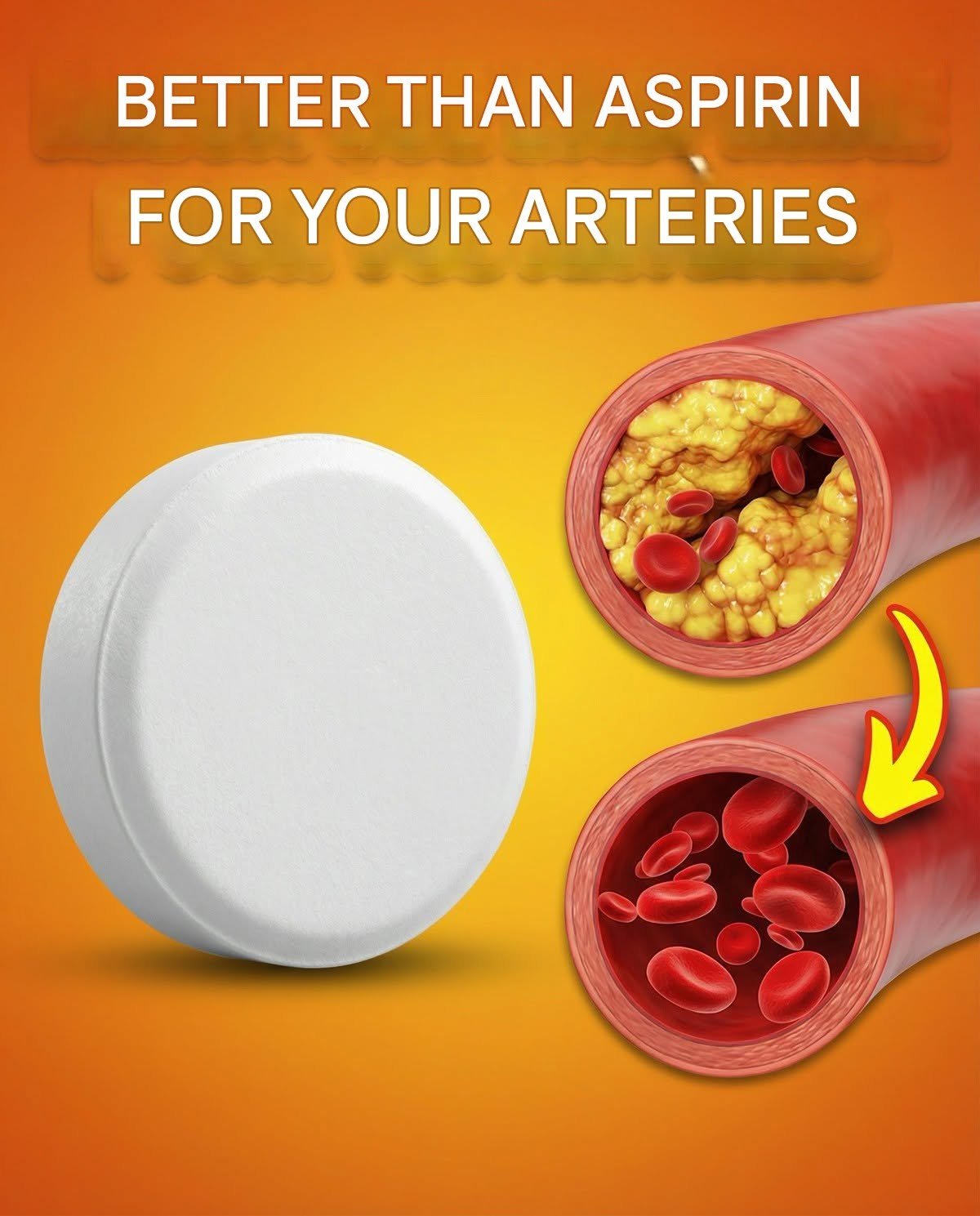
While no single food acts like a plumbing snake to instantly dissolve advanced arterial plaque, incorporating specific, nutrient-dense foods into your daily diet can powerfully prevent new plaque from forming, lower blood pressure, reduce inflammation, and improve the flexibility of your blood vessels.
The top natural foods backed by cardiovascular science for keeping your arteries clean and healthy include:
1. Garlic (The Vascular Protector)
-
How it works: Garlic contains allicin, an active sulfur compound that is released when a clove is crushed or chopped. Allicin helps relax blood vessel walls, lowers LDL (“bad”) cholesterol, and prevents platelets from clumping together.
-
The Clinical Benefit: Research suggests that regular garlic consumption can slow down arterial calcification and reduce the buildup of soft plaque inside coronary arteries.
-
How to use it: Crush or mince raw garlic and let it rest for 10 minutes before cooking to maximize its allicin content.
2. Dark Leafy Greens (Nitric Oxide Boosters)
-
Examples: Spinach, kale, arugula, and Swiss chard.
-
How it works: These greens are loaded with natural dietary nitrates. Once consumed, your body converts these nitrates into nitric oxide, a crucial molecule that signals the smooth muscles in your blood vessel walls to dilate and widen.
-
The Clinical Benefit: Higher nitric oxide levels improve overall blood flow, reduce blood pressure, and protect the delicate inner lining of your arteries (the endothelium) from microscopic damage.
3. Fatty Fish (Omega-3 Anti-Inflammatory Agents)
-
Examples: Salmon, mackerel, sardines, and anchovies.
-
How it works: These fish provide high amounts of long-chain omega-3 fatty acids (EPA and DHA).
-
The Clinical Benefit: Omega-3s dramatically lower systemic inflammation, decrease blood triglycerides, and stop inflammatory white blood cells from sticking to arterial walls, preventing the initial stages of plaque development.
4. Extra Virgin Olive Oil (Polyphenol Protection)
-
How it works: A staple of the heart-healthy Mediterranean diet, extra virgin olive oil is rich in monounsaturated fats and powerful antioxidant polyphenols.
-
The Clinical Benefit: Its antioxidants protect LDL cholesterol from oxidation. Oxidized LDL is the dangerous, damaged form of cholesterol that embeds itself into artery walls and triggers plaque growth.
5. Berries and Pomegranates (Antioxidant Shields)
-
Examples: Blueberries, blackberries, raspberries, and pomegranates.
-
How it works: Rich in anthocyanins and potent polyphenols, these fruits combat oxidative stress throughout the cardiovascular system.
-
The Clinical Benefit: Studies show that pomegranate juice and berries can help stimulate nitric oxide production, reduce arterial stiffness, and support the regression of fatty deposits in blood vessels.
6. Oats and Whole Grains (Cholesterol Binders)
-
How it works: Oats contain a specific type of soluble fiber called beta-glucan.
-
The Clinical Benefit: Beta-glucan forms a gel-like matrix in your digestive tract that binds to cholesterol-rich bile acids and carries them out of your body. This forces your liver to pull circulating LDL cholesterol out of your bloodstream to make new bile, naturally lowering your blood cholesterol levels.
A Comprehensive Approach
While eating these foods creates a powerful internal defense system, keeping your arteries clean is most effective when paired with regular physical activity, stress management, avoiding tobacco, and keeping blood pressure and blood sugar tightly controlled.
