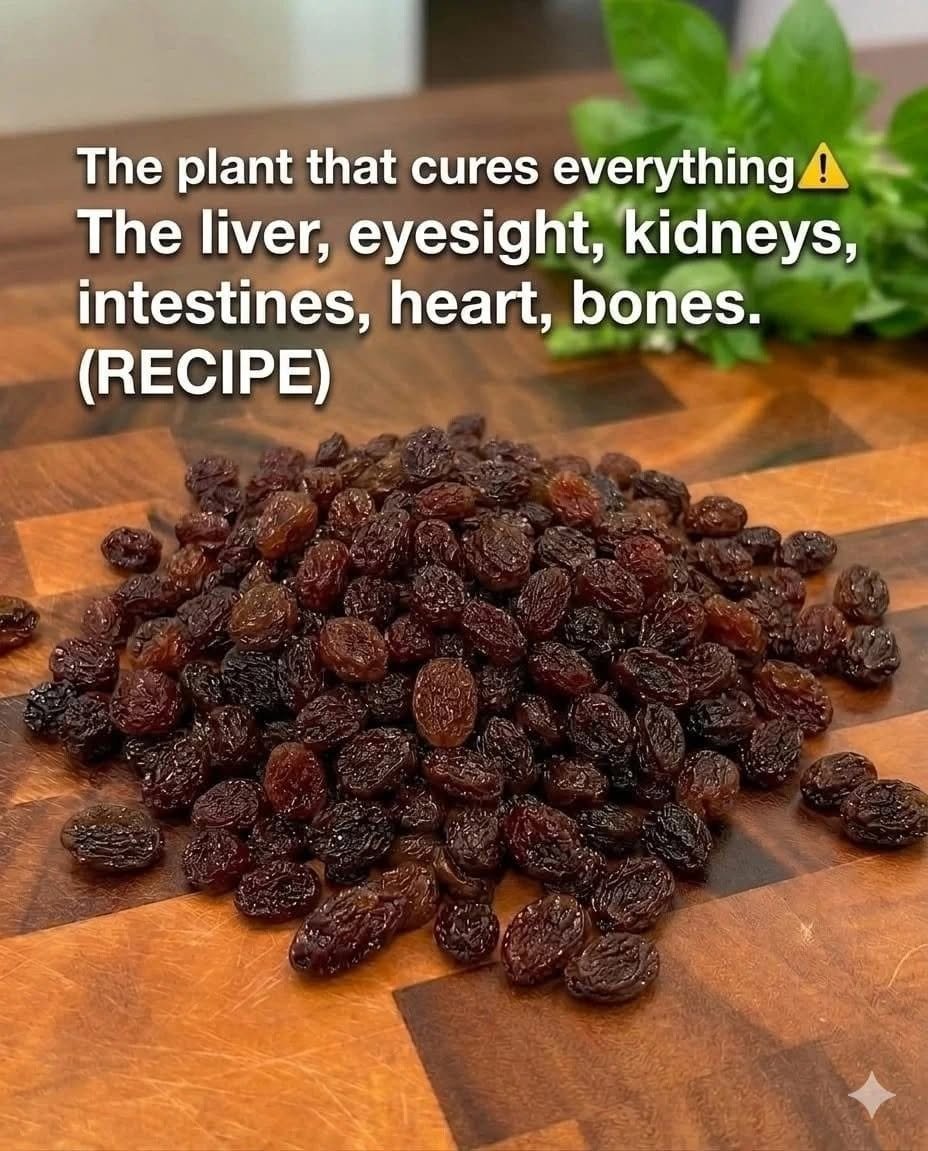
The idea of a single plant that can cure every disease across multiple major organs—the liver, eyesight, kidneys, intestines, heart, and bones—is a perennial folk medicine myth.
While many medicinal plants and nutrient-dense foods offer valuable support for specific bodily systems, no single botanical organism can cure every condition or act as a universal remedy for all organs.
Why the “Multi-Organ Cure-All” Myth Persists
-
The Trap of Broad Antidotes: Many traditional herbs (such as garlic, turmeric, or moringa) contain powerful antioxidants and anti-inflammatory compounds. Because inflammation plays a role in many chronic conditions, reducing it can benefit several organs at once. Marketers and folklore often stretch these broad, supportive benefits into exaggerated claims of “curing” diseases.
-
Confusing “Support” with “Cure”: Eating a balanced diet rich in vegetables, fruits, and herbs can support kidney function, protect heart health, or strengthen bones over time. However, supporting an organ’s natural physiological maintenance is entirely different from curing a pathological disease (like chronic kidney failure, glaucoma, or coronary artery disease).
-
Targeted Organ Needs: Every organ in the human body has vastly different biological structures and disease mechanisms. A compound that protects liver cells (hepatoprotective) functions completely differently from a mineral matrix that strengthens bone density or an optical nerve pathway. No single chemical constituent can simultaneously treat liver cirrhosis, repair kidney nephrons, and reverse heart blockages.
Real, Evidence-Based Ways to Support These Organs
Instead of looking for a single miraculous plant, medical science points to targeted, sustainable lifestyle habits to protect individual organ systems:
-
For the Liver & Kidneys: Prioritize proper hydration, limit processed foods and excess alcohol, and avoid overusing nonsteroidal anti-inflammatory drugs (NSAIDs) like ibuprofen, which can strain both organs.
-
For the Heart & Intestines: Eat a high-fiber diet rich in whole grains, leafy greens, and healthy fats, and engage in regular cardiovascular exercise to manage blood pressure and support a healthy gut microbiome.
-
For Bones & Eyes: Ensure adequate intake of calcium, Vitamin D, and weight-bearing exercise for bone strength, and consume antioxidant-rich leafy greens (like spinach and kale) containing lutein and zeaxanthin to protect retinal health.
