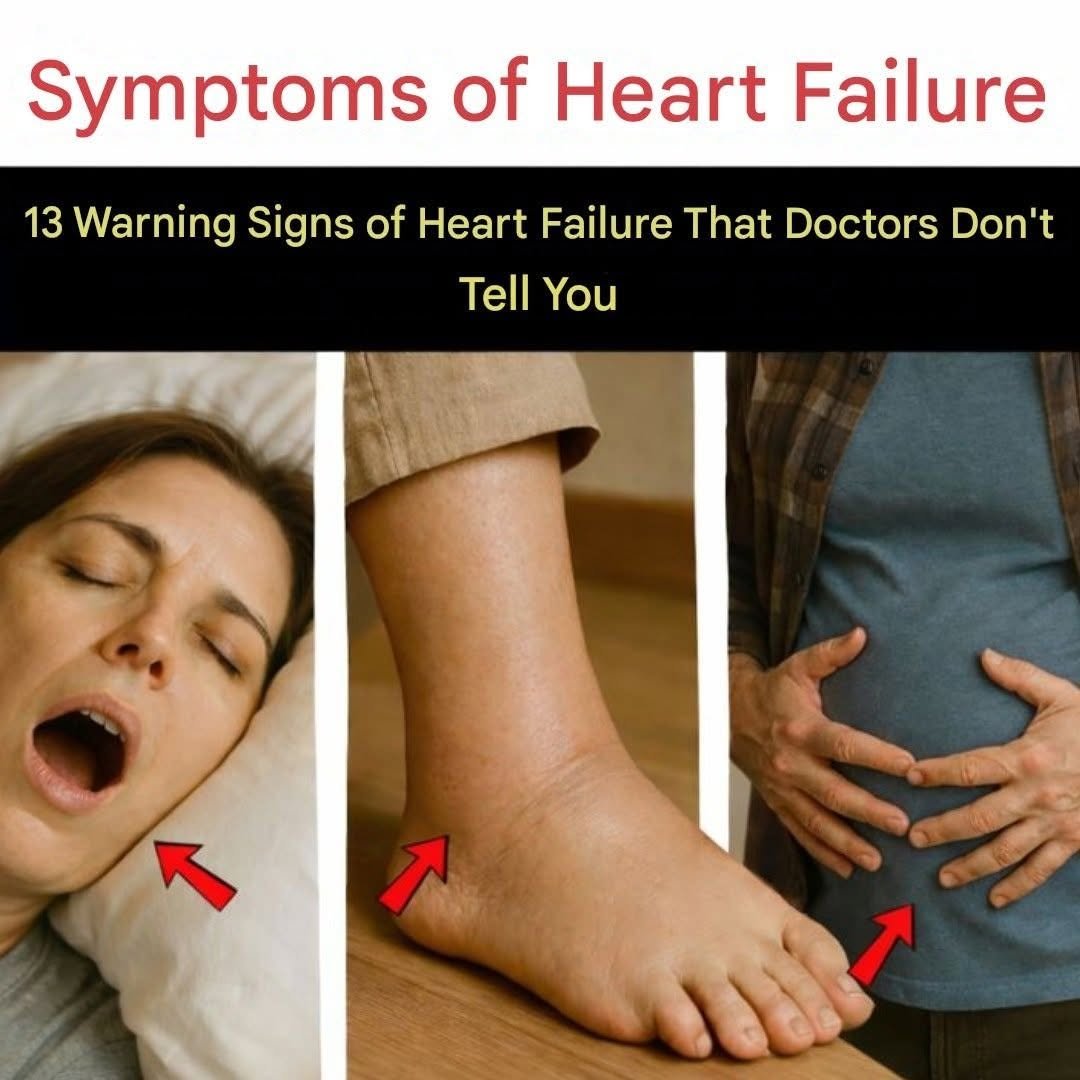
Heart failure does not usually happen overnight; it is a progressive condition where the heart muscle gradually loses its ability to pump blood effectively to meet the body’s demands. Because the heart cannot pump efficiently, blood and fluid can back up into the lungs, liver, and lower extremities.
Recognizing the early warning signs allows for timely medical intervention, which can dramatically slow disease progression, preserve heart muscle function, and prevent life-threatening hospitalizations.
Early Warning Signs Associated with Heart Failure
-
Persistent Shortness of Breath (Dyspnea)
-
What it feels like: Feeling winded during routine activities that used to be easy, such as climbing a flight of stairs, carrying groceries, or even getting dressed.
-
Why it happens: As the heart’s pumping capacity weakens, blood backs up in the pulmonary veins, causing fluid to leak into the air sacs in the lungs.
-
-
Unexplained Fatigue and Weakness
-
What it feels like: An overwhelming sense of exhaustion that doesn’t improve with sleep, making everyday tasks feel monumental.
-
Why it happens: The heart redirects blood flow away from less critical areas (like muscles in the limbs) to prioritize vital organs like the brain and heart, leading to systemic fatigue.
-
-
Swelling (Edema) in the Feet, Ankles, Legs, or Abdomen
-
What it feels like: Shoes feeling unusually tight, or leaving deep indentations (pitting edema) in the skin when socks or shoes are removed at the end of the day.
-
Why it happens: Poor circulation causes blood flow returning to the heart to slow down, leading fluid to seep out of blood vessels and pool in the lower extremities due to gravity.
-
-
Rapid Weight Gain and Fluid Retention
-
What it happens: Gaining 2 to 3 pounds over a couple of days, often accompanied by abdominal bloating or a feeling of fullness.
-
Why it happens: This sudden fluctuation is rarely fat tissue; rather, it is excess fluid accumulating in the body because the kidneys are not receiving adequate blood flow and are retaining water and sodium.
-
-
Persistent Cough or Wheezing
-
What it feels like: A hacking cough that produces white or pink-tinged, frothy mucus, often worsening when lying flat at night.
-
Why it happens: Fluid congestion in the lungs irritates respiratory passages, triggering a chronic cough.
-
-
Rapid or Irregular Heartbeat (Palpitations)
-
What it feels like: Feeling your heart racing, pounding, or skipping beats while at rest.
-
Why it happens: The heart attempts to compensate for its weakened pumping action by beating faster or altering its rhythm to maintain adequate blood flow to the body.
-
-
Increased Need to Urinate at Night (Nocturia)
-
What it feels like: Waking up multiple times throughout the night to empty your bladder.
-
Why it happens: When you lie flat, fluid that pooled in your swollen legs during the day re-enters the bloodstream, and the kidneys can finally filter it out more efficiently when the body is horizontal.
-
The Importance of Detecting Heart Failure Early
-
Prevents Permanent Heart Remodeling: When heart failure is caught early, lifestyle changes, dietary sodium restrictions, and medications (such as ACE inhibitors, beta-blockers, or SGLT2 inhibitors) can stop or even reverse the thickening and enlargement of the heart muscle.
-
Reduces Hospitalizations: Early management prevents acute decompensation—sudden, severe fluid overload crises that require emergency room visits and intensive hospital stays.
-
Preserves Quality of Life: Catching the syndrome early helps maintain physical independence, reduces debilitating fatigue, and allows individuals to continue enjoying daily activities without severe breathlessness.
-
Lowers Mortality Risk: Heart failure is a serious condition, but proactive management in its early stages dramatically improves long-term survival rates and overall cardiovascular stability.
