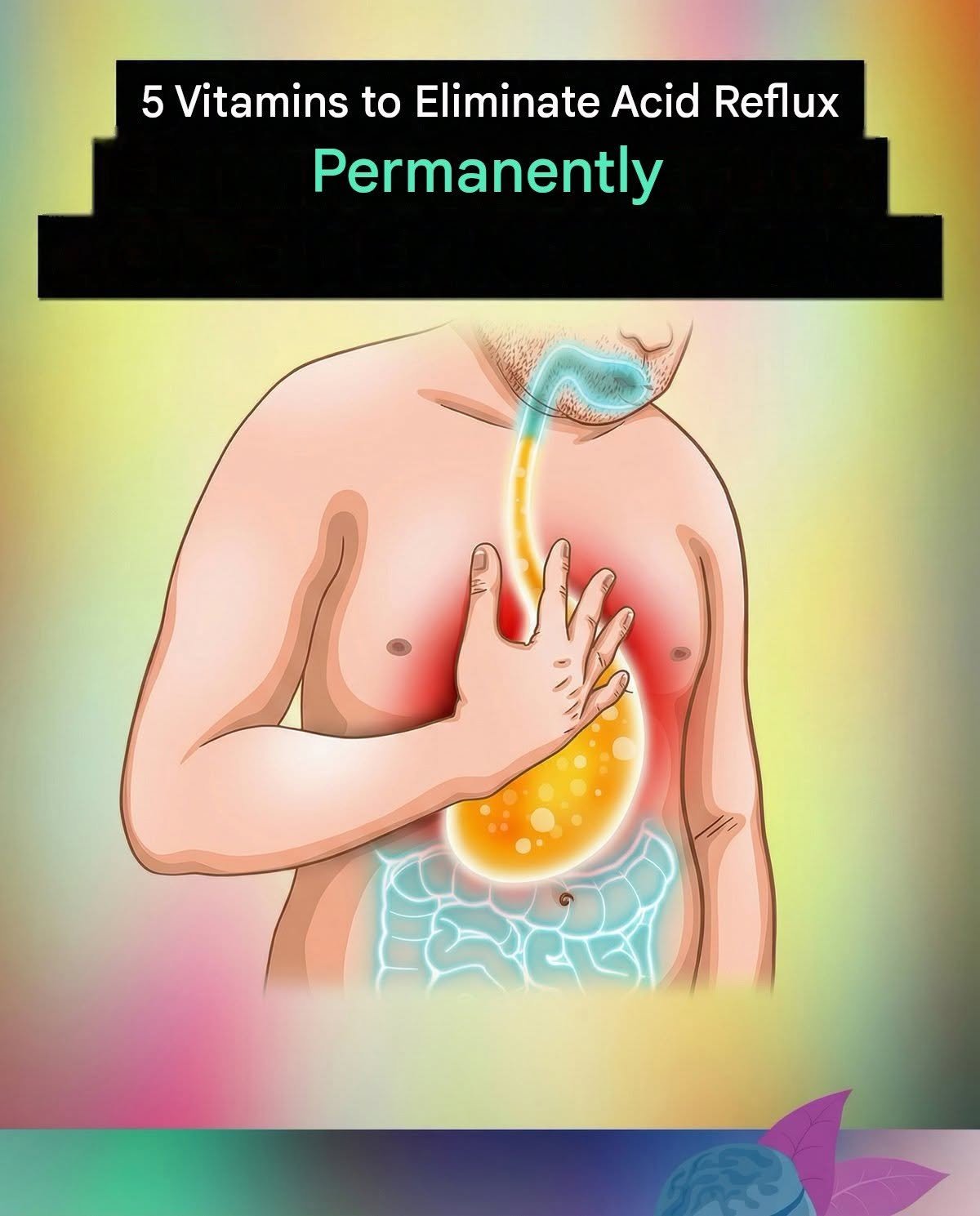
While managing acid reflux and GERD primarily relies on dietary adjustments and lifestyle habits, specific vitamins and micronutrients can help support esophageal tissue, lower inflammation, and promote healthy digestive function.
Here are 5 key vitamins and nutrients commonly recommended to support natural relief from acid reflux:
1. Vitamin D
Vitamin D plays an essential role in modulating immune function and systemic inflammation, while also supporting smooth muscle health throughout the gastrointestinal tract. This includes the lower esophageal sphincter (LES)—the muscular valve responsible for keeping stomach acid from washing back up into the esophagus. Ensuring optimal Vitamin D levels helps support proper muscular tone in the digestive tract.
2. Vitamin B Complex (B6 and B12)
The B vitamin family is crucial for nervous system regulation and normal gut motility. Furthermore, chronic acid reflux or the long-term use of acid-suppressing medications (such as proton pump inhibitors) can deplete certain B vitamins. Supplementing with a balanced B-complex helps maintain cellular energy, mucosal lining health, and proper neural control of digestion.
3. Vitamin C (Buffered Form)
Vitamin C is a powerful antioxidant that aids in the cellular repair and maintenance of mucosal tissues in the esophagus irritated by stomach acid.
-
Important Note: Standard ascorbic acid supplements can irritate a sensitive stomach. Always opt for a buffered, non-acidic form (such as calcium ascorbate or sodium ascorbate) to reap its healing benefits without triggering acute heartburn.
4. Vitamin A
Vitamin A is vital for the health and regeneration of mucosal membranes throughout the body. Adequate levels support the repair of the epithelial lining in the esophagus and stomach, strengthening the body’s natural barrier against acid erosion and micro-tears.
5. Zinc Carnosine
While technically a mineral rather than a vitamin, zinc when bound to L-carnosine is a staple in integrative digestive care. Zinc carnosine adheres directly to the upper GI lining, forming a protective, soothing coating that shields irritated tissue from acid damage, reduces local inflammation, and accelerates healing.
⚠️ Best Practices for Acid Reflux Management
-
Watch Your Triggers: Always take supplements with plenty of water, and avoid taking Vitamin C or multivitamins with acidic fruit juices (like orange or grapefruit), which will instantly provoke heartburn.
-
Consult Your Doctor: Acid reflux can stem from various root causes, including low stomach acid or hiatal hernias. Always consult a healthcare professional before starting new supplements to ensure they fit your specific needs and won’t interact with current medications.
