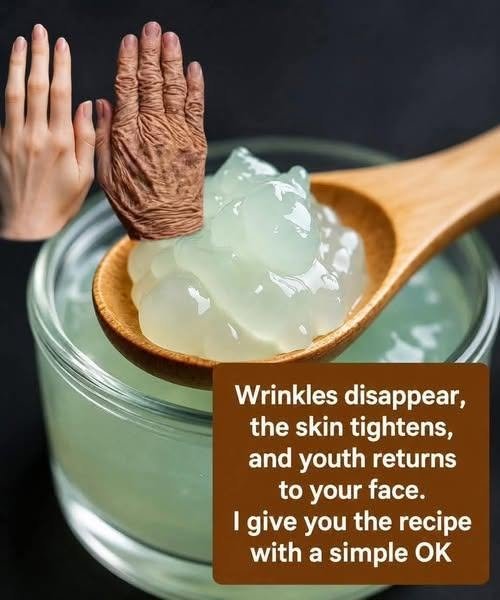
That headline captures the irresistible appeal of the multi-billion-dollar anti-aging industry, which relies on dramatic promises to sell everything from topical creams and serums to high-tech gadgets and intensive procedures.
While advanced dermatology, consistent skincare routines, and healthy lifestyle habits can significantly improve skin texture, boost collagen production, and soften the appearance of fine lines, no product or non-surgical treatment can permanently reverse aging or completely erase wrinkles overnight.
Here is a look at what is actually happening behind those bold marketing claims, alongside evidence-based ways to support healthy, youthful skin:
The Reality Behind “Instant Youth” Claims
-
Temporary Plumping: Many quick-fix anti-aging serums or temporary tightening creams use ingredients like silicates or polymers. As these ingredients dry on the skin, they contract, creating an immediate, temporary tightening effect that smooths out fine lines. However, this effect washes off at the end of the day.
-
Moisture vs. Reversal: Products containing hyaluronic acid or glycerin draw moisture into the outer layer of the skin (the stratum corneum). This instantly plumps up dehydrated skin cells, making fine lines far less noticeable, but it is a hydration effect rather than a structural reversal of aging.
Science-Backed Ways to Support Healthy, Firm Skin
If your goal is long-term skin health, radiance, and elasticity, dermatology points to a few gold-standard ingredients and habits:
-
Daily Sun Protection (SPF): Up to 90% of visible skin aging—including wrinkles, loss of elasticity, and hyperpigmentation—is driven by ultraviolet (UV) radiation from the sun. Wearing a broad-spectrum SPF daily is the single most effective “anti-aging” step available.
-
Retinoids (Retinol or Tretinoin): Vitamin A derivatives are proven to accelerate cellular turnover, stimulate collagen synthesis, and improve skin texture over time, gradually softening fine lines and deep wrinkles.
-
Hydration and Antioxidants: Maintaining internal hydration and using topical antioxidants like Vitamin C helps protect skin cells from oxidative stress and free radical damage caused by pollution and sun exposure.
-
Nutrient-Dense Nutrition: Skin elasticity depends heavily on dietary building blocks. Consuming adequate protein, healthy fats (like omega-3s found in salmon and walnuts), and vitamin-rich fruits and vegetables provides the essential raw materials your body uses to build and repair collagen fibers.
