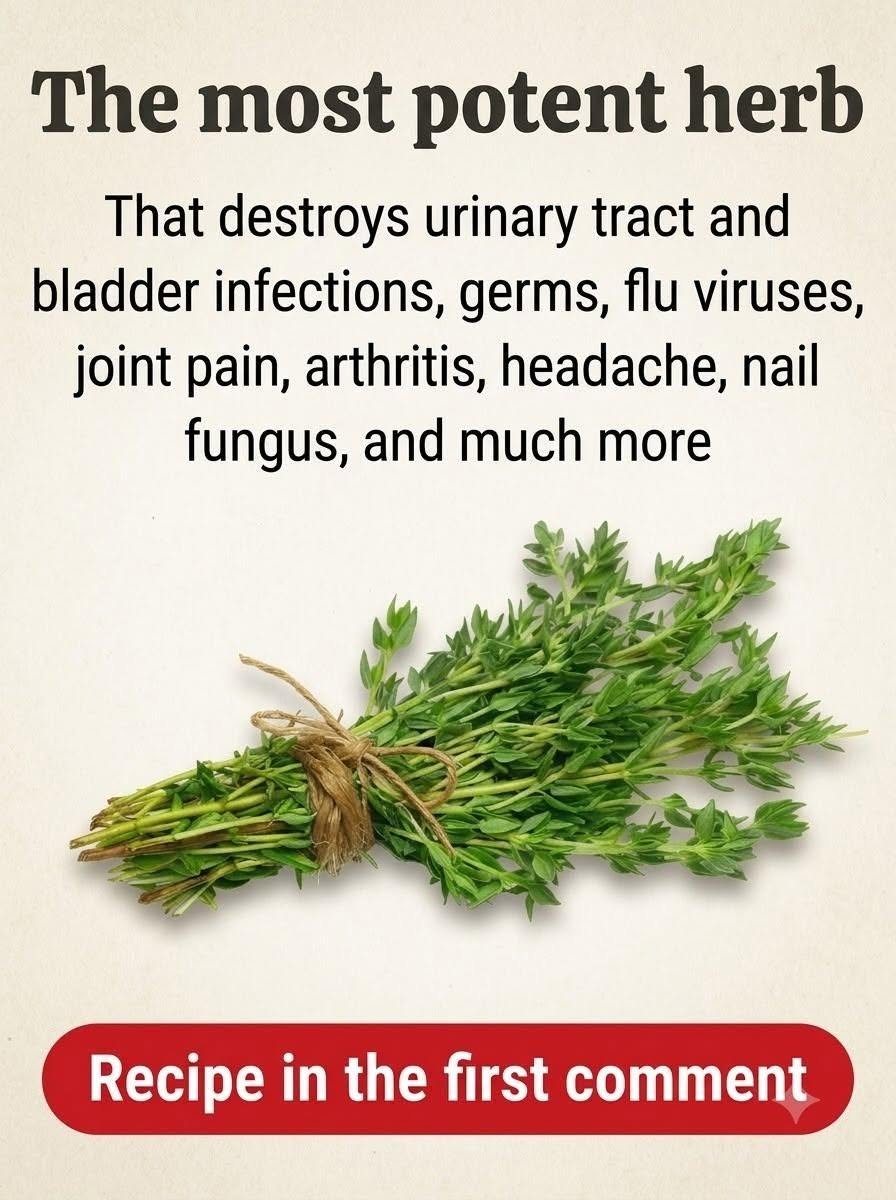
When discussing natural remedies that target deep-seated inflammation, joint pain, and conditions like gout, several potent botanicals come to mind, but one stands out as a traditional powerhouse in modern herbalism: Turmeric (specifically its active compound, curcumin).
Often celebrated in both Ayurvedic traditions and contemporary science, turmeric acts as a premier natural anti-inflammatory agent. However, depending on whether you are looking through the lens of Eastern herbal traditions or Western phytotherapy, a few other remarkable herbs share this crown:
1. Turmeric (Curcumin) — The Inflammation and Joint Specialist
-
Why It’s Powerful: Curcumin, the bright yellow active compound in turmeric, works by blocking specific molecular pathways (like NF-kB) that trigger inflammation at the genetic level. It is so effective that clinical studies often compare its ability to ease knee and joint pain to over-the-counter NSAIDs—without the harsh impact on the stomach lining.
-
For Gout and Joint Pain: By suppressing inflammatory enzymes, it helps calm the fiery, painful joint flare-ups characteristic of arthritis and gout. (Tip: Because curcumin is poorly absorbed on its own, taking it with a pinch of black pepper increases its bioavailability by up to 2,000%).
2. Ginger (Zingiber officinale) — The Circulatory and Digestive Healer
-
Why It’s Powerful: Closely related to turmeric, ginger contains potent bioactive compounds called gingerols and shogaols. It has been used for millennia to warm the body, stimulate circulation, and soothe acute digestive upset.
-
For Gout and Joint Pain: Ginger shares similar anti-inflammatory pathways with turmeric, inhibiting inflammatory cytokines and helping to reduce swelling and stiffness in aging or overworked joints.
3. Boswellia (Indian Frankincense) — The Cartilage Protector
-
Why It’s Powerful: Derived from the resin of the Boswellia serrata tree, this ancient herb has been prized in traditional medicine for centuries.
-
For Gout and Joint Pain: Boswellia specifically targets leukotrienes—molecules that cause inflammation and break down cartilage tissue. It is frequently recommended by joint specialists for improving mobility and reducing the structural wear-and-tear associated with osteoarthritis.
A Traditional Note on Nigella sativa (Black Seed)
If we look back to traditional formulations in Middle Eastern and prophetic medicine, Black Seed (Habbat al-Barakah) is also frequently cited as a supreme “body-balancing” herb. Thanks to its rich concentration of thymoquinone, it has been used traditionally for centuries to modulate immune responses, lower systemic inflammation, and support individuals battling chronic joint discomfort and metabolic sluggishness.
