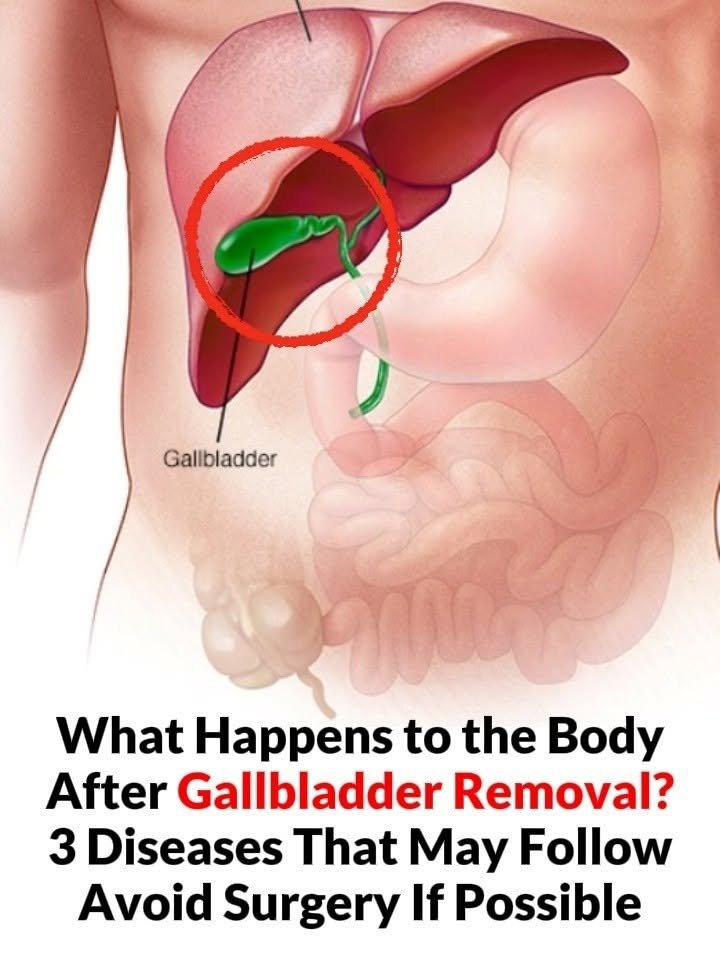
The claim that removing the gallbladder leads to long-term health complications or metabolic shifts stems from how the digestive system adjusts to operating without a bile storage reservoir.
The gallbladder does not produce bile; the liver makes bile continuously. The gallbladder simply acts as a holding tank that concentrates bile and releases it in concentrated squirts when you eat fatty foods. Once removed (cholecystectomy), bile drains directly from the liver into the small intestine in a continuous, slow trickle.
While a cholecystectomy is a common and often life-saving procedure for severe gallstones or infected tissue, losing this reservoir changes digestive mechanics.
3 Long-Term Conditions That Can Follow Gallbladder Removal
1. Post-Cholecystectomy Syndrome (PCS) & Chronic Bile Acid Diarrhea
-
What Happens: Up to 20% of post-surgery patients experience persistent gastrointestinal distress known as Post-Cholecystectomy Syndrome. Without a gallbladder to regulate bile delivery, continuous bile trickle irritating the intestinal lining can trigger Bile Acid Malabsorption (BAM).
-
The Symptoms: Chronic watery diarrhea, abdominal cramping, gas, and sudden urgent bowel movements—especially after eating high-fat meals.
2. Non-Alcoholic Fatty Liver Disease (NAFLD / MASLD)
-
What Happens: Research suggests a link between cholecystectomy and an increased risk of developing excess fat accumulation in the liver.
-
The Mechanism: The gallbladder is an active signaling organ in metabolism. Bile acids act as hormone-like messengers that regulate glucose, fat metabolism, and energy expenditure. Removing the gallbladder alters bile acid pool dynamics, which can impair hepatic fat metabolism and contribute to metabolic shifts over time.
3. Biliary Reflux Gastritis (Bile Reflux)
-
What Happens: Without a storage valve, continuous bile in the upper small intestine can back up (reflux) through the pyloric sphincter into the stomach.
-
The Symptoms: Unlike typical acid reflux (which is stomach acid moving up the esophagus), bile reflux causes a burning pain in the upper abdomen, nausea, vomiting of yellowish-green fluid, and chronic stomach lining inflammation (gastritis).
Why Experts Advise: “Avoid Surgery If Possible“
A cholecystectomy is medically necessary when gallstones cause acute infection (cholecystitis), blocked bile ducts, or pancreatitis. However, for asymptomatic or mild gallstones, doctors often recommend exploring non-surgical management or lifestyle modifications first.
1. Dietary Modifications
-
Healthy Fats Over Trans Fats: Replacing saturated and trans fats with healthy, unrefined fats (like extra virgin olive oil or avocado) keeps bile flowing without overwhelming the system.
-
High Soluble Fiber: Fiber binds to bile acids in the gut, helping regulate blood cholesterol and preventing bile stagnation.
-
Hydration: Drinking ample water keeps bile thin and less prone to crystalizing into stones.
2. Medical Dissolution Therapy
In select cases where surgery poses high risks or gallstones are small and non-calcified, doctors may prescribe bile-acid medications (such as ursodeoxycholic acid) to help dissolve cholesterol stones over time.
3. Weight Management
Gradual, steady weight loss reduces cholesterol saturation in bile. (Avoid rapid crash diets or prolonged fasts, which cause the liver to extra-saturate bile with cholesterol, increasing stone formation risks).
Managing Life After Surgery
If you have already had your gallbladder removed, the digestive system adapts remarkably well over time for most people. You can optimize digestion by:
-
Eating smaller, more frequent meals rather than large, heavy feasts.
-
Supplementing with bile salts or digestive enzymes under medical guidance to aid fat breakdown.
-
Increasing soluble fiber (like psyllium husk or chia seeds) to absorb excess bile acids and steady bowel movements.
