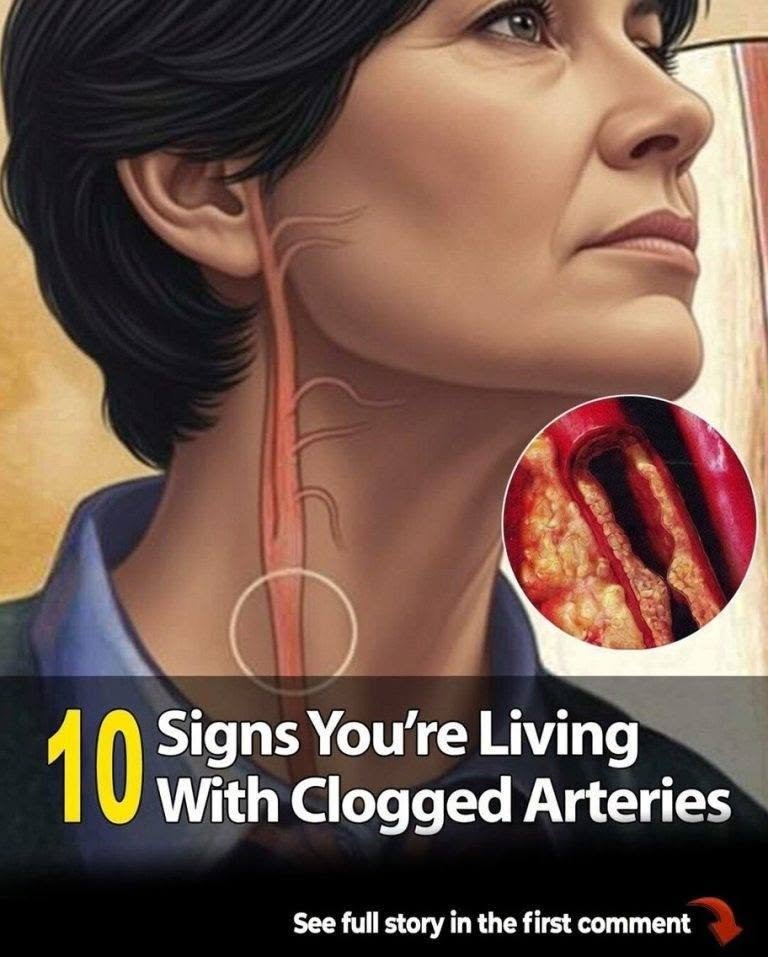
Arterial health is fundamental to every major system in the body. When arteries become narrowed or clogged by plaque—a condition known as atherosclerosis—blood flow decreases, depriving tissues and organs of oxygen and essential nutrients.
Because arterial blockage develops slowly over years, the initial warning signs can be subtle. Here are 10 key indicators of blocked arteries you should never ignore:
1. Chest Pain or Discomfort (Angina)
The classic sign of clogged coronary arteries supplying the heart is angina. It feels like tightness, heavy pressure, squeezing, or an ache in the center or left side of your chest. It often triggers during physical exertion or stress and subsides with rest.
2. Shortness of Breath (Dyspnea)
When coronary arteries are narrowed, the heart cannot pump enough oxygen-rich blood to meet the body’s demands. You may feel winded after light activity—like climbing a flight of stairs or walking short distances—or even while resting.
3. Lower Leg Pain While Walking (Claudication)
Plauqe build-up in the arteries leading to the lower extremities causes Peripheral Artery Disease (PAD). A hallmark symptom is muscle pain, tightness, or cramping in the calves, thighs, or buttocks during walking that disappears within a few minutes of resting.
4. Coldness, Numbness, or “Dead” Feeling in the Lower Legs and Feet
Reduced arterial blood flow means warm, oxygenated blood isn’t reaching your toes and feet efficiently. One foot or leg may feel noticeably colder to the touch than the other, or you may experience persistent numbness, tingling, or weakness.
5. Dizziness, Lightheadedness, or Sudden Loss of Balance
Clogged carotid arteries (the main vessels in your neck supplying the brain) reduce cerebral blood flow. This can lead to unexplained dizzy spells, sudden lightheadedness, or feeling unsteady on your feet.
6. Chronic Fatigue and Muscle Weakness
If your arteries are failing to deliver sufficient oxygen and nutrients to your major muscle groups and organs, your body compensates by slowing down. This manifests as unexplained, deep physical exhaustion that sleep doesn’t resolve.
7. Slow-Healing Sores or Wounds on the Feet and Legs
When peripheral circulation is compromised, white blood cells and healing nutrients cannot reach small cuts, scrapes, or ulcers on your lower legs, ankles, or feet. As a result, minor injuries may take weeks to heal or become prone to infection.
8. Erectile Dysfunction (ED)
In men, difficulty achieving or maintaining an erection is frequently an early warning sign of systemic atherosclerosis. The arteries supplying pelvic tissues are much smaller than coronary arteries, meaning they often show signs of reduced blood flow first—sometimes years before a cardiac event.
9. Radiating Pain in the Jaw, Neck, Back, or Arm
Nerve signals from a struggling heart don’t always manifest directly in the chest. Arterial restriction in the heart often causes referred pain that radiates upward into the lower jaw and neck, or down the left arm and shoulder.
10. Transient Ischemic Attacks (TIAs or “Mini-Strokes”)
If plaque temporarily restricts blood flow to the brain, it causes a mini-stroke. Warning signs include sudden numbness or weakness on one side of the face or body, drooping facial features, slurred speech, or sudden visual disturbances in one or both eyes. This is a medical emergency that requires immediate care.
Key Steps for Arterial Health
-
Get Tested: Routine screening—including a lipid panel, blood pressure checks, HbA1c testing, and an Ankle-Brachial Index (ABI) test—can spot arterial issues early.
-
Support Circulation Naturally: Engage in regular brisk walking, maintain a diet high in fiber and healthy fats (like omega-3s and olive oil), manage stress, and avoid smoking.
