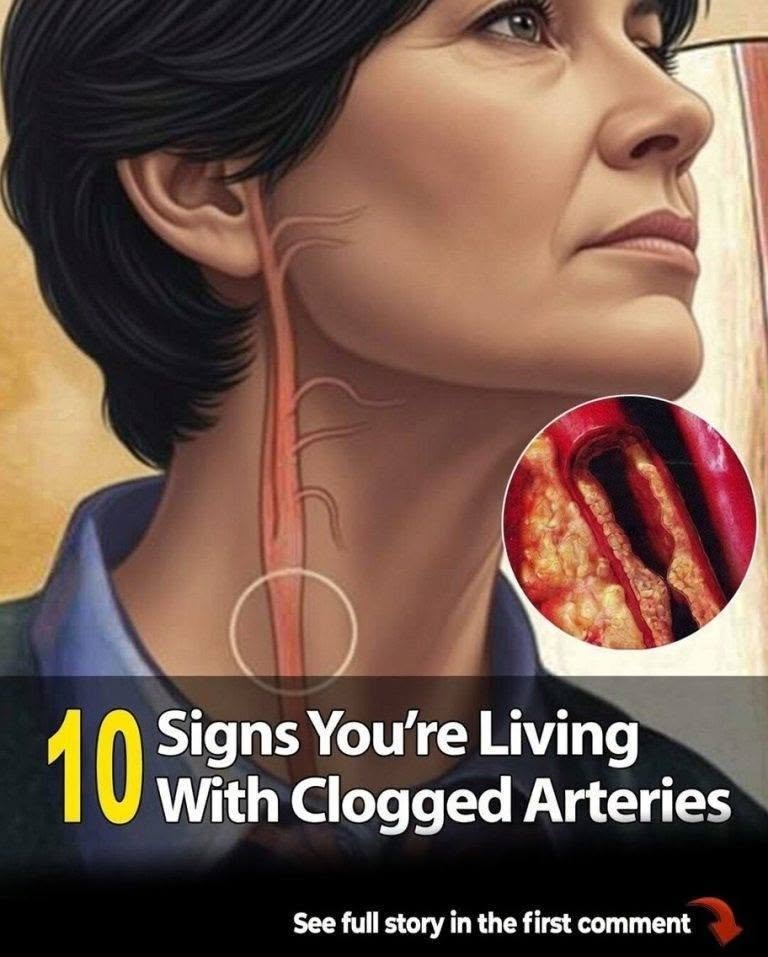
When plaque builds up inside your arteries—a condition known as atherosclerosis—the pathways narrowing your blood vessels restrict vital, oxygen-rich blood flow to your heart, brain, and extremities. Because the cardiovascular system impacts every corner of your body, restricted circulation often sends out subtle warning signs long before a major medical crisis occurs.
Here are 10 important indicators of blocked or restricted arteries that you should never ignore:
1. Intermittent Claudication (Cramping or Pain in the Legs While Walking)
-
What it feels like: A painful, aching, or cramping sensation in your calves, thighs, or buttocks that consistently flares up when you walk or climb stairs, but remarkably disappears after a few minutes of rest.
-
Why it happens: This is a classic hallmark of Peripheral Artery Disease (PAD). Plaque buildup in the leg arteries restricts blood flow when your muscles demand more oxygen during physical exertion.
2. Chest Tightness, Pressure, or Angina
-
What it feels like: A heavy squeezing, pressure, fullness, or aching discomfort in the center of the chest during physical activity or emotional stress, which typically eases when you rest.
-
Why it happens: This occurs when coronary arteries supplying the heart muscle itself become narrowed by plaque, temporarily starving the heart tissue of oxygen (myocardial ischemia).
3. Unexplained Shortness of Breath with Light Activity
-
What it feels like: Struggling to catch your breath during routine, light tasks—like making the bed, carrying groceries up a short flight of stairs, or walking across a room.
-
Why it happens: If coronary or systemic arterial blockages force your heart to pump much less efficiently, blood can back up and reduce overall oxygen delivery, making even mild exertion feel exhausting.
4. Coldness, Numbness, or Color Changes in the Extremities
-
What it feels like: One hand or foot feeling chronically colder than the other, frequent “pins and needles,” or fingers/toes turning pale or bluish when exposed to cool temperatures.
-
Why it happens: Severe narrowing in peripheral blood vessels drastically limits the micro-circulation required to keep your hands and feet warm and oxygenated.
5. Persistent Fatigue and Lack of Stamina
-
What it feels like: An overwhelming, heavy exhaustion that doesn’t improve with a full night’s sleep, making daily activities feel like a monumental effort.
-
Why it happens: When major arteries are blocked, your heart and circulatory system have to work twice as hard to push blood through narrowed channels, sapping your body’s overall energy reserves.
6. Dizziness, Lightheadedness, or Sudden Balance Issues
-
What it feels like: Feeling woozy, lightheaded when standing up, or experiencing brief, unexplained dizzy spells.
-
Why it happens: Blockages can affect major arteries (such as the carotid arteries in the neck) that supply blood to the brain, causing momentary drops in cerebral perfusion.
7. Slow-Healing Sores or Wounds on the Feet and Legs
-
What it feels like: Small cuts, scrapes, or blisters on your lower legs or feet that take weeks or months to heal, or skin that appears thin, shiny, and hairless on the lower shins.
-
Why it happens: Adequate blood flow is essential for immune cells and nutrients to repair tissue. Severe arterial blockages starve the skin and tissues of this healing blood supply.
8. Erectile Dysfunction (ED)
-
What it feels like: Persistent difficulty achieving or maintaining an erection.
-
Why it happens: Because the penile arteries are significantly smaller in diameter than coronary arteries, they often show the effects of systemic atherosclerosis years before heart issues appear. ED can serve as an early vascular warning sign.
9. A Transient Ischemic Attack (TIA or “Mini-Stroke”)
-
What it feels like: Sudden, temporary weakness or numbness on one side of the face or body, slurred speech, or temporary vision loss in one eye that resolves within minutes to an hour.
-
Why it happens: This is caused by a temporary blockage or clot in the carotid arteries supplying the brain. A TIA is a critical medical emergency and a major warning sign of impending stroke or advanced vascular disease.
10. High Blood Pressure (Hypertension) That Is Hard to Control
-
What it feels like: Blood pressure readings that remain stubbornly high despite lifestyle changes and multiple medications.
-
Why it happens: When arteries become rigid and narrowed by plaque, the heart has to generate much higher pressure to push blood through the tight spaces. Furthermore, blockages in the renal (kidney) arteries can trigger hormonal responses that drive up blood pressure.
Protecting Your Vascular Health
If you notice one or more of these warning signs—especially leg cramping with walking, persistent chest discomfort, or unexplained fatigue—do not brush them off as normal aging. Schedule an evaluation with a physician or cardiologist. Simple non-invasive screenings, such as an Ankle-Brachial Index (ABI) test for PAD or a cardiac stress test, can assess your arterial health and help you take preventative action before a blockage leads to a heart attack or stroke.
