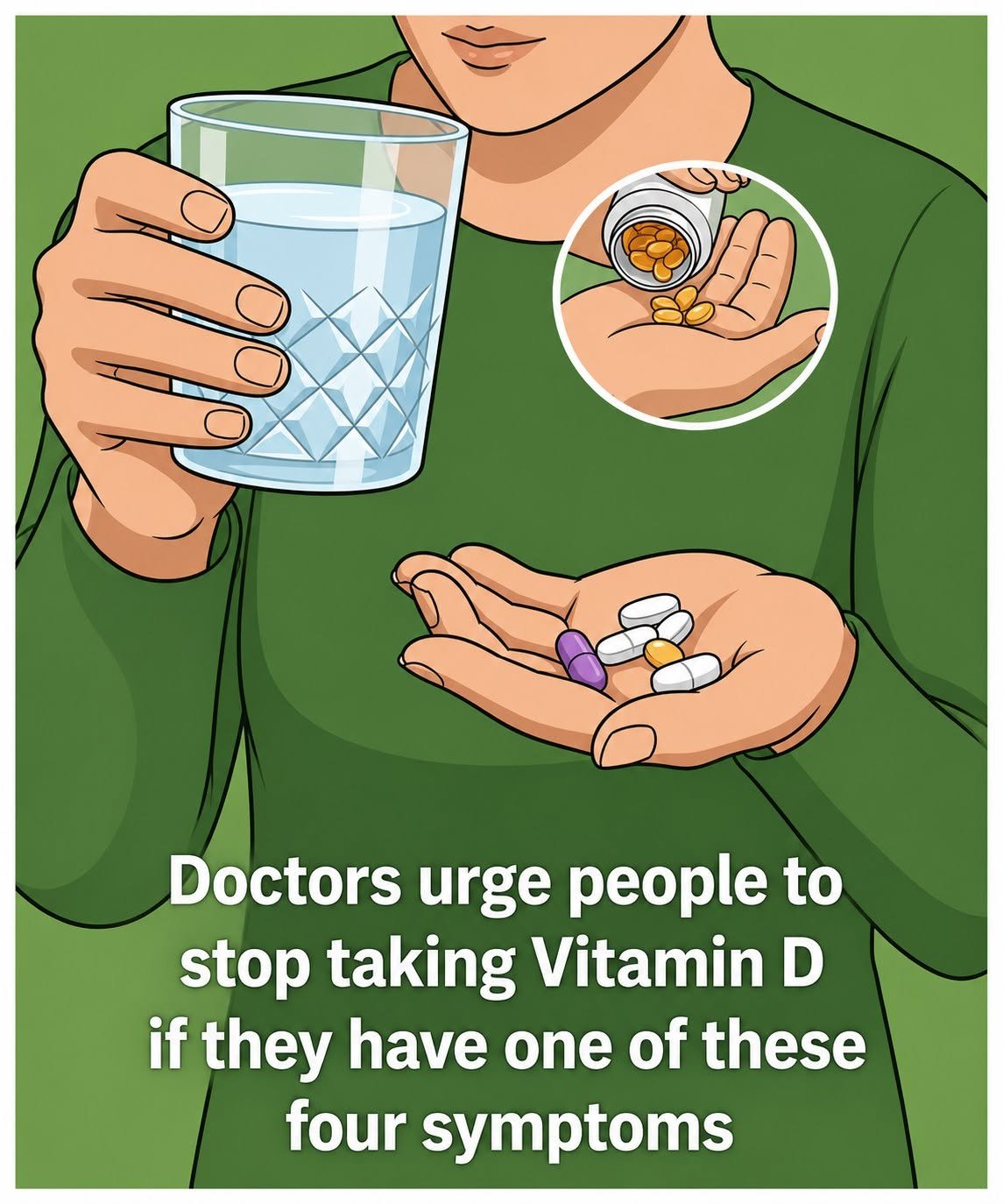
While Vitamin D is widely championed for bone health, immune support, and overall wellness, it is a fat-soluble vitamin. Unlike water-soluble vitamins, which your body easily flushes out in urine, excess fat-soluble Vitamin D is stored in the liver and fatty tissues. When taken in excessive megadoses over time, it can accumulate to toxic levels, leading to a condition known as hypervitaminosis D (excess calcium in the blood).
Medical professionals warn that you should stop taking Vitamin D supplements immediately and consult a physician if you experience these 4 critical warning symptoms:
1. Persistent Nausea, Vomiting, and Loss of Appetite
-
Why it happens: Excess Vitamin D triggers hypercalcemia (abnormally high calcium levels in the blood). High blood calcium severely disrupts normal gastrointestinal function, slowing digestion and irritating the stomach lining.
-
The warning sign: If you feel constantly queasy in the mornings, lose your desire to eat, experience unexplained abdominal cramps, or find yourself vomiting without a clear viral cause, it could indicate that your calcium levels are climbing dangerously high due to supplement overload.
2. Frequent Urination and Extreme Thirst (Polyuria & Polydipsia)
-
Why it happens: When your blood calcium spikes, your kidneys are forced to work overtime to filter and excrete the excess mineral. This creates an osmotic effect that pulls water from your tissues, causing dehydration.
-
The warning sign: You may notice yourself waking up multiple times at night to urinate (nocturia), experiencing an intense, unquenchable thirst throughout the day, or passing unusually large volumes of urine.
3. Muscle Weakness, Bone Pain, and Fatigue
-
Why it happens: While Vitamin D helps absorb calcium, toxic levels cause calcium to leach out of your bones and flood the bloodstream. This weakens bone density and overstimulates neuromuscular pathways.
-
The warning sign: Deep, persistent bone aches, heavy muscle weakness in your legs and hips, and overwhelming fatigue that doesn’t improve with rest can all signal that calcium is depositing improperly in soft tissues rather than supporting your skeletal structure.
4. Heart Palpitations or Irregular Heartbeat (Arrhythmia)
-
Why it happens: Calcium ions play a fundamental role in regulating electrical impulses and muscle contractions in the heart. A sudden flood of calcium in the bloodstream disrupts these delicate electrical signals.
-
The warning sign: Feeling your heart flutter, race, pound heavily in your chest, or skip beats—sometimes accompanied by dizziness or lightheadedness—is a serious cardiac warning sign that demands an immediate halt to supplementation and urgent medical evaluation.
What to Do If You Experience These Symptoms
-
Stop Supplementation Immediately: Discontinue your Vitamin D capsules, drops, or fortified multivitamin blends right away.
-
Request a 25-Hydroxyvitamin D and Serum Calcium Test: Your doctor can run a simple blood panel to check your exact vitamin D concentration and blood calcium levels.
-
Hydrate Safely: Drink plenty of water to help your kidneys flush out excess calcium, unless advised otherwise by a physician due to pre-existing kidney conditions.
