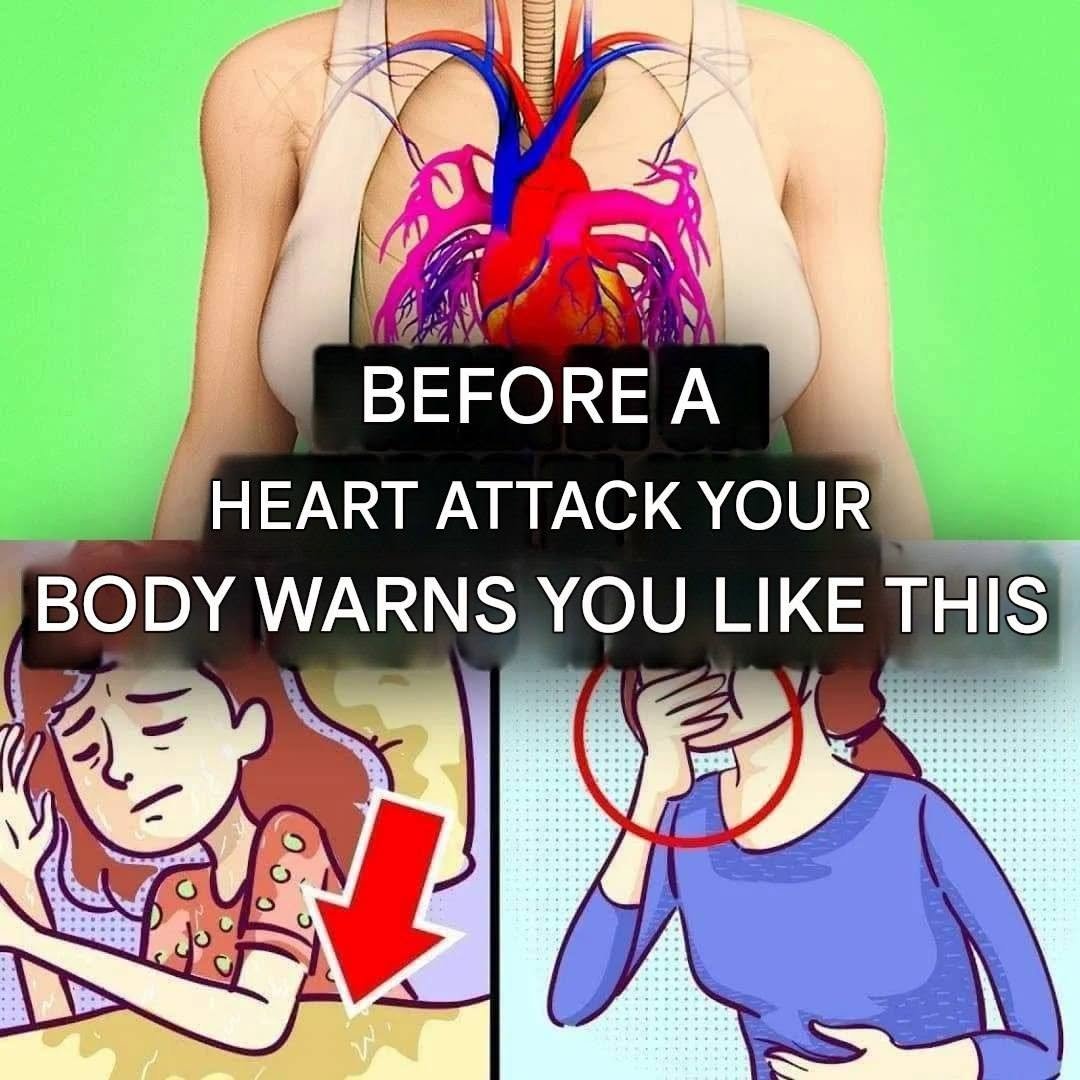
Recognizing the signs of a heart attack early—and acting immediately by calling emergency services—can prevent permanent heart tissue damage and save a life. While chest pain is the classic symptom, heart attacks often present with subtle or atypical signs, especially in women, older adults, and individuals with diabetes.
Here are 8 critical heart attack symptoms you shouldn’t ignore:
1. Chest Pain, Pressure, or Fullness (Angina)
-
What it feels like: A sensation of heavy pressure, squeezing, tightness, aching, or fullness in the center or left side of the chest. It often lasts more than a few minutes or goes away and comes back.
-
Why it matters: It is the single most common warning sign of reduced blood flow to the heart muscle.
2. Pain Radiating to the Arm, Shoulder, Back, or Neck
-
What it feels like: Discomfort or aching that spreads outward from the chest into one or both arms (most commonly the left arm), the upper back between the shoulder blades, the neck, or the shoulder.
-
Why it matters: Nerves in the heart share common pathways in the spinal cord with nerves from the upper body, causing the brain to perceive heart distress as arm or shoulder pain.
3. Unexplained Shortness of Breath (Dyspnea)
-
What it feels like: Feeling winded or unable to catch your breath while resting or performing minimal activity, with or without chest discomfort.
-
Why it matters: When the heart muscle struggles to pump blood efficiently, pressure builds up in the blood vessels surrounding the lungs, causing fluid congestion and difficulty breathing.
4. Sudden Cold Sweats (Diaphoresis)
-
What it feels like: Breaking out in a cold, clammy sweat for no apparent reason, without any physical exertion or high fever.
-
Why it matters: A sudden reduction in cardiac output triggers a massive sympathetic nervous system (“fight or flight”) response, causing immediate profuse sweating.
5. Dizziness, Lightheadedness, or Unsteadiness
-
What it feels like: Feeling woozy, faint, or as though you might pass out upon standing or sitting still.
-
Why it matters: A failing or struggling heart muscle cannot maintain adequate arterial blood flow and pressure to the brain, leading to brief cerebral hypoxia.
6. Jaw, Tooth, or Throat Pain
-
What it feels like: A dull, heavy ache or tight sensation in the lower jaw, teeth, or throat that appears suddenly without an obvious dental or ENT cause.
-
Why it matters: Referred pain pathways frequently register ischemic heart pain in the vagus nerve branch that extends up toward the jaw and neck.
7. Unexplained Severe Fatigue or Weakness
-
What it feels like: Sudden, overpowering exhaustion—feeling as though you cannot carry out basic daily tasks or keep your eyes open—even without physical exertion or sleep deprivation.
-
Why it matters: Common particularly among women and older adults, severe weakness occurs when the heart works overtime under stress, diverting blood flow to vital organs at the expense of skeletal muscles.
8. Persistent Nausea, Indigestion, or Upper Abdominal Pain
-
What it feels like: A burning or heavy feeling in the pit of the stomach, nausea, or vomiting that is frequently mistaken for heart disease, acid reflux, or food poisoning.
-
Why it matters: The bottom wall of the heart rests directly above the diaphragm, which sits right over the stomach. Irritation from an inferior wall heart attack directly triggers gastric nerves.
What to Do Immediately If You Suspect a Heart Attack
-
Call Emergency Services (911 or Local Emergency) Immediately: Do not attempt to drive yourself to the hospital or wait to see if symptoms pass. Paramedics can begin diagnostic and life-saving treatments in transit.
-
Rest in a Comfortable Position: Stop all physical activity immediately, sit down, and try to remain calm to lower your heart’s oxygen demands.
-
Take Aspirin If Safe: Unless allergic or instructed otherwise by a doctor, chewing and swallowing an uncoated aspirin (162–325 mg) helps prevent blood platelets from enlarging a clot while emergency responders are en route.
