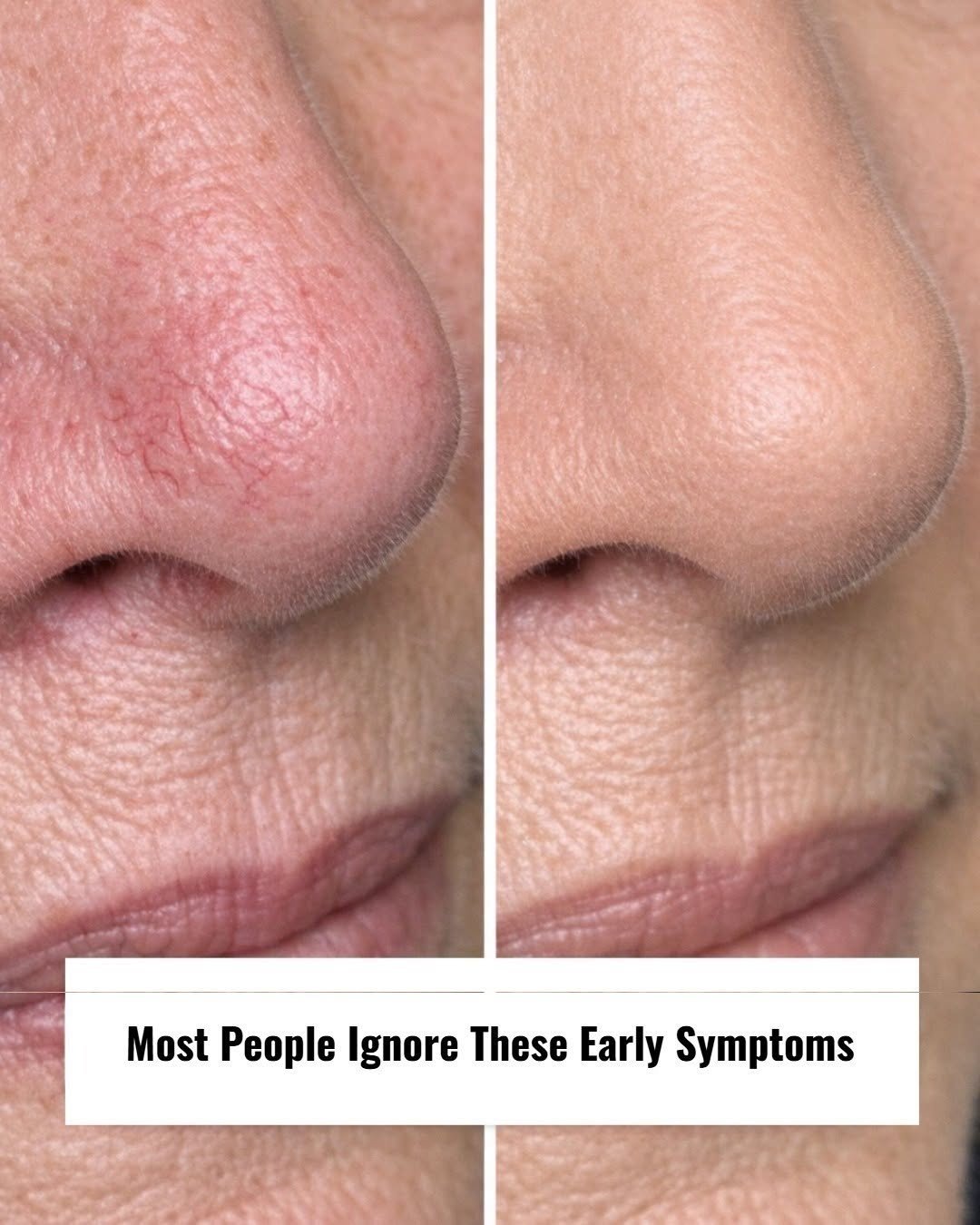
When health clickbait headlines tease “These are the first symptoms of a…”, they are almost always banking on sensationalism, anxiety, and the very human tendency to self-diagnose every minor ache and pain.
While paying attention to your body is important, medical conditions rarely map neatly onto a single viral listicle. To cut through the online noise, it helps to look at how doctors actually evaluate warning signs and which ones truly require attention.
Why Viral Health Warning Lists Can Be Misleading
-
Vague Overlap: Symptoms like fatigue, headaches, joint stiffness, or brain fog are shared by hundreds of completely benign things—ranging from a bad night’s sleep and stress to dehydration, mild allergies, or a busy week.
-
Amplified Health Anxiety: Clickbait articles often list worst-case scenarios first to shock readers, turning normal bodily fluctuations into sources of panic.
Critical “First Symptoms” You Should Never Ignore
While you shouldn’t panic over general aches, medical professionals emphasize watching out for specific red-flag symptoms that signal when your body needs a professional evaluation:
-
Neurological Red Flags (The FAST Rule for Strokes):
-
Sudden facial drooping, weakness or numbness in one arm, or slurred speech. (As we’ve discussed before, getting immediate help for a TIA or stroke is vital).
-
-
Cardiovascular Warnings:
-
Sudden, crushing chest pain, pressure, or tightness—especially if accompanied by shortness of breath, cold sweats, or pain radiating down the left arm or jaw.
-
-
Unexplained, Rapid Weight Loss:
-
Losing 5% or more of your body weight over a few months without trying can indicate underlying metabolic, thyroid, or digestive issues that warrant a doctor’s visit.
-
-
Persistent, Unexplained Changes:
-
A cough that lasts for weeks, a new or changing mole with irregular borders, or chronic, unrelenting fatigue that doesn’t improve with rest.
-
The Expert Takeaway: If something feels genuinely wrong, persistent, or unusual for your body, don’t rely on social media listicles for an answer. Trust your instincts and schedule a chat with a healthcare professional to get real, personalized clarity.
Were you thinking of a specific health condition or symptom when you started that sentence, or is there a particular wellness topic you’d like to fact-check next?
