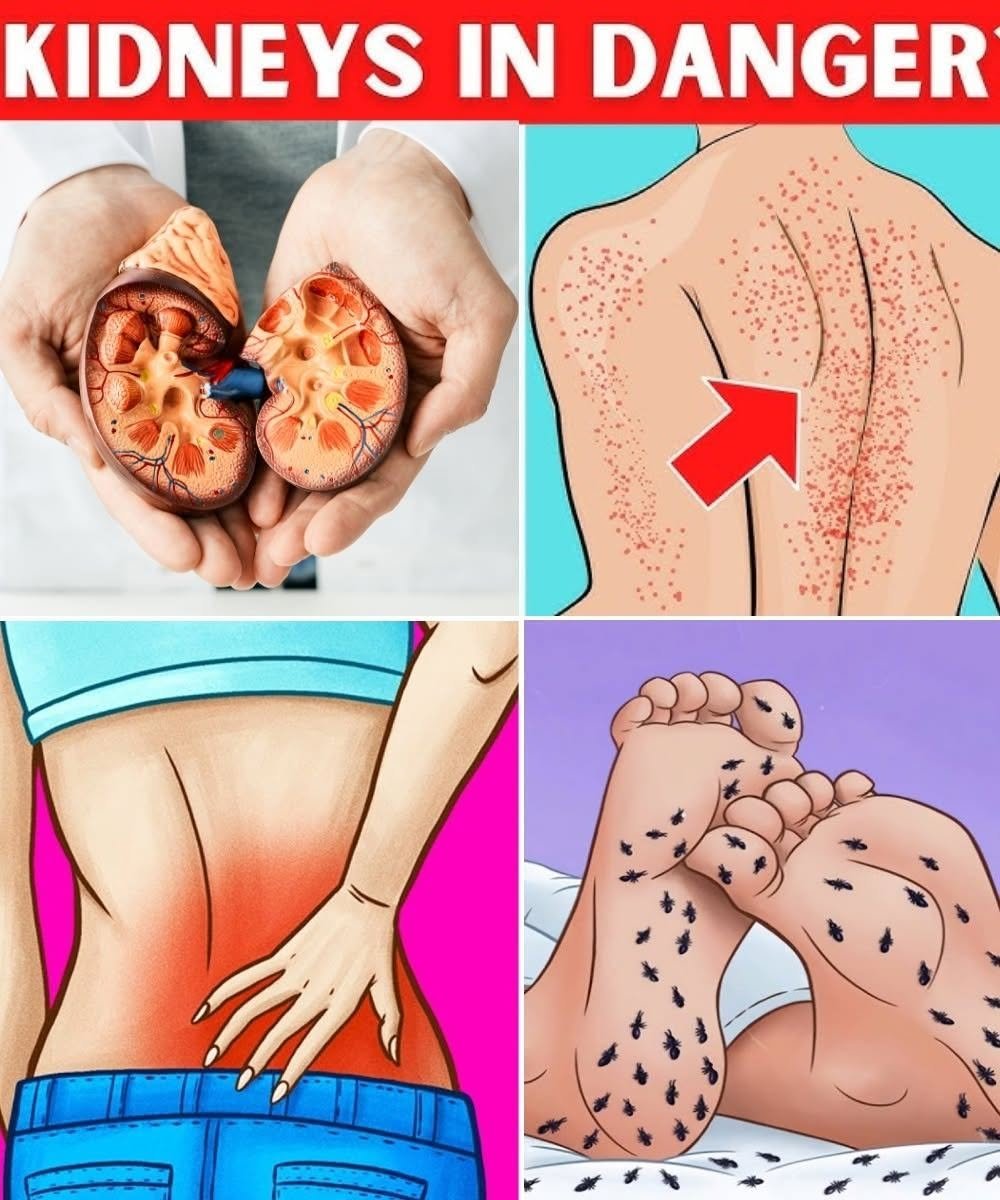
Catchy internet headlines warning that “Your kidneys are crying for help” love to use dramatic phrasing, but kidney health is genuinely vital. Because early-stage kidney disease often has no symptoms at all—earning it the nickname “the silent killer”—our kidneys rely on subtle body signals when they are under stress or struggling to filter waste.
Nephrologists and medical experts look for specific, recurring warning signs that indicate your kidneys may need a medical evaluation.
10 Important Signs Your Kidneys May Need Attention
1. Changes in Urination Frequency
-
The Sign: Feeling the need to urinate more often—especially in the middle of the night—or noticing a sudden decrease in urine output.
-
Why It Happens: When the kidneys’ filtering units (nephrons) are damaged, it can alter your body’s fluid balance and urine production.
2. Foamy or Bubbly Urine
-
The Sign: Urine that looks noticeably bubbly, resembling scrambled eggs, requiring you to flush multiple times.
-
Why It Happens: This is often a sign of excess protein (albumin) leaking into the urine because the damaged kidney filters can no longer keep proteins inside the bloodstream.
3. Blood in the Urine
-
The Sign: Urine that appears pink, brown, or red.
-
Why It Happens: Healthy kidneys normally keep blood cells inside the body when filtering waste. If the filters are leaking or damaged, blood cells can start to leak out into the urine.
4. Persistent Puffiness Around the Eyes (Periorbital Edema)
-
The Sign: Chronic swelling or bagginess around the eyes, particularly in the mornings.
-
Why It Happens: When kidneys leak a large amount of protein into the urine instead of keeping it in the body, it causes fluid to retain in the body’s tissues, frequently showing up first as puffiness around the face and eyes.
5. Swelling in the Ankles and Feet
-
The Sign: Puffy ankles, lower legs, or feet that leave a dimple when pressed (pitting edema).
-
Why It Happens: Decreased kidney function leads to sodium retention and fluid buildup in the lower extremities.
6. Chronic Fatigue and Extreme Tiredness
-
The Sign: Feeling persistently drained, weak, or having trouble concentrating, even after a full night’s rest.
-
Why It Happens: Healthy kidneys make a hormone called EPO (erythropoietin), which tells your body to make oxygen-carrying red blood cells. When kidneys are failing, they make less EPO, leading to anemia, low oxygen levels, and severe fatigue.
7. Dry, Itchy Skin
-
The Sign: Persistent, deep-seated itching that lotions won’t relieve.
-
Why It Happens: When kidneys fail to maintain the right balance of minerals and nutrients in your blood, a buildup of phosphorus and waste products in the bloodstream can trigger severe skin irritation and mineral bone disorders.
8. Muscle Cramps
-
The Sign: Frequent, painful cramps, especially in the calves or legs at night.
-
Why It Happens: Electrolyte imbalances—such as low calcium levels or poorly controlled phosphorus and potassium—frequently result from declining kidney function and disrupt muscle nerve signaling.
9. Loss of Appetite or Metallic Taste in the Mouth
-
The Sign: Food suddenly tasting different (often metallic or like meat tastes unappealing), accompanied by nausea or unexplained weight loss.
-
Why It Happens: A severe buildup of waste products in the blood (uremia) can alter your sense of taste, cause bad breath, and upset your stomach.
10. High Blood Pressure
-
The Sign: Blood pressure readings that creep up and become difficult to control.
-
Why It Happens: The kidneys play a massive role in regulating blood pressure. Kidney damage and high blood pressure form a dangerous cycle: high blood pressure damages delicate kidney blood vessels, and damaged kidneys fail to help regulate blood pressure properly.
A Crucial Medical Note: Many of these symptoms can overlap with other common conditions (like dehydration, poor sleep, or vitamin deficiencies). However, if you notice persistent changes—especially foamy urine, unexplained swelling, or chronic fatigue—a simple routine blood test (measuring creatinine and eGFR) and a urine test from your primary care physician can check your kidney health instantly.
Is there a particular symptom or aspect of kidney health you’d like to dive deeper into?
