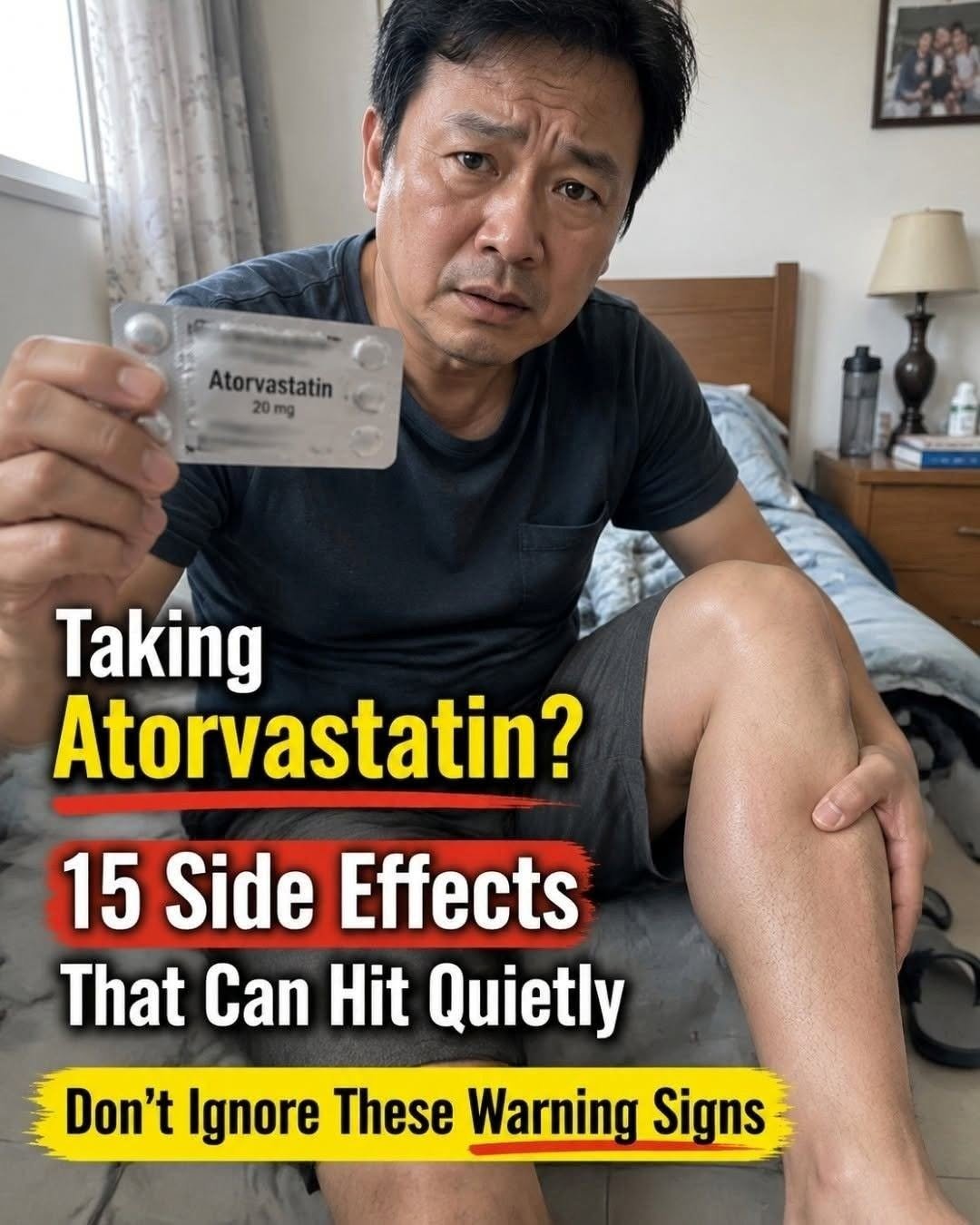
Catchy health headlines asking things like “Taking Atorvastatin? Could These 15 Subtle Side Effects Be Affecting You?” are notorious for generating health anxiety. They often list dozens of vague, everyday symptoms—like feeling tired, waking up stiff, or having a mild headache—and attribute them entirely to the medication.
Atorvastatin (commonly known by its brand name Lipitor) is one of the most widely prescribed statins in the world. It plays a vital, life-saving role in lowering LDL (“bad”) cholesterol and preventing heart attacks and strokes.
Medical science and large-scale clinical reviews separate what statins actually do from the laundry list of internet folklore:
The Reality of Statin Side Effects
Extensive clinical trials and major reviews (including large-scale analyses on statin tolerance) show that while statins do have a few well-documented, genuine side effects, the vast majority of the “15 subtle side effects” found on viral blogs are either unproven or heavily exaggerated.
1. The Genuine, Recognized Side Effects
-
Mild Muscle Aches (Myalgia): This is the most common complaint, usually presenting as symmetrical aching or tenderness in large muscle groups (like thighs or calves). However, true statin-induced muscle damage (myopathy or rhabdomyolysis) is extremely rare.
-
Slight Increases in Blood Sugar: Statins can cause a very minor rise in HbA1c levels, which is why doctors monitor blood sugar in patients who are already pre-diabetic. For the vast majority, the cardiovascular protection vastly outweighs this minor metabolic shift.
-
Mild Liver Enzyme Elevations: Routine blood tests can sometimes show a temporary bump in liver enzymes, though actual liver injury is exceedingly rare.
2. What the Science Says About the “Subtle” Myths
Viral lists often blame statins for memory loss, cognitive fog, sleep disturbances, peripheral neuropathy, and general fatigue. However, large-scale, double-blind, randomized clinical trials (where patients don’t know if they are taking the real drug or a placebo) have repeatedly shown no statistical difference in these symptoms between the people taking statins and those taking sugar pills. (This phenomenon is often called the nocebo effect—where expecting a side effect makes you physically feel it).
What to Do If You’re Experiencing Symptoms
-
Never Stop Taking It Unilaterally: Stopping a statin abruptly out of fear can cause a dangerous rebound in cardiovascular risk.
-
Talk to Your Doctor: If you are experiencing persistent muscle aches, unusual fatigue, or any side effect that impacts your quality of life, schedule a chat with your primary care physician or cardiologist. They can easily evaluate your symptoms, run a quick blood panel, adjust your dosage, or trial a different type of statin if needed.
The Medical Takeaway: Atorvastatin is a powerful, highly effective tool for protecting your heart. Don’t let sensationalized internet lists scare you away from a medication that keeps you healthy—always rely on your physician and clinical lab work to guide your care.
Would you like to explore heart-healthy nutrition tips or questions to ask your doctor about your cholesterol management plan?
