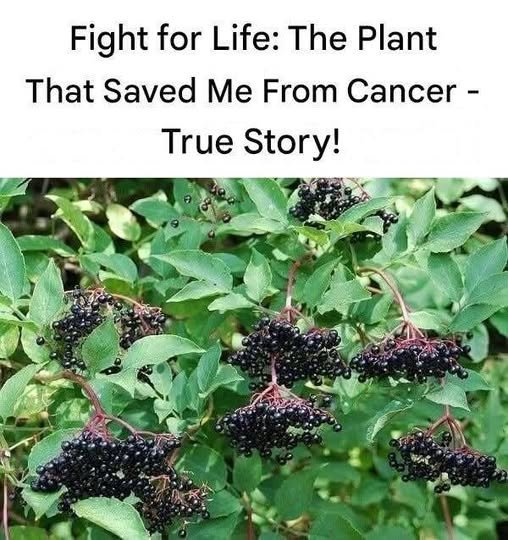
Sensational online headlines and viral personal blogs love dramatic hooks like “Fight for Life: The Plant That Saved Me From Cancer – True Story!” These stories rely heavily on emotional storytelling, individual anecdotes, and the irresistible appeal of a simple, natural, secret remedy.
Oncologists, clinical researchers, and medical regulatory bodies approach these claims through the lens of rigorous science and clinical trial data. The reality behind “miracle plant cures” involves a critical distinction between laboratory discovery and actual human medicine.
The Allure of the “Secret Cure”
It is completely understandable why stories about natural remedies go viral. When people or their loved ones face a terrifying diagnosis like cancer, the idea that a simple herb, root, or leaf could cure the disease without the grueling side effects of chemotherapy or surgery offers powerful hope.
However, medical experts point out that internet anecdotes bypass the rigorous standards required to prove whether a treatment actually works in the human body.
The Science: From Lab Dish to Human Treatment
Many modern cancer treatments do originate from plants—for example, taxanes (derived from Pacific yew trees) and vinca alkaloids (derived from Madagascar periwinkle) are foundational chemotherapy drugs. However, there is a massive gulf between a plant compound showing promise in a laboratory and a plant being able to cure cancer in a living person:
-
In Vitro (Petri Dish) Success vs. Human Biology: Scientists frequently test plant extracts on cancer cells in a lab dish and find that they can kill the cells. But as researchers often demonstrate, everything can kill cancer cells in a petri dish—bleach, boiling water, and hydrogen peroxide will kill them instantly too, but they will also destroy healthy human tissue.
-
The Lack of Clinical Trials: An anecdotal story or a lab study on isolated molecules does not equal a human clinical trial. Legitimate cancer treatments must go through phases of testing in animals and large-scale, controlled trials in humans to prove safety, effective dosing, and actual survival benefits.
-
The “Natural = Harmless” Fallacy: Many people assume that because a substance is natural, it cannot hurt them. In reality, unregulated herbal remedies or concentrated plant extracts can cause severe liver or kidney toxicity, or worse, they can interact dangerously with conventional cancer treatments, making prescribed therapies less effective.
Red Flags of Miracle Cancer Cure Claims
According to regulatory agencies like the FDA and global oncology associations, certain phrases in health stories should immediately trigger skepticism:
-
Claims that a plant or supplement “cures all forms of cancer” or “selectively kills cancer cells while leaving healthy cells intact.”
-
Assertions that a remedy is “more effective than chemotherapy” without published, peer-reviewed data from major medical institutions.
-
Conspiracy narratives suggesting that mainstream medicine or pharmaceutical companies are “hiding” a cheap, natural cure. (In reality, researchers are highly motivated to find and patent successful plant-derived compounds, as it represents a massive breakthrough).
The Medical Takeaway: While a balanced diet rich in plant foods supports overall health and resilience, no specific plant, herbal tea, or supplement has been proven to cure cancer on its own. If you or a loved one are exploring complementary therapies or natural supplements alongside medical treatment, the most important step is always discussing them openly with your oncologist to ensure they don’t interfere with your care.
Are you looking into evidence-based integrative oncology practices, or trying to evaluate a specific health claim you came across online?
