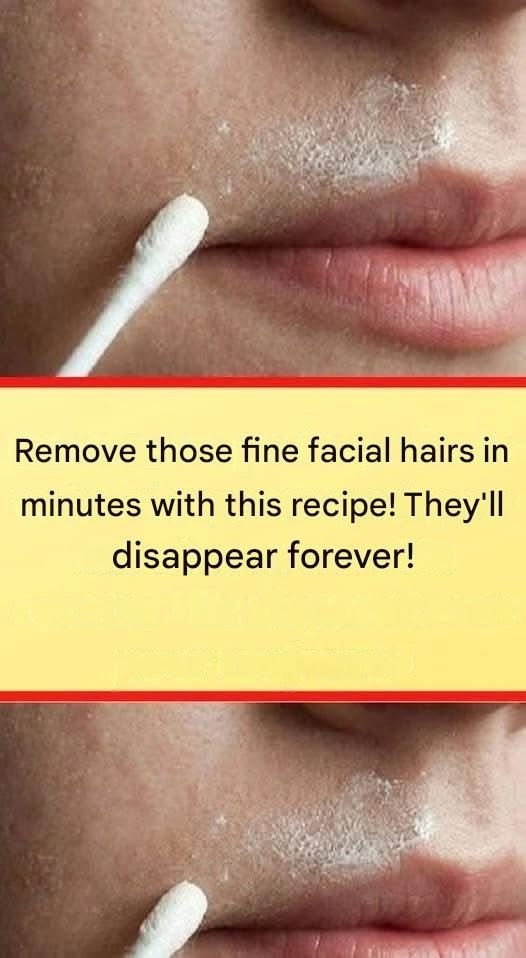
The idea of a natural recipe that can permanently remove facial hair is a very common claim online, but from a medical and dermatological standpoint, no home remedy or natural mask can permanently destroy hair follicles.
While certain traditional mixtures can temporarily weaken hair, exfoliate the skin, or make regrowth appear finer over time, hair growth is driven by deep-rooted follicles governed by hormones and genetics.
What Traditional Remedies Can (and Can’t) Do
Popular DIY treatments—such as papaya and turmeric paste, gram flour (besan) with rose water, or sugar waxing—have been used for generations in various cultures.
-
What they do well:
-
Papaya contains an enzyme called papain, which can help break down hair proteins and gently exfoliate the top layer of dead skin cells.
-
Turmeric and gram flour act as a physical exfoliant when rubbed off after drying, which can give the skin a smooth, bright appearance and make hair look less noticeable temporarily.
-
Sugar waxing pulls hair out from the root, providing weeks of smoothness similar to traditional waxing.
-
-
The Reality: None of these ingredients alter the biological structure of the hair root permanently. New hair will always grow back once the hair cycle resets.
What Actually Achieves Permanent Hair Reduction?
If your goal is permanent hair reduction or removal, dermatologists and medical professionals rely on specific clinical technologies that target the hair follicle at its root:
-
Laser Hair Reduction: Uses concentrated beams of light absorbed by the pigment in the hair follicle, damaging the follicle to significantly delay or permanently reduce future growth. It works best on darker hair tones.
-
Electrolysis: The only FDA-approved method for permanent hair removal. It involves inserting a fine, microscopic probe into individual hair follicles and delivering a short wave of radio frequency or chemical energy to destroy the hair root permanently, regardless of hair or skin color.
A Gentle Note on Facial Hair and Health
If you notice a sudden, heavy, or coarse increase in facial hair growth (hirsutism), it can sometimes be linked to underlying hormonal fluctuations, such as polycystic ovary syndrome (PCOS) or shifts during menopause. Consulting a dermatologist or primary care doctor can help identify the root cause and guide you toward safe, effective management options tailored to your skin.
Have you tried any traditional home masks before, or are you looking for options that offer longer-lasting results?
