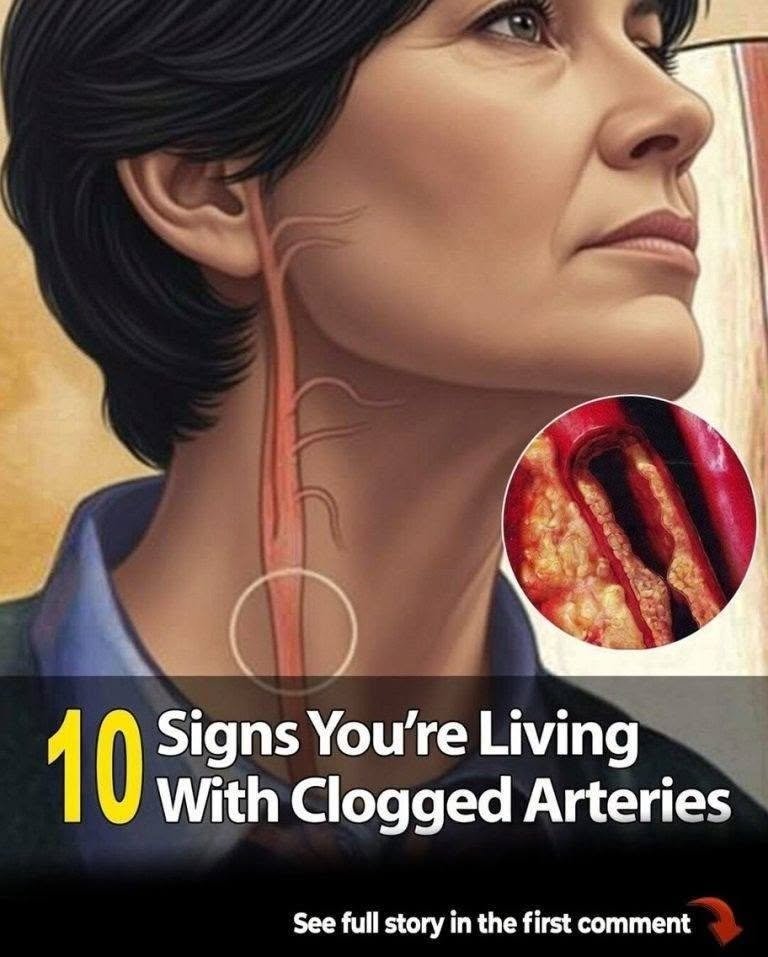
When plaque builds up inside your arteries—a condition known as atherosclerosis—it gradually restricts blood flow to vital organs and tissues. Because the process is slow, the body often compensates until blood flow becomes critically compromised.
Recognizing the early and warning signs of blocked arteries can be life-saving. Here are 10 key indicators of arterial plaque buildup and reduced circulation that you should never ignore:
1. Intermittent Claudication (Leg Pain While Walking)
-
What it feels like: Cramping, aching, numbness, or tiredness in your legs (particularly the calves, thighs, or buttocks) that triggers while walking or climbing stairs and goes away after a few minutes of rest.
-
Why it happens: This is a classic sign of Peripheral Artery Disease (PAD), indicating that the arteries supplying blood to your lower limbs are narrowed, starving your leg muscles of oxygen during exertion.
2. Chest Pain or Pressure (Angina)
-
What it feels like: A heavy pressure, squeezing, fullness, or aching pain in the center or left side of your chest. It may feel like a heavy weight sitting on your chest during physical activity or emotional stress, which typically eases with rest.
-
Why it happens: This occurs when the coronary arteries supplying your heart muscle become narrowed by plaque, temporarily reducing blood and oxygen supply to the heart.
3. Shortness of Breath
-
What it feels like: Feeling winded or struggling to catch your breath after mild exertion (like walking up a short flight of stairs) that previously caused no issues.
-
Why it happens: If your heart’s coronary arteries are blocked, the heart cannot pump efficiently, causing pressure to back up into the lungs. It can also be a sign of carotid or systemic vascular strain.
4. Unexplained Fatigue and Exhaustion
-
What it feels like: A deep, persistent, and overwhelming exhaustion that doesn’t improve with a good night’s sleep, particularly when trying to perform routine daily tasks.
-
Why it happens: When your cardiovascular system is restricted, your heart has to work much harder to pump blood through narrowed vessels, draining your body’s overall energy reserves.
5. Dizziness, Lightheadedness, or Fainting
-
What it feels like: Sudden dizzy spells, a spinning sensation, or feeling like you might pass out when standing up quickly or during exertion.
-
Why it happens: This can occur when narrowed carotid arteries (in the neck) or cardiovascular blockages temporarily reduce blood and oxygen flow to the brain.
6. Coldness in Your Extremities
-
What it feels like: One hand, foot, leg, or arm that consistently feels much colder than the other side of your body, accompanied by pale or bluish skin tone.
-
Why it happens: Severe reduction in peripheral blood flow prevents warm, oxygenated blood from reaching your fingers and toes effectively.
7. Slow-Healing Sores or Wounds on the Feet or Legs
-
What it feels like: Cuts, scrapes, or minor ulcers on your lower legs, ankles, or feet that take weeks or months to heal, or easily become infected.
-
Why it happens: White blood cells, nutrients, and oxygen required for tissue repair cannot reach the skin efficiently through narrowed arterial pathways (common in advanced PAD and diabetes).
8. Erectile Dysfunction (ED)
-
What it feels like: Persistent difficulty achieving or maintaining an erection.
-
Why it happens: Because the arteries supplying blood to the pelvic region are smaller than coronary arteries, arterial plaque buildup often manifests here first. ED can serve as an early warning sign of systemic cardiovascular disease years before a heart event.
9. Transient Ischemic Attacks (TIAs) or “Mini-Strokes”
-
What it feels like: Sudden, temporary weakness or numbness on one side of the face, arm, or leg; slurred speech; temporary loss of vision in one eye; or sudden confusion that resolves within minutes to hours.
-
Why it happens: This occurs when plaque buildup or a small blood clot temporarily blocks blood flow to the brain through the carotid arteries. A TIA is a medical emergency and a major warning sign of an impending major stroke.
10. High Blood Pressure (Hypertension) and Elevated Cholesterol
-
What it feels like: Often called the “silent warning” because it has no physical symptoms on its own, discovered only during routine blood pressure and lipid panel checks.
-
Why it happens: As arteries become stiffened and narrowed by plaque, the heart must generate higher pressure to push blood through the system, creating a dangerous cycle of vascular damage.
Medical Disclaimer: This information is for educational purposes and should not replace professional medical advice. If you experience sudden, severe chest pain, shortness of breath, or stroke symptoms (FAST: Face drooping, Arm weakness, Speech difficulty, Time to call emergency services), seek emergency medical care immediately.
