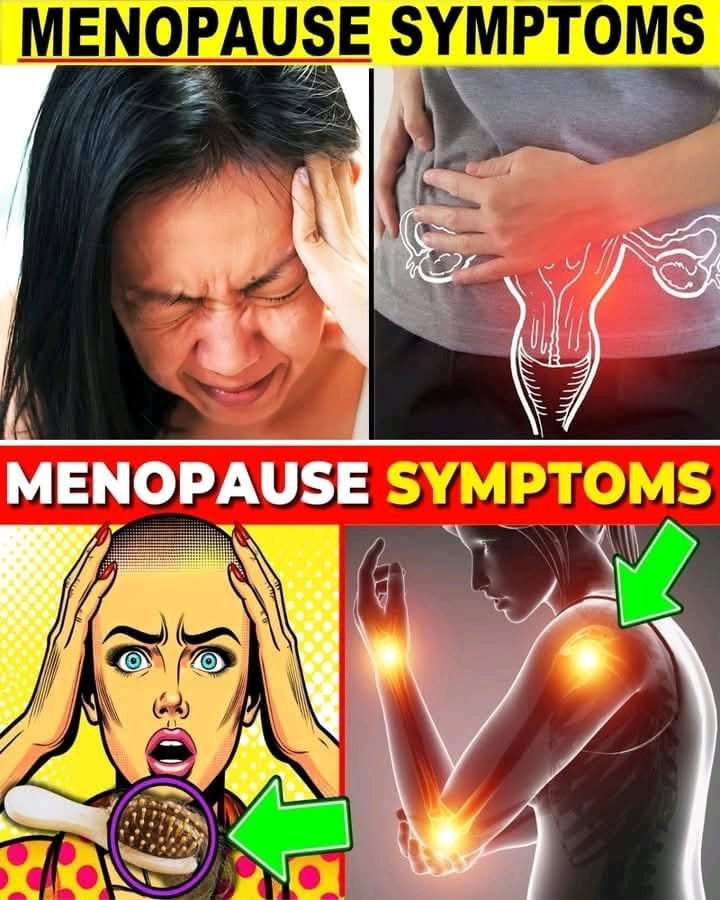
Sensationalist clickbait articles love using words like “actually going through menopause” as if the transition is some kind of hidden mystery. In clinical endocrinology, gynecology, and women’s health, the transition is a well-documented physiological milestone driven by fluctuating and declining ovarian hormone production (primarily estrogen and progesterone).
The 9 Definitive Signs of the Menopausal Transition (Perimenopause to Menopause)
Clinically, a person reaches menopause only when they have gone 12 consecutive months without a natural menstrual cycle. However, the years leading up to it (perimenopause) bring a distinct cluster of physiological alerts:
-
Irregular and Changing Menstrual Cycles
-
The Sign: Periods that become shorter, longer, heavier, lighter, or skip months entirely.
-
Why: Fluctuating estrogen and progesterone levels disrupt the predictable signaling required for ovulation and regular uterine lining shedding.
-
-
Vasomotor Symptoms (Hot Flashes and Night Sweats)
-
The Sign: Sudden waves of intense heat—typically starting in the face, neck, and chest—often accompanied by sweating, flushing, and a subsequent chill.
-
Why: Declining estrogen directly impacts the hypothalamus, the brain’s internal thermostat, causing it to misinterpret minor body temperature fluctuations as severe overheating.
-
-
Sleep Disruptions and Insomnia
-
The Sign: Difficulty falling asleep, frequent nighttime awakenings (often triggered by night sweats), or waking up feeling unrefreshed.
-
Why: Hormonal shifts disrupt natural circadian rhythms, while nocturnal temperature spikes fracture sleep architecture.
-
-
Mood Shifts, Irritability, and Anxiety
-
The Sign: Uncharacteristic mood swings, heightened irritability, or sudden bouts of anxiety and brain fog.
-
Why: Estrogen receptors are densely populated in brain regions regulating mood and neurotransmitters (like serotonin), making the nervous system sensitive to hormonal withdrawal.
-
-
Vaginal Dryness and Discomfort
-
The Sign: Localized dryness, itching, irritation, or discomfort during intercourse.
-
Why: Lower estrogen levels reduce blood flow, tissue elasticity, and natural lubrication in vaginal and vulvar tissues (often referred to clinically as the genitourinary syndrome of menopause).
-
-
Cognitive Changes (“Brain Fog”)
-
The Sign: Momentary word-finding difficulty, forgetfulness, or a temporary dip in executive focus.
-
Why: Fluctuating neurosteroids temporarily alter neural efficiency, though these changes typically stabilize post-menopause.
-
-
Metabolic Shifts and Weight Distribution Changes
-
The Sign: Gradual weight gain, particularly an increase in abdominal visceral fat, alongside a slowing basal metabolic rate.
-
Why: Hormonal shifts combined with natural age-related muscle mass loss alter how the body stores fat and utilizes energy.
-
-
Fatigue and Decreased Energy Levels
-
The Sign: A pervasive, persistent sense of physical tiredness that goes beyond standard busyness.
-
Why: Often secondary to chronic sleep disruption from night sweats, combined with the metabolic toll of shifting endocrine signaling.
-
-
Changes in Hair, Skin, and Nails
-
The Sign: Skin thinning, decreased firmness, dry hair, or changes in nail strength.
-
Why: Estrogen plays a direct role in stimulating collagen production and maintaining skin hydration; as levels drop, skin thickness and elasticity gradually decline.
-
Understanding the Transition
While these signs are a normal part of aging, severe symptoms do not simply have to be “endured.” Modern medical options—ranging from lifestyle strategies and non-hormonal therapies to menopausal hormone therapy (MHT)—offer safe, effective relief tailored by gynecologists and primary care physicians to individual health profiles.
Are you looking at how to manage specific transition symptoms, or exploring general women’s health diagnostics?
