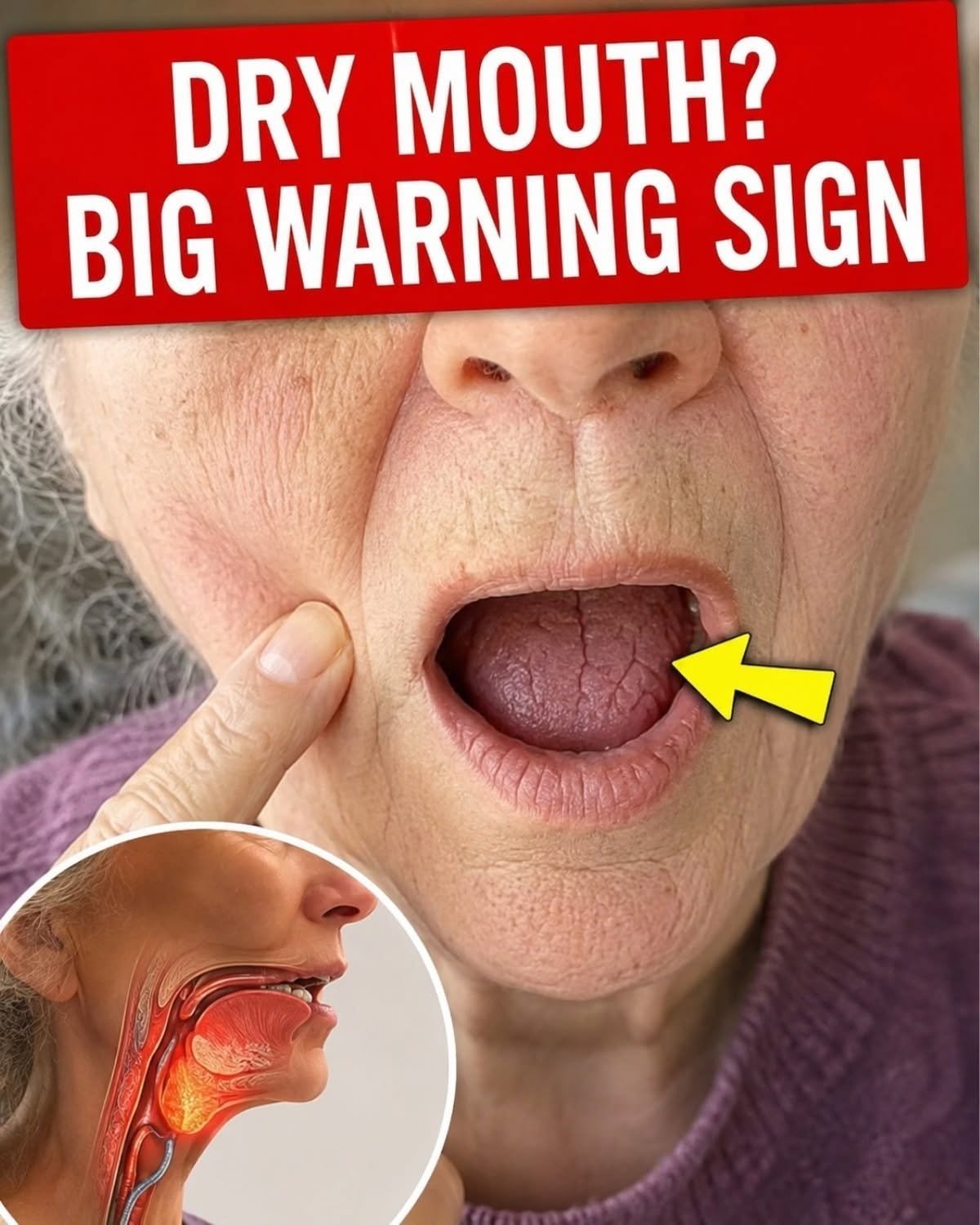
It is easy to brush off a dry mouth as just another minor annoyance of getting older, but clinically speaking, persistent dry mouth (xerostomia) is not a normal part of aging. When your mouth feels like sandpaper, it means your salivary glands have significantly slowed down or temporarily shut off their fluid production.
Saliva is far more than just moisture—it is a protective fluid that washes away food particles, neutralizes harmful acids, remineralizes tooth enamel, and fights off oral bacteria. When salivary flow drops, teeth become exceptionally vulnerable to rapid decay, gum disease, and painful oral fungal infections (like thrush).
What Actually Causes Saliva to Shut Down?
While aging itself doesn’t turn off your salivary glands, the things that frequently accompany aging—most notably medications and underlying health conditions—definitely do.
-
Common Medications (The Leading Culprit): Over 500 different prescription and over-the-counter drugs cause dry mouth as a side effect. The most frequent offenders include:
-
Blood pressure medications (like diuretics and beta-blockers)
-
Antihistamines and decongestants
-
Antidepressants and anti-anxiety medications
-
Bladder control medications (for overactive bladder)
-
-
Systemic Health Conditions:
-
Sjögren’s Syndrome: An autoimmune disorder where the body’s immune system attacks its own moisture-producing glands, including the salivary and tear glands.
-
Diabetes: Uncontrolled blood sugar levels can lead to dehydration and reduced saliva flow.
-
Neurological Factors: Nerve damage, stroke, or conditions like Parkinson’s disease can impair the neural signals that tell your salivary glands to produce fluid.
-
-
Lifestyle Factors: Mouth breathing (often caused by nasal congestion or sleep apnea) physically evaporates the saliva lining your oral cavity overnight, leaving you with severe morning dryness.
Practical Ways to Protect Your Mouth and Stimulate Saliva
If you are dealing with dry mouth, ignoring it can quickly lead to dental trouble. You can protect your oral health and encourage moisture with these strategies:
-
Trigger Saliva Naturally: Chew sugar-free gum containing xylitol or suck on sugar-free hard candies (especially citrus or mint flavors). The physical motion of chewing and the taste stimulus trick your salivary glands into working harder.
-
Use Saliva Substitutes: Over-the-counter artificial saliva sprays, gels, or rinses (containing carboxymethylcellulose or hyaluronan) coat the mouth and provide long-lasting moisture, especially right before bed.
-
Stay Meticulously Hydrated: Keep a water bottle with you at all times and take frequent small sips throughout the day. Water thins remaining oral secretions and prevents tissue sticking.
-
Skip the Irritants: Avoid alcohol, caffeine, and tobacco, all of which heavily dry out oral mucous membranes.
-
Humidify Your Bedroom: Running a cool-mist humidifier at night prevents your mouth from drying out completely if you tend to breathe through your mouth while sleeping.
When to Consult a Physician or Dentist:If your dry mouth is constant, makes it difficult to swallow or speak, wakes you up repeatedly at night to drink water, or is accompanied by burning sensations on your tongue, talk to your doctor or dentist. They can review your current medication list to see if a substitute drug is available or screen you for underlying conditions like Sjögren’s.Are you noticing dry mouth mostly at night, or is it a constant daytime sensation?
