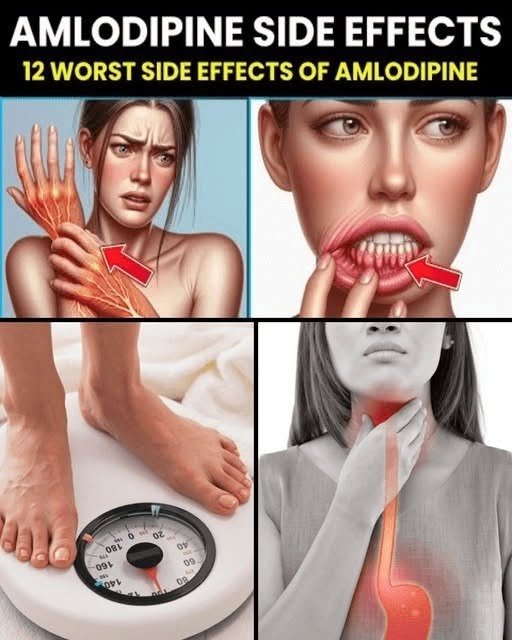
When health articles run lists warning of the “worst side effects” of common medications, it often causes immediate alarm. Amlodipine (frequently sold under the brand name Norvasc) is one of the most widely prescribed calcium channel blockers in the world. It is a cornerstone medication used daily by millions of older adults to lower high blood pressure and prevent chest pain (angina).
While amlodipine is generally well-tolerated and highly effective, it does have a distinct physiological profile. Understanding its common side effects versus rare, serious warning signs helps you communicate effectively with your doctor and keep your cardiovascular treatment safe.
Understanding How Amlodipine Works
Amlodipine belongs to a class of medications called calcium channel blockers. It works by relaxing the smooth muscles in the walls of your blood vessels, causing them to widen (dilate). This drop in vascular resistance makes it much easier for your heart to pump blood, effectively lowering your blood pressure.
However, widening those blood vessels is precisely what triggers its most characteristic side effects.
Common Side Effects (Usually Mild and Expected)
-
Peripheral Edema (Swelling in the Ankles and Feet):
-
Why It Happens: Because amlodipine relaxes and widens the small arteries (pre-capillary sphincters) more than the veins, fluid can be pushed out of the blood vessels and into surrounding tissues, particularly in the lower legs due to gravity.
-
What to Do: This is a localized fluid shift, not true heart failure. However, never try to treat it by taking a diuretic (water pill) on your own; always consult your physician if the swelling becomes uncomfortable.
-
-
Flushing and Warmth in the Face or Neck:
-
Why It Happens: The rapid dilation of blood vessels near the surface of the skin often creates a sudden feeling of warmth or a visible red flush.
-
-
Dizziness or Lightheadedness:
-
Why It Happens: As your blood pressure drops to healthier levels, your body takes a moment to adjust—especially when standing up quickly from a seated position (orthostatic hypotension).
-
-
Fatigue or Drowsiness:
-
Why It Happens: Lowering systemic blood pressure forces your cardiovascular system into a new baseline, which can sometimes manifest as mild tiredness during the first few weeks of starting or adjusting the dose.
-
Serious Warning Signs You Should NEVER Ignore
While less common, certain reactions require prompt medical evaluation:
-
Worsening Chest Pain (Angina) or Heart Attack Symptoms:
-
The Risk: Paradoxically, in rare cases when a dose is first started or increased, the sudden drop in blood pressure can trigger a reflex increase in heart rate or worsen angina. Seek emergency care immediately if you experience crushing chest pain, shortness of breath, or pain radiating to your arm or jaw.
-
-
Severe Low Blood Pressure (Hypotension):
-
The Risk: Dizziness that causes fainting (syncope) or extreme, debilitating lightheadedness means your blood pressure may have dropped too low.
-
-
Irregular Heartbeats (Palpitations or Arrhythmias):
-
The Risk: Feeling your heart race, pound, or skip beats strongly indicates that your dosage or medication choice needs a physician’s review.
-
-
Severe Drowsiness, Confusion, or Weakness:
-
The Risk: Excessive lethargy that impacts your ability to stay awake or function safely throughout the day.
-
-
Allergic Reactions (Severe Skin Rashes or Hives):
-
The Risk: Any sudden skin rash, blistering, or swelling of the face, lips, or tongue requires urgent medical attention.
-
-
Liver Enzyme Elevations or Jaundice:
-
The Risk: Though rare, calcium channel blockers can occasionally impact liver function, signaled by yellowing of the skin or eyes (jaundice) or dark, tea-colored urine.
-
-
Gingival Hyperplasia (Gum Swelling):
-
The Risk: Long-term use of calcium channel blockers can sometimes cause overgrowth or tenderness of the gum tissue, requiring attentive dental hygiene and a doctor’s consultation.
-
-
Persistent Shortness of Breath:
-
The Risk: While amlodipine helps many heart conditions, if fluid retention begins to strain pulmonary circulation, it can cause unusual breathlessness when lying flat.
-
The Golden Rule of Blood Pressure Medications
-
Never Stop Amlodipine Cold Turkey: If you experience bothersome side effects like ankle swelling or dizziness, never stop taking your amlodipine abruptly. Doing so can trigger a dangerous rebound spike in blood pressure, significantly elevating your risk of stroke or heart attack.
-
Collaborate with Your Doctor: Always report persistent side effects to your physician or cardiologist. Often, a simple dose adjustment or pairing the medication strategically can resolve side effects while keeping your blood pressure safely controlled.
Are you or a loved one currently taking amlodipine, or managing blood pressure adjustments with your doctor?
