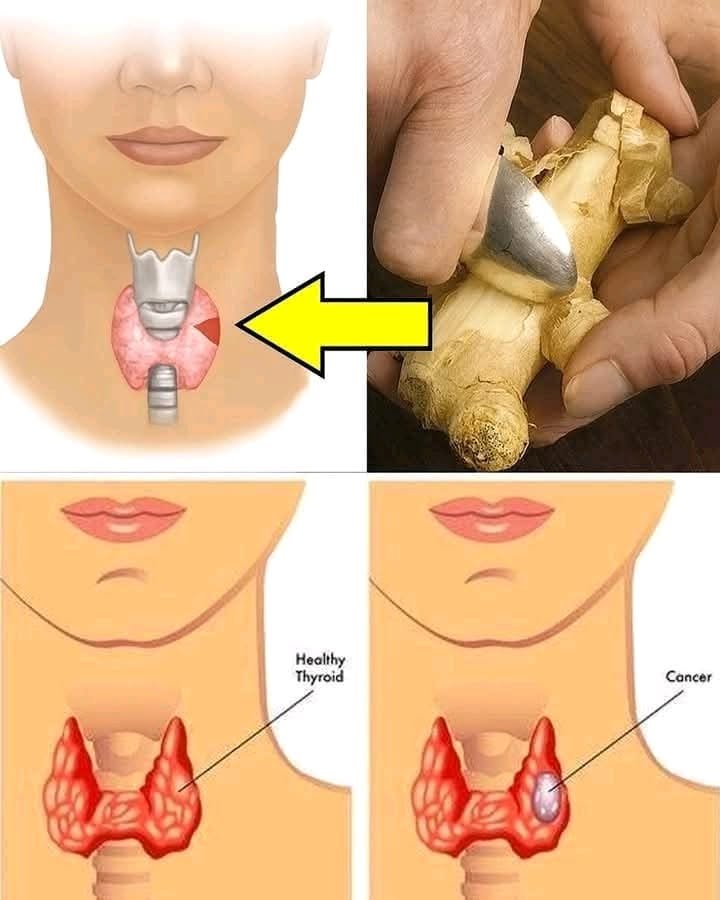
When sensationalized wellness lists warn about “19 foods to avoid with thyroid problems,” they often create unnecessary fear by demonizing nutrient-dense whole foods like broccoli, spinach, and soy.
Endocrinologists and clinical dieticians emphasize that while certain compounds can interact with thyroid function under specific conditions, a blanket ban on dozens of healthy foods is rarely necessary or evidence-based.
The Reality Behind “Thyroid-Blocking” Foods
Many of these lists focus on goitrogens—substances that can interfere with the thyroid’s ability to utilize iodine if consumed in extreme, raw quantities. However, clinical context makes a major difference:
-
Cooking Neutralizes Goitrogens: Steaming, roasting, or boiling cruciferous vegetables (like broccoli, cabbage, kale, and cauliflower) deactivates most goitrogenic compounds, making them entirely safe and beneficial to enjoy in normal portions.
-
Iodine Status Matters: Goitrogens typically only pose a problem if a person already has a severe iodine deficiency. In areas with iodized salt and balanced nutrition, normal dietary intake of these vegetables does not harm thyroid function.
-
Soy and Thyroid Medication: Unfermented soy products (like tofu or soy milk) do not cause thyroid disease in healthy individuals, but they can interfere with the absorption of synthetic thyroid hormone replacement (levothyroxine) if consumed at the same time as your medication. Doctors simply advise spacing them apart by a few hours.
Key Dietary Priorities for Thyroid Support
Rather than eliminating 19 different foods, clinicians recommend focusing on balanced, strategic nutrition:
-
Supportive Micronutrients: Ensure adequate intake of selenium (found in Brazil nuts, fish, and eggs) and zinc, which are essential for converting thyroid hormones into their active forms.
-
Limit Ultra-Processed Foods and Excess Sugar: Chronic inflammation and high sugar intake can exacerbate autoimmune thyroid conditions (like Hashimoto’s or Graves’ disease).
-
Timing Your Medications: If you take thyroid hormone replacement, take it on an empty stomach with water, and wait at least 30 to 60 minutes before eating, drinking coffee, or taking calcium and iron supplements.
Are you managing a thyroid condition or looking into specific nutritional guidelines with your healthcare provider?
