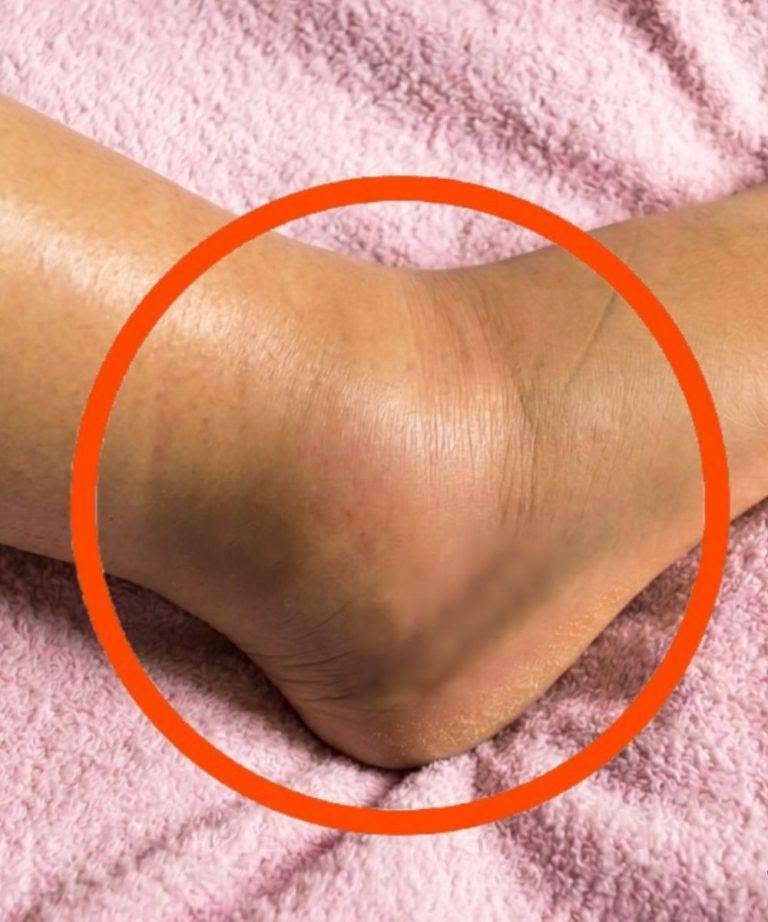
When sensationalized clickbait titles tease that noticing swollen legs is a sign of cancer, they are leaning into a scare tactic that plays on worst-case scenarios.
From a clinical and medical standpoint, while persistent leg swelling (known medically as edema) can occasionally be associated with serious conditions, it is vastly more often a sign of common, manageable physiological issues rather than cancer.
The Real Reasons Legs Swell
Edema occurs when fluid builds up in your tissues, usually in the lower legs, ankles, and feet due to gravity and circulation dynamics. The most frequent clinical causes include:
-
Chronic Venous Insufficiency: As we age, the tiny one-way valves inside our leg veins can weaken, making it harder for blood to pump back up to the heart. This causes fluid to seep into the surrounding tissues, especially after long periods of standing or sitting.
-
Medication Side Effects: A wide range of common prescription medications—particularly calcium channel blockers used for high blood pressure, certain diabetes medications, and NSAIDs (like ibuprofen)—list mild lower-extremity swelling as a known side effect.
-
Dietary Sodium and Fluid Retention: Consuming excess sodium causes the body to hold onto extra water, which frequently pools in the lowest parts of the body.
-
Heart, Liver, or Kidney Factors: If the heart’s pumping efficiency is slightly reduced, or if kidney function is sluggish, the body naturally retains more fluid and salt, leading to swelling in both legs.
When to Pay Closer Attention (Red Flags)
While everyday swelling from sitting, warmth, or mild venous sluggishness is common and usually responds well to elevation and movement, certain symptoms require a prompt medical evaluation:
-
One-Sided Swelling: If only one leg swells rapidly, accompanied by pain, warmth, or redness, it could indicate a deep vein thrombosis (DVT)—a blood clot that requires immediate medical attention.
-
Sudden Shortness of Breath or Chest Pain: If swelling is accompanied by respiratory symptoms or sudden weight gain, it may signal that your cardiovascular system is struggling to manage fluid balance.
-
Pitting Edema: If pressing a finger into the swollen skin leaves an indentation that takes time to bounce back, it is worth mentioning to your primary care physician to pinpoint the exact underlying cause.
Practical Ways to Manage Mild Swelling
-
Elevate Your Legs: Prop your feet up above the level of your heart for 15 to 20 minutes two or three times a day.
-
Keep Moving: Perform gentle ankle pumps and take short walks throughout the day to let your calf muscles act as a natural pump.
-
Watch Your Sodium: Keep your daily salt intake moderate to prevent unnecessary fluid retention.
Are you looking into ways to manage lower-leg circulation, or exploring questions about everyday health indicators?
