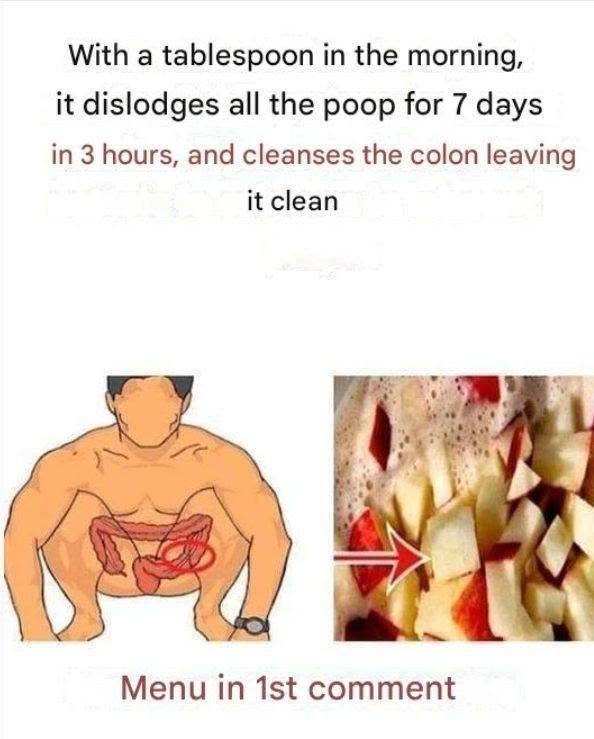
When health nutritionists and clinical dietitians address natural remedies for constipation to facilitate regular stool evacuation, they focus on supporting the digestive tract’s natural motility rather than relying on harsh chemical stimulants.
From a gastroenterological and clinical nutrition perspective, occasional constipation is frequently tied to insufficient dietary fiber, sluggish hydration, or a lack of physical movement—all of which slow down colonic transit time.
3 Evidence-Based, Natural Remedies Recommended by Dietitians
Instead of quick fixes or aggressive laxatives that can disrupt bowel habits over time, dietitians emphasize these three physiological approaches:
1. Dual-Action Fiber (Soluble + Insoluble) with Adequate Water
-
How It Works: Insoluble fiber (found in wheat bran, vegetables, and whole grains) acts like a broom, adding bulk to stool and speeding up transit time. Soluble fiber (found in oats, chia seeds, beans, and apples) absorbs water to form a gel-like consistency, softening the stool so it passes smoothly.
-
The Clinical Caveat: Fiber only works if you increase your water intake simultaneously. Without enough fluid, concentrated fiber can actually worsen constipation.
2. Strategic Hydration and Warm Morning Liquids
-
How It Works: As noted in everyday health maintenance, mild dehydration causes the colon to extract excess water from waste, resulting in hard, dry stools. Drinking warm liquids first thing in the morning—such as warm water with lemon, herbal tea, or broth—gently stimulates the gastrocolic reflex, encouraging natural bowel motility.
-
Proactive Support: Keep a glass of water bedside and aim for steady sips throughout the day rather than trying to catch up all at once.
3. Healthy Fats to Lubricate the Digestive Tract
-
How It Works: Dietary fats stimulate the release of cholecystokinin, a hormone that triggers gallbladder and pancreatic secretions and encourages colonic contractions. Incorporating healthy fats like extra virgin olive oil, avocado, or a spoonful of flaxseed oil helps naturally lubricate the intestinal walls, easing evacuation.
-
Proactive Support: Drizzle a tablespoon of high-quality olive oil over steamed vegetables (like your favorite air-fried or roasted cruciferous veggies) to support smooth digestion.
A Gentle Daily Routine for Bowel Regularity
-
Move Daily: Gentle physical activity—such as a 20-minute brisk walk after meals—mechanically stimulates peristalsis (the wave-like muscle contractions of the digestive tract).
-
Honor the Routine: Give yourself unhurried time after breakfast to allow the body’s natural gastrocolic reflex to work without rushing.
Are you looking for more dietary tips to support digestive wellness, or exploring specific nutritional routines for healthy aging?
