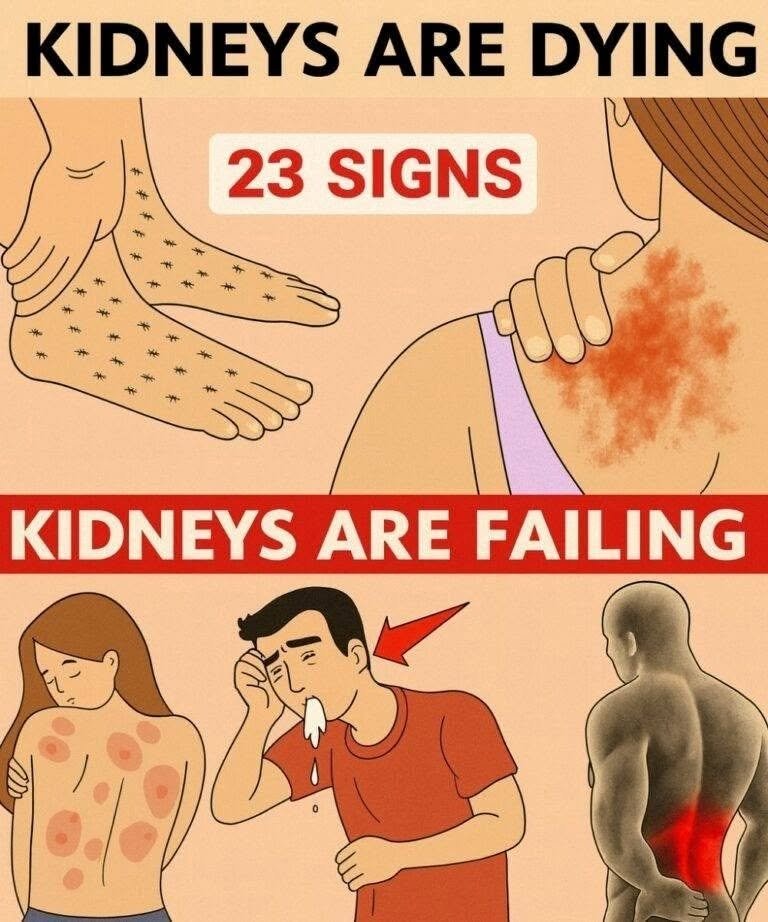
When sensationalized health articles flash alarming headlines like “23 Strange Signs Your Kidneys Might Be in Trouble,” they love to list vague, everyday annoyances—like dry skin, mild fatigue, or puffy eyes—and link them to terrifying worst-case scenarios to grab your clicks.
From a clinical nephrology and gerontological perspective, it helps to separate internet hyperbole from actual medical reality. Your kidneys are powerhouse filtration units, and when they experience genuine distress, they tend to signal it through specific, measurable physiological changes rather than mysterious quirks.
The Real Signs Your Kidneys Need Attention
Instead of an endless checklist of 23 unrelated symptoms, medical professionals focus on a few key indicators that reflect how well your kidneys are filtering waste, balancing electrolytes, and managing fluid levels:
-
Changes in Urination Patterns: This is often the most direct clue. It can include waking up multiple times in the night to urinate (nocturia), noticing foamy or bubbly urine (which can indicate protein leakage), or observing changes in urine color and output.
-
Persistent Edema (Fluid Retention): Because the kidneys regulate sodium and fluid balance, a drop in efficiency can cause excess fluid to accumulate. This typically manifests as puffiness around the eyes in the morning or noticeable swelling (edema) in the feet, ankles, and lower legs.
-
Unexplained Fatigue and Brain Fog: Healthy kidneys produce a hormone called erythropoietin (EPO), which tells your bone marrow to make red blood cells. When kidney function dips, red blood cell production can decline, leading to mild anemia, low oxygen circulation, and persistent physical tiredness.
-
Persistent Itchiness or Dry Skin: When kidneys struggle to maintain the right balance of minerals and nutrients in your blood (such as phosphorus and calcium), mineral buildup can lead to deep, uncomfortable skin dryness and itching.
-
Electrolyte Imbalances (Muscle Cramps): Impaired kidney function can disrupt sodium, potassium, and magnesium levels, frequently showing up as sudden, painful muscle cramps in the legs and calves.
Proactive Steps to Support Long-Term Kidney Health
Because early-stage kidney changes often present very few symptoms, routine preventive care is your best defense:
-
Keep Blood Pressure in Check: High blood pressure is the second leading cause of kidney strain over time. Regular monitoring and heart-healthy habits protect delicate renal blood vessels.
-
Manage Blood Sugar: For individuals managing metabolic health, keeping glucose levels stable prevents microvascular damage to the kidney’s filtering units (nephrons).
-
Stay Adequately Hydrated: Drinking steady amounts of water throughout the day helps your kidneys efficiently flush out metabolic waste without overworking them.
-
Use Over-the-Counter Medications Mindfully: Frequent, long-term use of high-dose NSAIDs (like ibuprofen or naproxen) can reduce blood flow to the kidneys. Always consult your physician regarding safe pain management.
Are you looking into routine wellness checkups, or exploring ways to support long-term cardiovascular and renal health?
