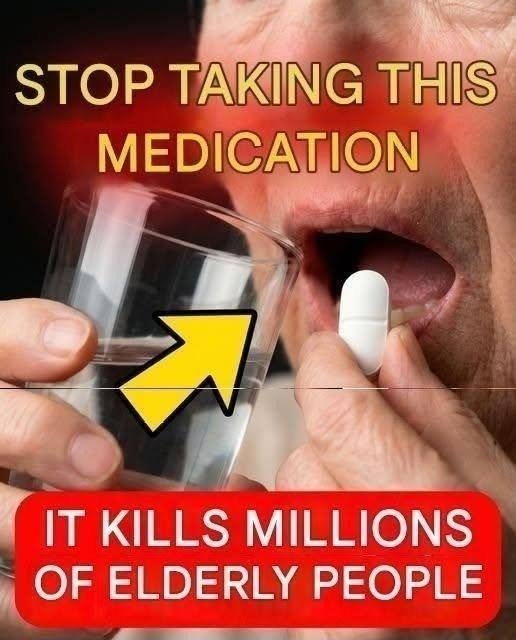
When sensationalized medical headlines warn that “a cardiologist warns: these 5 medications increase the risk of heart attack and stroke in older people,” they are leveraging legitimate geriatric clinical concerns—such as polypharmacy and adverse drug reactions—and transforming them into alarming, clickbait scare tactics designed to erode trust in medical treatment.
From a clinical cardiology and geriatric pharmacology perspective, aging naturally alters how the human body metabolizes, distributes, and clears medications. While certain drug classes do require heightened vigilance, lower dosages, or regular review in older adults, painting them with a broad brush as “heart attack triggers” ignores the millions of patients who rely on them safely under physician supervision to manage severe, life-threatening chronic conditions.
The Clinical Reality Behind Medication Safety in Later Life
-
Age-Related Pharmacokinetics: As we age, our kidneys and liver naturally slow down their filtration and metabolic clearance rates. A dose of a medication that was entirely well-tolerated at age 45 may linger longer in the bloodstream at age 75, amplifying its physiological impact.
-
The Danger of Blanket Warnings: Clickbait articles often target common classes—such as certain NSAID pain relievers, specific blood pressure regimens, or acid-suppressing drugs—without ever discussing individual patient history, dosage parameters, or underlying diagnoses.
-
The Risk of Abruptly Stopping Treatment: Stopping a prescribed medication out of fear without consulting a healthcare provider can trigger severe, immediate medical crises, such as uncontrolled hypertension, acute cardiovascular events, or unmanaged pain.
Evidence-Based Steps for Safe Medication Management
Geriatricians and clinical pharmacists recommend proactive, empowering strategies to ensure your medication regimen remains safe, streamlined, and protective:
-
Conduct an Annual “Brown Bag” Review: Gather every prescription bottle, over-the-counter medicine, and vitamin you take and bring them to your primary care physician or clinical pharmacist once a year. A comprehensive review checks for potential drug interactions or redundant prescriptions.
-
Ask Empowering Clinical Questions: Whenever a new medication is introduced, ask your doctor: What is the specific therapeutic goal of this drug? Are there non-drug lifestyle alternatives we can pair it with? How and when will we monitor its effectiveness?
-
Never Alter Regimens Alone: If a sensational article or online forum makes you question a medication you are currently taking, schedule a conversation with your healthcare provider. They can evaluate your personal risk-benefit ratio and make safe, gradual adjustments if necessary.
-
Prioritize Lifestyle Foundations: Whenever possible, lean into non-pharmacological pillars—such as anti-inflammatory nutrition, daily mobility, and hydration—to support your body’s natural resilience.
Are you looking into strategies for managing medication reviews, or exploring ways to support cardiovascular health and vitality as you age?
