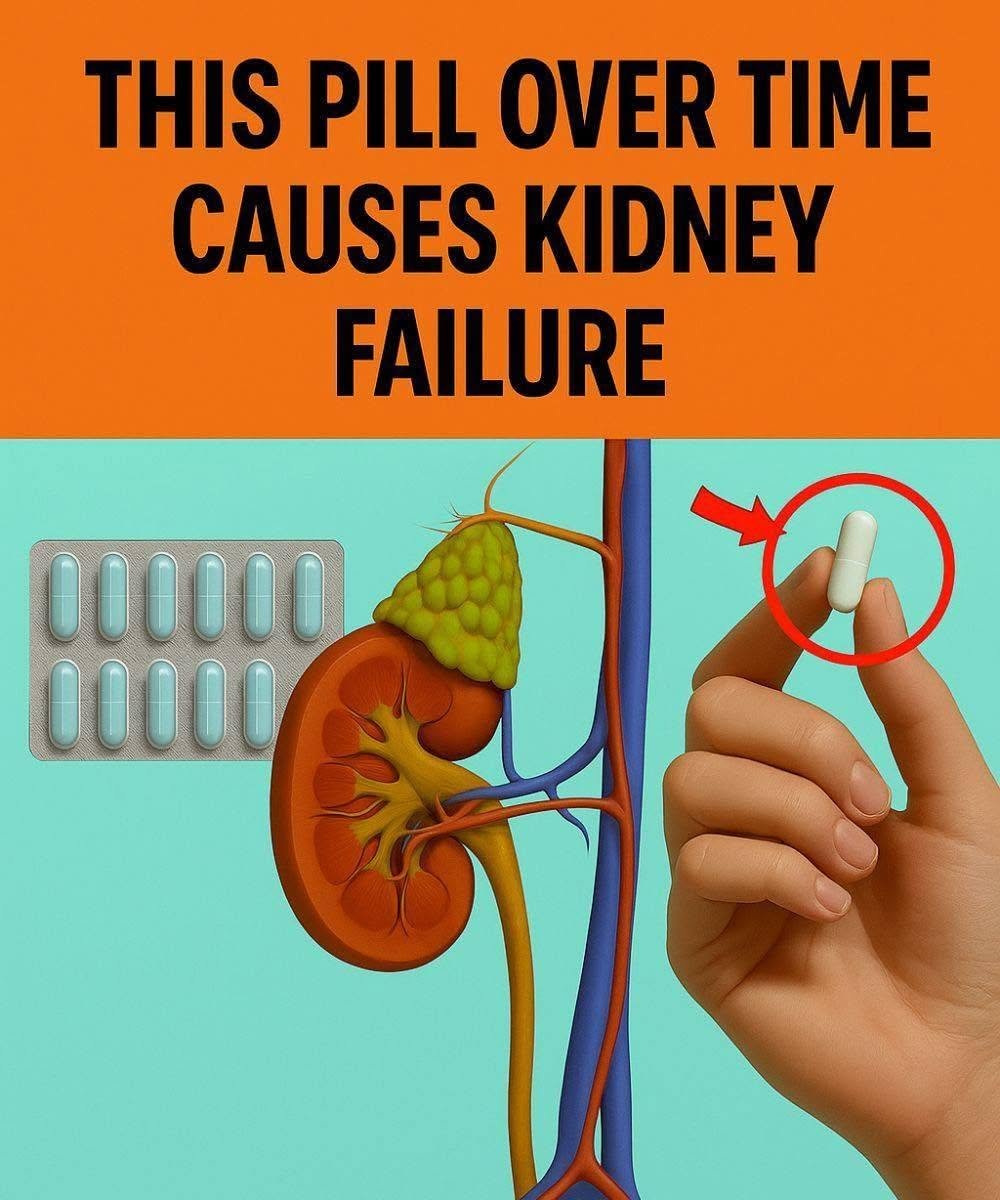
When sensationalized health clickbait flashes a dramatic warning that “Taking this could be affecting your kidneys, consult your doctor!”—deliberately omitting what “this” refers to—they are exploiting a universal vulnerability. Whether they are casting suspicion on everyday over-the-counter pain relievers, common blood pressure medications, or completely harmless daily vitamins, these vague, fear-inducing hooks are engineered to make you anxious enough to click.
From a clinical nephrology and pharmacology perspective, your kidneys are vital filtration organs that process everything from medications and supplements to dietary minerals. While certain substances can indeed place stress on renal function, responsible medicine relies on specific context, proper dosing, and lab monitoring—not blanket internet intimidation.
The Reality Behind Medication, Supplements, and Kidney Health
Why do certain substances affect kidney function, and how do clinicians monitor renal health?
-
Filtration and Excretion: Everything that enters your bloodstream eventually passes through the kidneys’ millions of tiny filtering units (nephrons). Certain substances, if taken in excess or combined with dehydration, can temporarily reduce blood flow to the kidneys or cause direct cellular stress.
-
Common Culprits to Monitor:
-
NSAIDs (Nonsteroidal Anti-inflammatory Drugs): Over-the-counter pain relievers like ibuprofen or naproxen, when taken frequently or in high doses—especially while dehydrated—can reduce renal blood flow.
-
Certain Blood Pressure Drugs: Medications like ACE inhibitors or ARBs are vital for protecting kidney function over the long term, but they can cause a minor, expected shift in initial lab markers when first started.
-
High-Dose Supplements: Megadoses of certain vitamins or unregulated herbal products can accumulate or strain metabolic pathways.
-
-
The Importance of Lab Work: Kidney health isn’t guessed at; it is objectively measured through routine blood tests (like serum creatinine and eGFR) and urine tests that check for protein leakage.
Evidence-Based Ways to Protect Your Kidney Health
If you have questions about how a medication or supplement affects your kidneys, clinical guidelines emphasize proactive, informed care:
-
Stay Properly Hydrated: Adequate water intake ensures your kidneys have the fluid volume they need to efficiently filter waste products and maintain electrolyte balance.
-
Use Pain Relievers Mindfully: If you rely on OTC pain relievers for chronic aches, consult your physician or pharmacist for safer, long-term management strategies rather than daily use.
-
Never Stop Prescribed Meds Out of Fear: If an internet article makes you question a medication prescribed by your doctor, do not stop taking it. Instead, call your physician or pharmacist to discuss your specific concerns.
-
Schedule Regular Checkups: Routine annual blood work provides a clear, reliable picture of your kidney function over time, allowing your healthcare team to catch and manage any shifts early.
