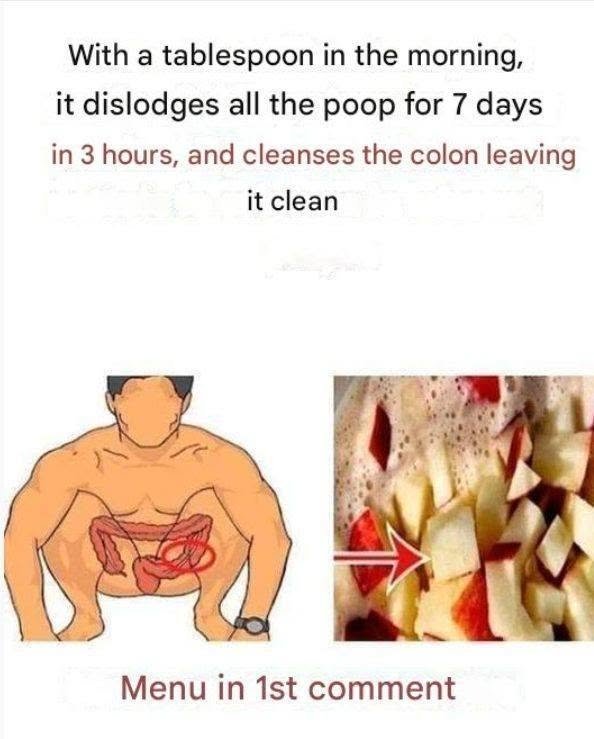
When sensationalized health clickbait promises “Constipation: Here are 3 natural remedies that facilitate the evacuation of stools according to a dietician,” they are wrapping standard, evidence-based dietary advice in tabloid mystery clickbait. Instead of giving you the tips upfront, they force you through a maze of pop-up ads and click-through pages just to find out they are talking about water, fiber, and movement.
From a clinical gastroenterology and geriatric perspective, maintaining smooth bowel regularity doesn’t require secret elixirs or expensive specialty powders. It relies on the fundamental physiological interplay between hydration, viscous dietary fiber, and physical motility.
The Physiological Reality of Natural Regularity
Why do dieticians and gastroenterologists consistently return to the basics when managing occasional constipation?
-
Hydration and Stool Consistency: Water is the primary softening agent in your digestive tract. Soluble fiber absorbs water to form a gel-like matrix that creates bulky, easy-to-pass stools, while insufficient hydration leaves waste dry and difficult to move through the colon.
-
The Role of Movement: Physical activity stimulates peristalsis—the wave-like muscular contractions that propel food and waste through your gastrointestinal tract. A sedentary lifestyle directly contributes to sluggish bowel motility.
-
The Danger of Harsh Quick Fixes: Relying heavily on stimulant laxatives or aggressive herbal cleanses can cause your bowel to lose its natural muscle tone over time, creating a cycle of dependency.
3 Evidence-Based, Dietician-Backed Ways to Support Regularity
Instead of hunting through clickbait articles, here are the three core, science-backed strategies clinicians recommend to facilitate comfortable bowel movements:
-
1. Strategic Fiber Pairing (Soluble + Insoluble):
-
What it does: Insoluble fiber (found in wheat bran, whole grains, and vegetable skins) adds bulk and speeds up transit time, while soluble fiber (found in oats, chia seeds, beans, and apples) draws in water to soften the stool.
-
How to apply: Gradually increase your intake of whole foods, and always increase your water intake alongside fiber to prevent cramping or worsening gas.
-
-
2. Optimal Morning Hydration:
-
What it does: Drinking a large glass of water first thing in the morning rehydrates your system after sleep and helps trigger the gastrocolic reflex—a natural physiological wave of colon activity stimulated when the stomach fills.
-
-
3. Mechanical Stimulation via Gentle Movement:
-
What it does: A brisk 15-to-20-minute walk after meals mechanically massages the abdominal cavity and stimulates intestinal motility.
-
Bonus tip: Using a small footstool (like a squatting stool) while on the toilet changes the anatomical angle of your pelvic floor, making evacuation physically easier with less straining.
-
